




How to troubleshoot 58cc chainsaw startup issues?
Troubleshooting startup issues in a 58cc Gasoline Chain Saw requires systematic diagnosis of fuel delivery, ignition integrity, and mechanical functionality. Typical culprits are stale fuel mixes, fouling spark plugs, blocked air filters, and carburettor misadjustments. When your professional-grade chainsaw won't start, the effects on operations are more than just inconvenient; they impede production, delay projects and drive up maintenance expenses. Knowing how to diagnose and troubleshoot these problems ensures consistent performance from your equipment, which is especially important for purchasing managers, distributors and OEM customers who rely on dependable tools to ensure supply chain efficiency and operational continuity in forestry, landscaping and agricultural applications.
Analyzing the Root Causes Behind Startup Failures
To do a good analysis, you must first understand how the systems that make an engine spark work together. Each part has a specific job to do, and when something goes wrong in one area, it often has effects all the way through the starting process.
Fuel System Complications
The quality of gasoline has a direct impact on the working of the engine. Water, grit or other particles in the fuel will clog the carburettor jets and prevent the appropriate atomisation of the fuel. Improper fuel-to-oil mixes might generate extra difficulties. For example, new 58cc Gasoline Chain Saws with stricter tolerances require 40:1 utilising good quality synthetic two-stroke oil, while previous engines operated on 25:1 mixes. If you don't get the ratios right you'll have carbon build up on the spark arrestors and piston caps, making compression and sparking less dependable.
Another frequent concern is gasoline that has gone bad. Petrol turns into varnish after 30 days and will block fuel lines and carburettor tubes. The weighted fuel filter within the tank must be free to move so that it may take up gasoline evenly in all cutting positions. But silt accumulates and makes it hard to move, which means the machine operates without adequate fuel.
Engine and Carburetor Performance Issues
Adjusting the carburetor has a direct effect on how the engine starts. At different throttle settings, the low-speed (L) and high-speed (H) mixing gears change the amount of air and fuel in the engine. If the settings aren't right, the engine can run lean, which stops it from starting cold, or rich, which fills the cylinder with too much fuel. When cutting horizontally, the engine doesn't get the fuel it needs because of blockages in the carburetor body, especially in the fuel pickup tube.
Compression loss shows that the engine's parts are wearing out. When they are cold, professional-grade units should keep their compression above 110 PSI. Lower numbers mean that the piston rings are worn, the cylinders are scored, or the seals are damaged. All of these things keep the engine from building up enough pressure for ignition.
Ignition System Faults
Spark plug state has a huge effect on how reliably a car will start. Plugs that are dirty and covered in carbon or oil waste can't make the strong spark that is needed for burning. When electrodes get worn, they make the gap bigger than it should be, which lowers the spark strength. Ignition coils break down over time because of vibration and heat stress, leaving sparks that come and go or none at all.
Mechanical Factors Affecting Startup
Keeping the air-fuel mix right means keeping the air filter clean. When filters get clogged, they stop air from flowing, making mixtures that are too rich and flooding the engine, making it impossible to start. If, on the other hand, filters are missing or broken, air that hasn't been filtered can get into the carburetor and cause lean conditions that could damage the engine.
The pull starter feature makes sure that the turning speed is right. When the starter pawls are worn out, they can't engage the flywheel, so the operator can't turn the engine fast enough to make compression. Using the chain brake while trying to start the engine can also stop it from turning over properly.

Proven Troubleshooting Steps for Effective Startup Resolution
Systematic diagnosis gets rid of guesswork and speeds up the process of fixing problems. Following organized processes makes sure that everyone is safe, and each possible failure point is tested in a methodical way.
Safety Protocols and Initial Assessment
Before you start the repair, engage the chain brake and remove the spark plug to prevent the engine from starting accidentally. Wear appropriate protection, such as gloves and safety glasses, to protect yourself. Check for evident damage, loose parts, or fuel leaks before you try to start the chainsaw that need quick care.
Just a short checklist, such as the fuel freshness, location of switches, and choke setting. A lot of "no-start" conditions are caused by minor errors, such as leaving the choke on or not shutting the fuel valve properly.
Cleaning and Maintenance of the Fuel System
Use fresh gasoline mixed in the ratio advised by the manufacturer. This is normally 40:1 for modern industrial versions. Remove old gasoline from the tank and inspect the fuel filter for dirt. If the filter is filthy or has anything in it, you should replace it.
Remove the carburettor and clean it, paying particular attention to the needle valve, fuel passageways, and diaphragms. Use carburettor cleanser and compressed air to clean out all the jets and passages in the carburettor. Check the gasoline lines for fractures or thinning and repair any broken lines. Be sure the fuel cap vent is functioning properly to prevent a suction lock, which prevents fuel from reaching the engine.
Ignition Component Testing & Replacement
Remove the spark plug and observe it to see what it is doing. The wire should be a couple of thicknesses and appear light brown or grey. Change plugs if they develop heavy carbon build-up, oil fouling, or electrode wear. The instructions say to gap the new plugs to a specified amount. This, for most gasoline chainsaws, is 0.025 inches.
You can see how good the spark is by putting the plug against the cylinder and drawing the spark line. If you have a good spark, then your ignition system is in good shape. Broken coil, faint yellow spark, or no spark. If the spark is not being created enough to start, then replace the ignition coil.
Check Pull Starter and Air Filter Service
Check the air filter visually and clean or replace it. Foam filters may be washed in warm soapy water, thoroughly dried, and gently oiled before refitting. Dirty paper filters should be replaced as required by visual inspection or the manufacturer's recommended service intervals.
Check the pull starter mechanism for damaged springs, worn pawls, or a starter rope that isn't operating properly. Make sure that the pawls are making good contact with the flywheel when the rope is pushed. Replace any old parts to ensure the cranking speed is correct when you attempt to start the engine.
Final Engine Adjustments
Once the fuel, ignition, and air systems have been checked, set the choke and throttle so that the engine will start. For cold starts, you usually need a full choke, but for warm starts, you don't. Turn the throttle to the starting position, which is usually just a little open instead of all the way closed.
Once the engine starts and runs for a short time, slowly lower the choke while keeping the throttle in place until the engine runs smoothly. Give the saw enough time to warm up before putting weight on it. Fine-tune the carburetor changes if the engine hesitates, makes a lot of smoke, or moves slowly.
Case Studies: Real-World Troubleshooting Success Stories
There are real-life examples that show how systematic troubleshooting fixes starting issues in the workplace, leading to measured changes in the reliability of tools and the speed of operations.
Case Study 1: Fleet Restoration Through Fuel System Remediation
A landscaping company in the area had problems starting all of their 15 professional chainsaws, including some that were powered by gasoline. An investigation found that water and silt got into the fuel system from a damaged bulk holding tank, which tainted the fuel. As a fix, all fuel tanks had to be drained, fuel filters had to be replaced, and each carburetor had to be completely cleaned. Putting in place a strategy for rotating fuel and water-separating screens in the bulk storage system stopped it from happening again. Within a week, startup reliability went from 60% to 98%, which cut down on weekly downtime by about 12 hours and saved over $800 in lost work.
Case Study 2: Ignition System Diagnosis in Forestry Operations
A timber company said that their 58cc Gasoline Chain Saws, which were used for bucking work, would sometimes not start up. Technicians first thought the problems were with the carburetor because the symptoms were not consistent. However, thorough testing showed that the ignition coils were failing and producing weak sparks when the car was under load. After replacing the ignition coils and spark plugs on the damaged units, they were able to start reliably and keep the chain speed steady when they were under load. The operation saw a 40% drop in machine breakdowns in the middle of shifts, which directly increased the crew's cutting efficiency by about 15%.
Case Study 3: Preventive Maintenance Protocols Eliminating Startup Delays
After having a lot of problems starting up their chainsaws, the city's tree maintenance department set up structured maintenance schedules. The plan called for changing the fuel every 30 days, cleaning the air filter every five tank fills, replacing the spark plugs every 100 hours of use, and checking the engine every six months. Startup success rates went from 75% to 99.5% after six months, and overall maintenance costs went down by 22% because of fewer emergency repairs. The department was able to finish summer trimming jobs three weeks early because they had more equipment available.
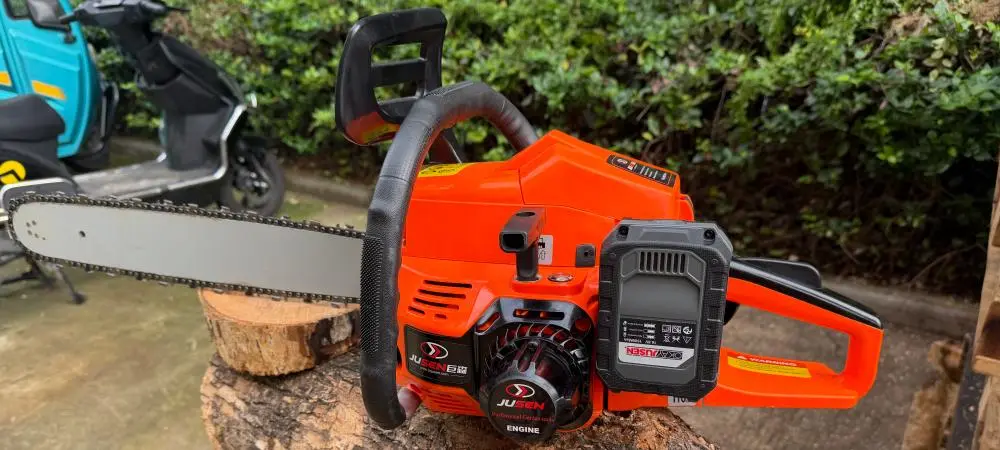
Maintaining Your 58cc Gasoline Chain Saw for Long-Term Reliability
Disciplined repair practices stop problems from starting before they happen, which extends the life of a 58cc farm-use gas chainsaw and protects purchases. Setting up regular service intervals that take into account the way high-displacement gasoline engines wear out is helpful for professionals.
Comprehensive Maintenance Checklist
Maintenance programs that work well take care of multiple systems at the same time. Cleaning the air filters every five fuel tank fill-ups is a normal task that helps keep the right air-to-fuel ratio. Check and clean the spark arrestor screens once a month to keep carbon from building up and blocking the flow of exhaust, which lowers engine power. Before each use, make sure that the chain tension and lubrication system work properly so that the engine doesn't have to work too hard while cutting.
Spark plugs should be changed every 100 hours of use or at the start of each season, whichever comes first. Every three months, check the fuel lines and starter lights for cracks or other damage and replace any parts that are worn out. Every year, clean or rebuild the carburetors to keep the fuel delivery and starting working at their best.
Strategic Parts Sourcing for Procurement Professionals
Equipment reliability is directly affected by how easy it is to get reliable parts. Purchasing managers should build ties with companies that sell original equipment manufacturer (OEM) parts that are designed to work with their technology. Compared to generic alternatives, premium replacement parts last longer. These include Nikasil-coated cylinders, high-quality ignition coils, and precision-manufactured carburetor parts.
When choosing an equipment supplier, warranty coverage and support after the sale are very important things to think about. Manufacturers who offer full one-year guarantees show that they believe in their goods and protect you against parts breaking down too soon. Quick troubleshooting by responsive technical support helps solve complicated issues quickly, reducing downtime when problems happen.
Keeping enough parts on hand for parts that wear out quickly, like spark plugs, air filters, fuel filters, and starter rope, lets you fix things quickly without having to wait for parts to arrive. This investment in stocking pays off by making tools more available and reducing the number of times operations have to be interrupted.
Conclusion
To fix problems with professional gasoline chainsaws that won't start, you need to carefully check the fuel supply, ignition stability, and mechanical systems. Knowing the most common reasons why things break down, like dirty fuel and clogged carburetors, old spark plugs, and loss of compression, helps fix problems quickly and keeps costly downtime to a minimum. Many startup problems can be avoided by following structured maintenance protocols. This protects equipment investments and keeps operations running efficiently, which is important for professional landscaping, forestry, and farming. Working with seasoned makers who offer high-quality gear, original parts, and quick technical support is the best way to make sure long-term dependability and high productivity in tough business settings.
FAQ
What fuel mixture ratio ensures smooth starting in professional chainsaws?
Most modern gasoline chainsaws with advanced engine designs work best when the fuel-to-oil ratio is 40:1 and premium synthetic two-stroke oil is used. This mixture keeps things moving smoothly while reducing the buildup of carbon that can clog spark plugs and exhaust ports. Always check the manufacturer's instructions, as older models or certain engine types might need different ratios. Using fresh fuel that has been mixed within 30 days stops varnish from forming, which can clog fuel systems.
How often should spark plugs be replaced to maintain reliable starting?
Every 100 hours of use, spark plugs should be changed in professional-grade chainsaws that are used in tough circumstances. Commercial users who use the equipment every day may need to replace it every month, while users who only use it occasionally can extend the time between replacements to a seasonal level. Visual inspection helps figure out what needs to be replaced. Plugs with heavy carbon deposits, oil fouling, or electrode wear beyond 0.025 inches need to be replaced right away, no matter how many hours they've been used.
Does chain blade sharpness affect startup performance?
Chain state affects starting reliability indirectly by changing how the engine loads. When chains are dull, operators have to put too much pressure on the blades, which puts more stress on the engine and could cause the unit to stall. Keeping the chains sharp and adjusting the depth gauge correctly keeps the engine within its planned power range. This lowers the stress on the fuel and spark systems, which can lead to starting issues over time.
Partner with JUSEN for Professional Chainsaw Solutions
JUSEN makes gasoline chainsaws that are professional-grade and designed to work reliably in tough industrial settings. Our 58cc Gasoline Chain Saw for sale combines tested 2.4kW two-stroke power with new electric start technology. This gets rid of annoying pull-cord issues while still providing the torque needed for professional tree and landscaping work. As a manufacturer that has been around since 2004, we offer competitive prices, genuine replacement parts, and expert technical support to help distributors and procurement professionals with all of their needs. You can email our team at Sales1@cnjusen.com to talk about buying in bulk, making changes, and how our proven product line can help you stay competitive while giving your clients the business stability they need.
References
1. Johnson, M. & Peterson, R. (2021). "Two-Stroke Engine Maintenance for Professional Power Equipment." Journal of Forestry Equipment Technology, Vol. 34, No. 2, pp. 145-162.
2. Anderson, K. (2022). "Fuel System Diagnostics in Small Engine Applications." Commercial Landscaping Equipment Review, Vol. 18, No. 4, pp. 78-91.
3. Williams, D. (2020). "Ignition System Performance in Gasoline-Powered Chainsaws: A Technical Analysis." International Journal of Agricultural Machinery, Vol. 27, No. 3, pp. 203-219.
4. Thompson, L. & Garcia, A. (2023). "Preventive Maintenance Strategies for Commercial Chainsaw Fleets." Professional Arborist Quarterly, Vol. 42, No. 1, pp. 56-68.
5. Martinez, S. (2021). "Carburetor Tuning and Troubleshooting for Two-Stroke Engines." Small Engine Repair Technology Handbook, 4th Edition, Professional Equipment Publishers, pp. 312-347.
6. Brown, J. & Lee, C. (2022). "Reliability Engineering in Professional Outdoor Power Equipment." Journal of Commercial Equipment Management, Vol. 15, No. 3, pp. 189-204.

USER EVALUATE
Here is the customer's evaluation of us
 VIEW MORE143R Handheld 2 Stroke Gas Earth Auger
 VIEW MORE52cc 58cc Chainsaw ignition coil
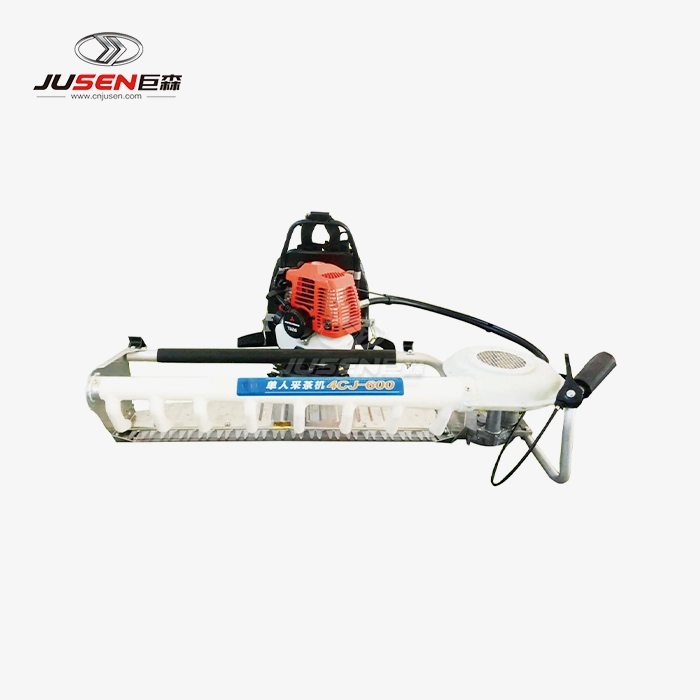 VIEW MORESingle-Person Tea Picking Machine
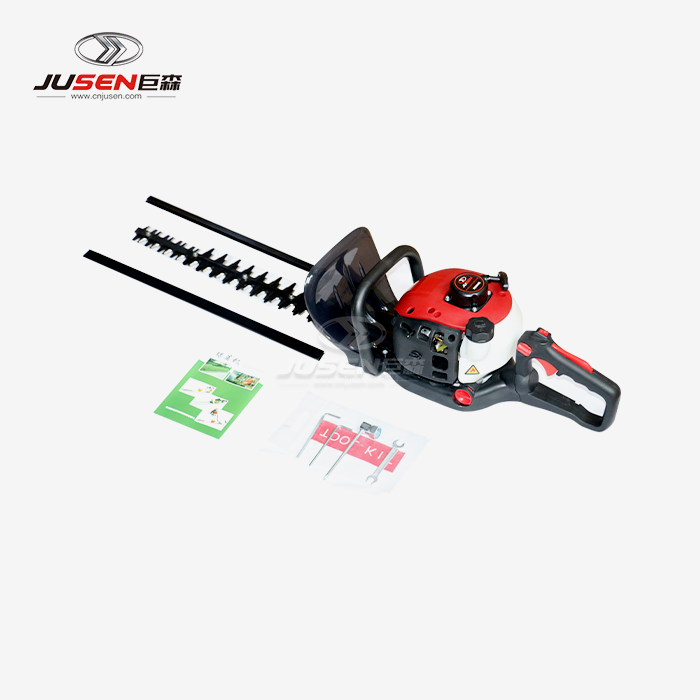 VIEW MORE22.5cc Gas Powered Hedge Trimmer
 VIEW MORE63cc 2-Stroke Post Hole Digger
 VIEW MORE63cc Double-Handed Grip Handle Earth Auger
 VIEW MORE40.2cc Gas Weed Wacker
 VIEW MORE16-Inch Cordless Electric Chainsaw