




58cc Gas Chainsaw OEM Supplier Guide for Importers
Selecting the right OEM supplier for 58cc gas chainsaws requires strategic evaluation of manufacturing capabilities, quality standards, and partnership reliability. This guide addresses the core concerns importers face when sourcing mid-displacement power tools—from verifying production capacity and certification compliance to negotiating favorable terms that protect margins while ensuring product consistency. A 58cc gas chainsaw occupies a specialized position in the market: powerful enough for professional forestry applications yet cost-efficient for distributors targeting landscaping contractors, agricultural operations, and semi-professional users. Understanding how to identify suppliers who can deliver this balance reliably transforms your procurement from transactional purchasing into a sustainable competitive advantage.
Criteria for Choosing the Right 58cc Gas Chainsaw OEM Supplier
Choosing the right supplier affects how consistent the quality of 58cc Gas Chainsaw is, how reliable your deliveries are, and how well you can set your products apart in competitive markets. The evaluation framework looks at more than just unit price. It also looks at how deep the manufacturing is, how well the technical support is, and how well it fits with your strategy for positioning the product in the market.
Manufacturing Capabilities and Certification Standards
Genuine OEM partners keep vertical integration in place, which includes casting the engine, putting together the carburetor, and testing the final product. When looking at possible suppliers, make sure to ask for proof of CE or EPA certification testing and documentation of ISO 9001 quality management systems. These qualifications show that the vehicle meets the safety and emission norms needed to enter the North American and European markets.
Your ability to increase inventory during busy times is affected by how much you can produce. A qualified manufacturer should be able to show that they can make more than 5,000 units per month and have the ability to make up to 8,000 units during demand spikes in Q2 and Q3. Our production cycle lasts 20 to 25 business days, and we've been in business since 2004 in Jinhua, Zhejiang. This gives our supply chain predictability, which keeps us from running out of stock during key sales times.
Quality Control Protocols and Testing Rigor
Pre-shipment inspection procedures show that the supplier wants to keep problems from happening. Comprehensive testing methods include checking the carburetor tuning (to make sure the engine stays stable at idle without turning the chain), compression testing to find problems with the integrity of the seals, and brake inertia testing to make sure the brakes engage within 0.12 seconds during kickback simulation. These steps are in line with the safety rules set by ISO 11681-1 for making chainsaws.
Our JS-CS5800W model's adjustable oil pump shows the level of engineering skill that sets professional-grade equipment apart from consumer models. This feature lets workers change the flow of bar oil based on the density of the wood and the temperature of the room. This keeps the bar from being lubricated enough in high-friction situations and from using too much oil for light-duty jobs. These kinds of design details show that a supplier knows more about operational needs in the real world than just basic functional needs.
Minimum Order Quantities and Customization Flexibility
How to buy things is based on balancing minimum order quantities (MOQs) with the costs of keeping goods on hand. For standard configurations, established suppliers usually require at least 100 to 200 units, and for customization options, they need at least 500 units. These limits show how much it costs to make the tools needed to change the color scheme, the way the product is packaged, and the specifications to account for differences in the quality of fuel in different areas.
JUSEN's OEM services include more than just marking for looks; they also allow for useful customization. We allow carburetor re-jetting for markets at high elevations where normal tuning leads to rich running conditions, and we offer chain pitch variations (0.325" vs. 3/8") to match regional preference trends. This adaptability helps brand differentiation strategies that show your products as custom solutions instead of generic imports.
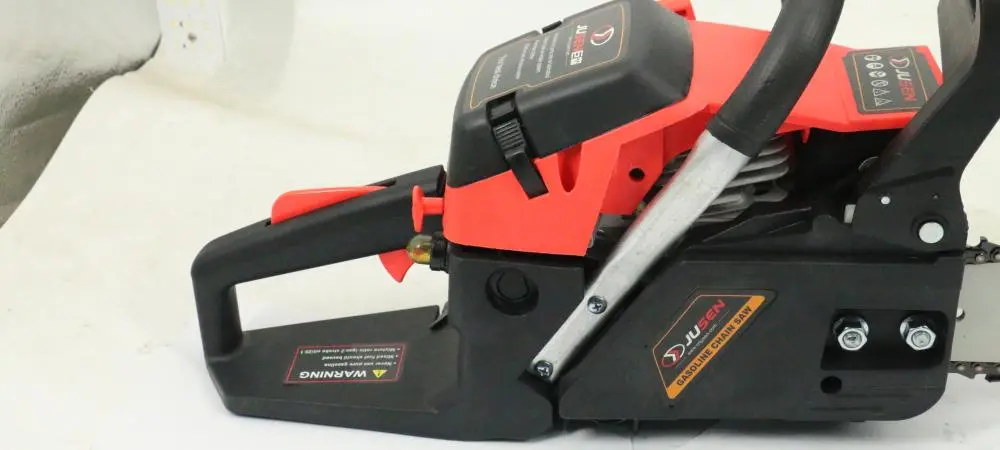
In-Depth Comparison: 58cc Gas Chainsaw vs Alternatives in the Market
When deciding what to import, you need to compare different types of displacement and power sources. Knowing the pros and cons of performance, total operating costs, and application suitability helps you choose a product that meets the wants of your target customers.
Performance Against Adjacent Displacement Classes
A 45cc chainsaw usually makes 2.0 to 2.2kW, which is enough for cutting firewood once in a while but can get stuck in thick forests bigger than 14 inches in diameter. When cutting buried bars, when the chain speed drops below 3,000 feet per minute—the level needed to keep cutting efficiently—the power deficit becomes clear. In order to make up for it, operators put too much downward pressure on the machine, which speeds up the wear on the guide bars and raises the risk of kickback.
On the other hand, 62cc forestry saws have an output of 3.0kW+ but weigh 9–10 kg, which makes the operator tired during long sessions of overhead limbing or bucking. The performance sweet spot for the 58cc platform is between 15 and 20 percent more power than 45cc models while keeping the weight below 8 kg, which is the point at which handling gets noticeably worse.
Electric and Battery-Powered Alternatives Analysis
Cordless electric chainsaws are popular with homeowners who value ease over long-lasting power. The current lithium-ion technology only lasts 30 to 45 minutes when used at a moderate level of load. This is long enough for storm cleanup but not long enough for commercial firewood operations that process several cords of wood every day. The cost of replacing batteries ($150 to $200 per pack) adds up quickly in situations with a lot of use, making the maintenance benefits over gasoline models less clear.
As long as the gasoline engine is running, the chainsaw will always put out the same amount of power. This is important for professionals who can't stop working to charge the chainsaw. At the moment, fuel costs about $2 to $3 an hour to run, while battery depreciation costs about $4 to $5 an hour for electric models, spread out over their typical 500-cycle lives. The total cost of ownership study shows that fuel platforms are better for users who run their vehicles more than 100 hours a year.
Operational Cost Considerations
Patterns of fuel use have a big effect on per-hour running costs. At $3.00/gallon, a well-tuned 58cc Gas Chainsaw uses about 0.6 to 0.8 liters of fuel per hour for mixed cutting tasks. This means that the fuel costs $1.80 to $2.40. Two-stroke oil adds $0.30 to $0.50 per hour when mixed at the recommended 40:1 or 50:1 ratios with synthetics that are rated JASO FD.
Downtime and parts costs are affected by how often maintenance is done. Because our JS-CS5800W's cylinder is chrome-plated, the piston rings don't need to be replaced every 150 to 200 hours as they do with standard aluminum bores. Instead, they can be replaced every 300 hours or more. This durability lowers the yearly cost of maintenance by $80 to $120 for users who log 200 hours or more during the season. This is a big benefit for rental businesses and contractor fleets.
Procurement Best Practices: How to Source and Buy 58cc Gas Chainsaws Efficiently
Strategic sourcing combines lowering supply chain risk with finding the best prices. Importers who are good at what they do create multidimensional evaluation systems that balance unit economics against quality consistency, delivery reliability, and the ability to provide help after the sale.
Direct Manufacturer Relationships vs. Trading Companies
When you work directly with an OEM, you cut out the middleman's fees and get access to tech help and customization services. Trading companies make things easier by combining shipping and communication in multiple languages, but they usually charge 12–18% more than factory-direct prices. For yearly quantities over 500 units, direct manufacturer relationships offer better value through bulk savings and the ability to change specifications.
International importers can get help from JUSEN's customer service system, which includes English-language account management and expert documents. Our experience working with well-known garden tool brands since 2004 makes it easy for new distributors to get started. We can give them competitive information on price strategies and product placement methods that help them get into the market faster.
Pricing Benchmarks and Negotiation Strategies
Quality 58cc chainsaws usually cost between $95 and $135 FOB, but this depends on how many you order, how complicated your specifications are, and how you want to pay. Suppliers offer savings of 3–8% for orders over 200 units, and they may also make extra deals for customers who pay in advance, which lowers their need for operating capital. When you understand these economic drivers, you can negotiate in ways that create value for both sides instead of just grinding down prices.
Asking for specific cost breakdowns shows that the pricing system is clear. Ethical sources are happy to split the costs of parts like engine assembly, guide bars, chains, and packing, which shows that the margin is fair. This openness shows a focus on partnerships instead of business opportunism, which is a very important difference to keep in mind when dealing with quality problems or changing specifications during production runs.
Warranty Coverage and After-Sales Support
Full guarantee programs move the risk of a product from the importer to the maker, protecting margins from failures that happen too soon. Standard coverage lasts for 12 months from the date of purchase and covers problems with the way the product was made, but not normal wear and tear or damage caused by poor maintenance. Before signing a supplier agreement, make sure you understand how to file a warranty claim, what paperwork is needed, and when parts will be available.
JUSEN's one-year guarantee covers typical problems with expert help for things like tuning the carburetor, diagnosing the ignition system, and making sure the right fuel is mixed. This support lowers the number of returns by fixing problems caused by operator error without having to replace the product. This lowers the total cost of the warranty while increasing customer satisfaction. Our spare parts collection keeps 95%+ of high-wear parts like chains, sprockets, and air filters in stock, so your customers' machines won't be down for long.
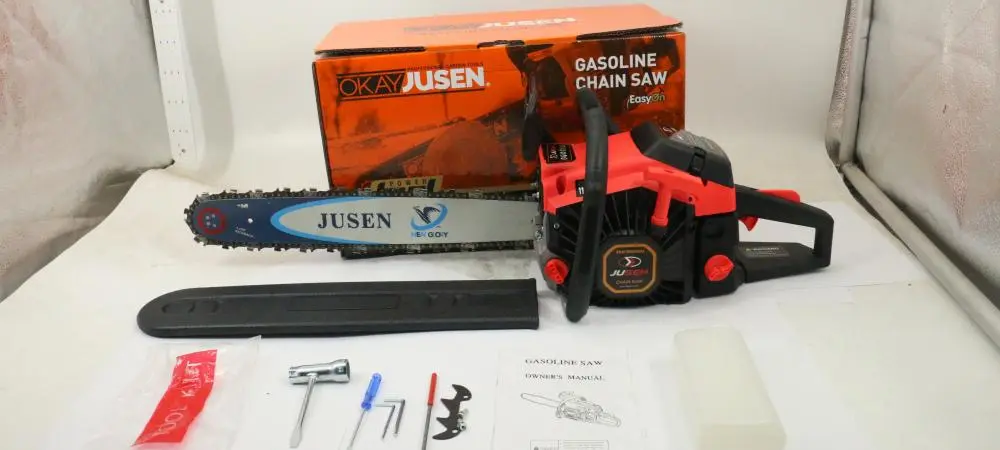
Optimizing Your Partnership with 58cc Gas Chainsaw OEM Suppliers
For long-term success with imports, you need to build ties with your suppliers that go beyond just buying 5800 petrol chainsaws. Strategic partnerships give businesses a competitive edge by giving them early access to production capacity, better product specifications, and custom solutions that meet the needs of new markets.
Communication Protocols and Quality Feedback Loops
Setting up ordered communication patterns stops confusion that leads to mistakes in production that cost a lot of money. Getting weekly information on the state of production during manufacturing cycles lets you know about possible delays and lets you communicate with customers, and make changes to your inventory before they happen. Post-delivery quality reviews measure the number of defects, find problems that keep happening, and keep track of improvement trends, which shows that the supplier is committed to continuous improvement.
Through systematic root cause analysis, JUSEN's quality control method takes into account comments from importers. When things go wrong in the field, we do metallurgical tests, dimensional checks, and checks of the assembly process to find out what went wrong. This thorough investigation, along with putting corrective actions into action and making sure they work, boosts trust that quality problems are really fixed and not just covered up.
Pre-Shipment Inspection Checklists
Comprehensive inspection protocols keep your warehouse safe from getting damaged goods. Important checks include compression testing (at least 90 PSI shows a good ring seal), brake function testing (engagement within 0.12 seconds), and a visual check for finish flaws. Random sampling rates of 10 to 15 percent give you statistical trust while keeping checking costs low.
Verification of carburetor tuning needs extra attention. Each unit should be able to idle steadily without the chain moving, respond quickly to throttle inputs when speeding up, and reach a maximum RPM within the range specified (usually 11–12, 000 RPM). Deviations show tuning problems that lead to customer complaints and warranty claims—problems that could have been avoided if found before shipping.
Leveraging Innovation Pipelines for Market Differentiation
Progressive providers put money into making new products that meet the needs of regulators and new market trends. Current areas of focus for innovation include technologies that reduce emissions and meet strict EPA Phase 3 standards, tool-free chain tensioning systems that make use easier, and telemetry integration that lets commercial operators keep track of their fleets.
Getting early access to these improvements gives your brand a chance to stand out and position itself as an innovator. The engineering team at JUSEN works with import partners to make new technologies fit the needs of specific market groups. For example, agricultural users may need larger fuel tanks, while rental businesses may want easier repair processes. This method of collaborative development creates unique features that can be sold at higher prices and keep customers coming back.
Conclusion
To find dependable 58cc Gas Chainsaws from trustworthy OEM sources, you need to do a full evaluation that goes beyond unit pricing and looks at things like quality systems, production capabilities, and the possibility of forming a partnership. The 58cc displacement category has the best balance of power to weight for professional landscapers, farms, and semi-professional users. This means that importers can make a lot of money if they strategically position their products in this market. Procurement strategies that work well focus on direct relationships with manufacturers, clear quality standards, and partnerships that allow for customization of specifications and ongoing improvement. Importers can build a strong supply chain and stand out from the competition, which leads to long-term market success by using the evaluation models and negotiation tactics in this guide.
FAQ
What fuel mixture ratio should be used for 58cc gas chainsaws?
Depending on the maker, modern two-stroke engines need gasoline-to-oil ratios of either 40:1 or 50:1. To keep carbon buildup on piston crowns and exhaust ports to a minimum, always use JASO FD-rated semi-synthetic or full synthetic two-cycle oil. Using the wrong motor oil or ratios can cause the engine to seize up early and void the warranty.
How do I verify an OEM supplier's manufacturing legitimacy?
Ask for proof of ISO 9001 certification, factory audit reports from outside groups, and contact information from current import customers. Real manufacturers give videoconference tours of their facilities, show how their testing equipment works, and are happy to share documentation about the production process. Be wary of sellers who won't give you their qualifications or let you see their factory.
What determines the maximum bar length for a 58cc engine?
58cc engines can literally handle bars up to 24 inches long, but for best performance in hardwood uses, bars 18 to 20 inches long are recommended. Longer bars spread available power over a longer chain, which slows down the cutting speed and makes the operator work harder. Match the length of the bar to the average diameter of the logs your customers process. Bars that are too long waste time and effort without adding any value.
Partner with JUSEN: Your Trusted 58cc Gas Chainsaw Manufacturer
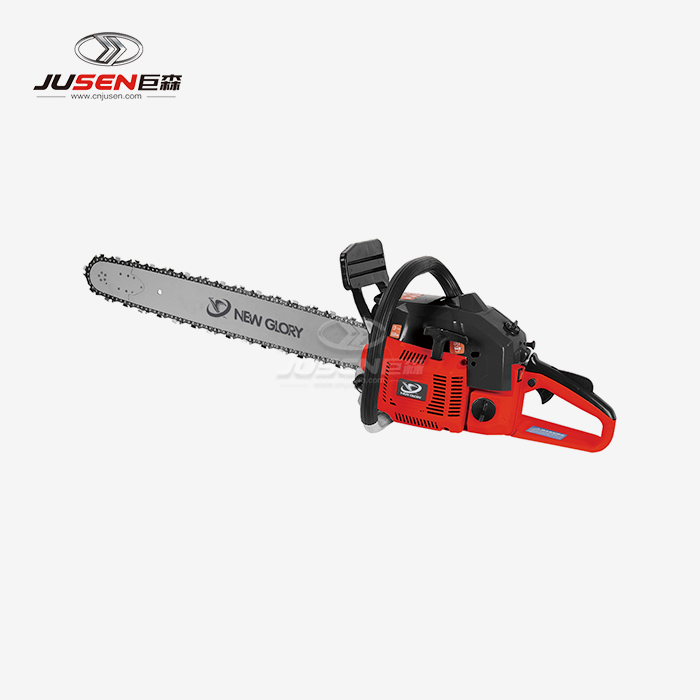
JUSEN has been making high-quality products for 20 years and offers full OEM services that are designed to help importers build competitive garden tool brands. Our JS-CS5800W 58cc Gas Chainsaw is built with magnesium alloy, has chrome-plated cylinders, and goes through strict quality testing protocols to make sure it works well. As a well-known supplier with a facility in Jinhua, Zhejiang, we serve international markets. Our production capacity, flexibility in meeting specific needs, and technical support turn sourcing problems into market advantages.
We offer more than just standard setups. We also offer private labeling, personalized packaging, and changes to regional specifications that help your brand stand out. Our engineers work directly with import partners to make sure that the carburetor is tuned to work best with the fuel quality in each country, that the guide bar setups are right for each application, and that any stylistic changes are in line with your brand's image.
Email our foreign sales team at Sales1@cnjusen.com to talk about your buying needs, get detailed specs, and set up shipping of samples. If you want to grow your business by introducing a new line of garden tools or adding to the ones you already have, JUSEN is the best 58cc Gas Chainsaw supplier for you because we have a history of quality, innovation, and user satisfaction. Let's work together to make your supply chain more valuable at every step.
References
1. International Organization for Standardization. (2021). ISO 11681-1: Machinery for forestry — Portable chainsaw safety requirements and testing — Part 1: Chainsaws for forest service.
2. United States Environmental Protection Agency. (2020). Small Spark-Ignition Engines and Equipment: Exhaust and Evaporative Emission Standards.
3. American National Standards Institute. (2019). ANSI B175.1: Safety Requirements for Gasoline-Powered Chain Saws.
4. Society of Automotive Engineers International. (2018). JASO FD Standard: Two-Stroke Cycle Gasoline Engine Lubricants for Motorcycles.
5. National Institute for Occupational Safety and Health. (2022). Hand-Arm Vibration Syndrome: Guidelines for Reduction and Control in Powered Tool Operations.
6. Forest Products Laboratory, U.S. Department of Agriculture. (2021). Wood Hardness and Density Characteristics: Implications for Cutting Tool Selection and Performance.

USER EVALUATE
Here is the customer's evaluation of us
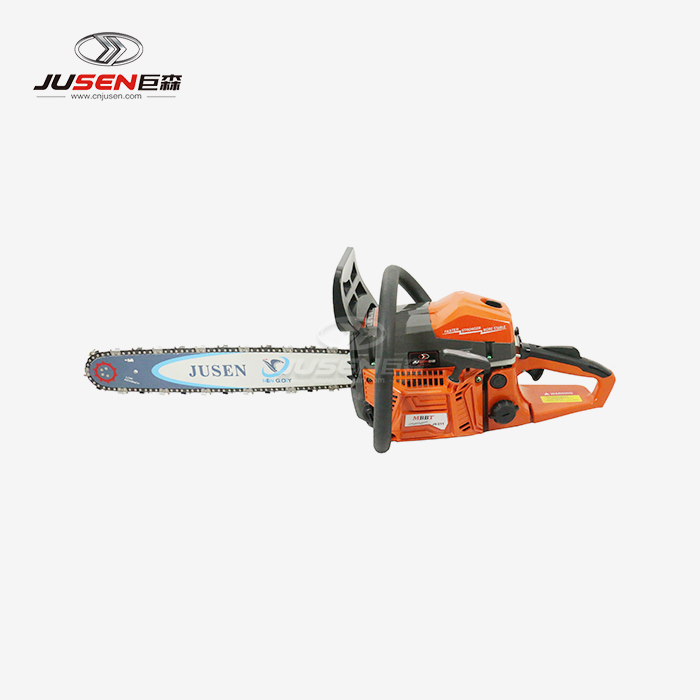 VIEW MOREGas Powered Gas Chain Saw
 VIEW MOREGX35 BRUSH CUTTER Accessories starter
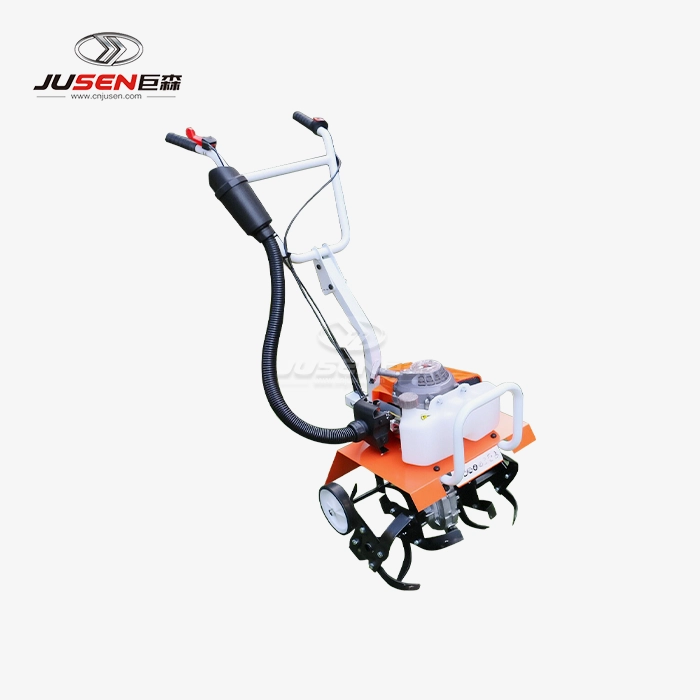 VIEW MOREHandy 2-Stroke 63cc Petrol Mini Tiller
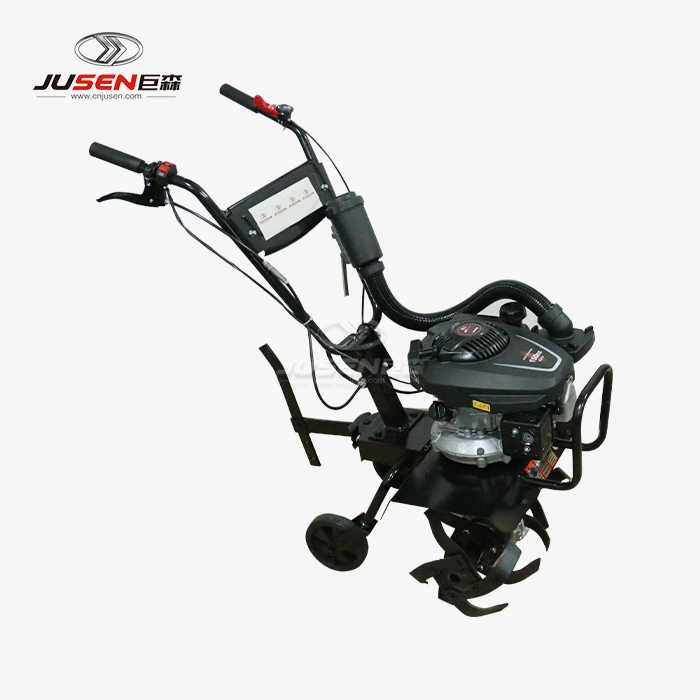 VIEW MORE4-Stroke mini rotary tiller cultivator
 VIEW MOREElectric Pruning Shears Cordless
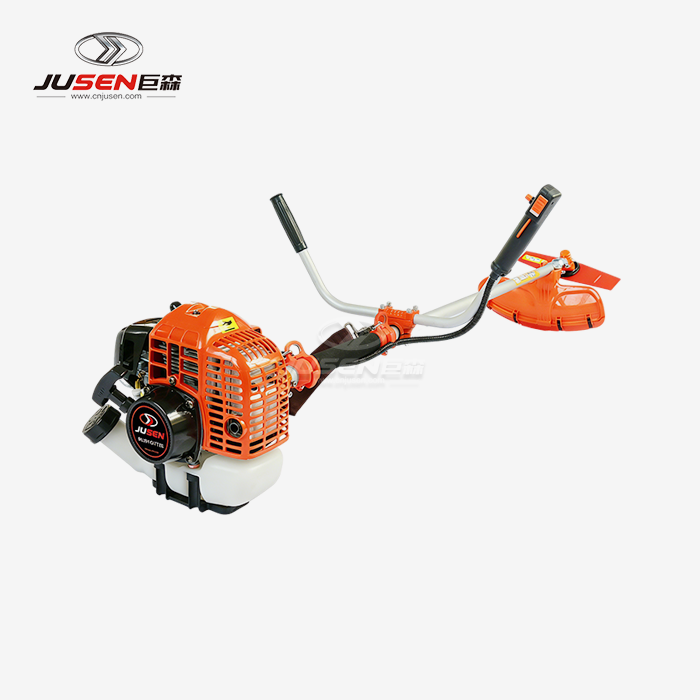 VIEW MORE41.5cc 2-Stroke Gasoline Brush Cutter
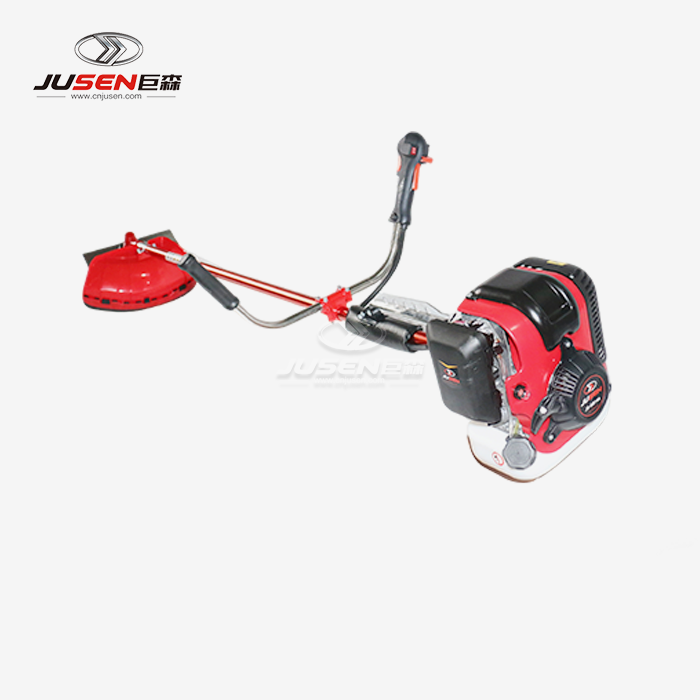 VIEW MORE54cc 4-Stroke Brush Cutters
 VIEW MORE62cc 2-Stroke Garden Tools Gasoline Chainsaw