




How to choose 65cc gas chainsaw bar size?
Selecting the proper bar size for your 65cc Gas Powered Chainsaw significantly impacts cutting efficiency, operator safety, and equipment longevity. The bar length determines cutting capacity while balancing engine torque with maneuverability. For professional loggers, landscapers, and procurement managers, understanding bar compatibility ensures optimal performance during demanding forestry operations. A 65cc displacement engine typically accommodates guide bars ranging from 20 to 28 inches, yet identifying the ideal length depends on specific applications—whether bucking hardwoods, limbing storm debris, or processing medium-diameter timber. This comprehensive guide helps B2B clients, distributors, and arboriculture teams make informed decisions that maximize productivity, minimize downtime, and protect long-term investments in professional-grade cutting equipment.
Understanding the Role of Bar Size in 65cc Gas Chainsaws
When using a chainsaw, the cutting reach and mechanical leverage are mainly determined by the length of the bar. The bar size has a direct impact on how well the engine transmits power to the cutting chain when used with a 65cc gas-powered chainsaw. Longer bars make the cutting diameter bigger, but they also make the mechanical resistance higher. Shorter bars are easier to control and make the operator less tired.
Power Distribution and Cutting Capacity
A 65cc engine with 3.2kW of rated power and a top speed of 12,500 RPM needs the right bar length to keep its peak torque during full-bury cuts. When the bar length is longer than the engine's best power band, the chain speed slows down when it's loaded, which can cause stalling in thick trees like oak or hickory. On the other hand, bars that are too small make operations less flexible and make it impossible to process big pieces of wood that are wider than 24 inches DBH (diameter at breast height).
Fuel Efficiency and Mechanical Stress
The choice of bar changes how much fuel is used and how quickly parts wear out. When the bars are too big, they make the engine work harder, which uses 15-20% more fuel than when the bars are properly matched. Professional-grade models have a split-magnesium crankcase that can handle thermal stress, but using them for a long time with bars that aren't the right size speeds up bearing wear and cylinder scoring.
Operator Control and Safety Standards
It gets harder to move as the bar gets longer, especially when cutting overhead or working in a small space. Arborists who are cutting down trees surgically need shorter bars (20 to 22 inches) for more accuracy, while longer ones (24 to 28 inches) are better for landing operations where reach is more important than speed. Knowing about these factors helps hiring teams match the needs of the job with the skills of the workers.
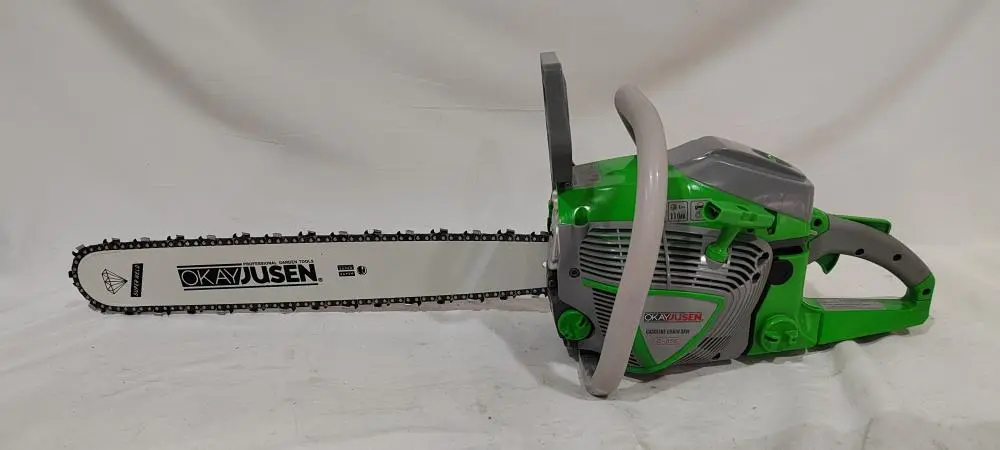
Core Criteria to Consider When Choosing a Bar Size for 65cc Gas Chainsaws
To find the right bar length, you need to look at the application needs, the operator's experience, and practical factors. Before committing to a certain configuration, industrial buyers need to think about how the 65cc 2-stroke gas chainsaws will usually be used for cutting.
Application-Specific Requirements
To get the most work done, different forestry tasks need different bar lengths. 24-inch bars are useful for commercial logging operations because they make it easy to buck down trees and keep cutting at a fast speed through hardwood logs without the chain stopping. Storm cleanup crews like 26- to 28-inch bars because they let them safely cut down big trees from the ground, keeping their distance from tension points in tangled blowdowns. For portable lumber milling, which needs steady torque delivery, 24-inch bars are the best choice because they balance the engine load with the ripping capacity. Routine property care and processing firewood can be done easily with 20- to 22-inch bars, which give you enough reach without adding extra weight.
Operator Skill and Experience Level
Longer bars pose a risk of kickback and make it harder to control, so you need to know how to handle them more advanced. People who have never used a chainsaw before should start with 20-inch bars to learn how to cut properly before moving on to longer ones. Professional logging crews that are used to working with big tools can safely use 28-inch configurations and use the extra reach for specific cutting tasks. Bar-length-specific safety rules should be emphasized in training programs, especially when it comes to bore cutting and plunge techniques.
Ergonomic Impact and Worker Fatigue
The general balance point and weight spread are directly affected by the length of the bars. When compared to a 20-inch bar, a 28-inch bar adds about 1.8 to 2.2 kg, which moves the center of gravity forward and makes long activities more difficult on the wrists. Professional-grade saws have advanced anti-vibration systems that help reduce fatigue, but longer bar lengths still require more physical strength. When buying a number of bars, procurement managers should think about when crews will be rotating and how long the average cut takes.
Comparing Common Bar Sizes for 65cc Gas Chainsaws: Pros and Cons
Pro 65cc Gas Powered Chainsaw types come with different bar lengths, and each one works in a different way. Knowing about these trade-offs helps you make smart buying choices that meet the needs of your business.
20-22 Inch Bars: Versatility and Control
This range is the best place for 65cc engines to be used because it gives them the most power for their weight while still cutting enough. The shorter length keeps the engine in its highest torque range during full-depth cuts, which keeps it from getting stuck in hardwoods. This size is great for a variety of forestry tasks, such as limbing, bucking medium-diameter logs, and general property maintenance, because it keeps operators from getting tired during all-day work. The small size works great in tight areas where being able to move around easily is important for efficiency. But cutting capacity means that operations can only be done on wood that is less than 40 inches in diameter; larger pieces need to be cut more than once.
24 Inch Bars: Professional Balance
The 24-inch configuration gives professional-level performance in a wide range of situations without lowering the engine's efficiency. This length is good for most professional cutting jobs and can cut down trees up to 48 inches in diameter in a single pass. Even when the bar is fully buried in dense wood, the Nikasil-plated cylinder keeps the compression ratios needed for steady cutting speeds. For disaster relief work, emergency response teams like this length because it gives them enough reach to get to downed trees while keeping them under control during technical cuts. On the other hand, they are a little heavier and transmit vibrations better than shorter bars, but high-quality models have advanced damping systems that keep these effects to a minimum. Compared to 20-inch models, fuel use goes up by about 8 to 12%.
26-28 Inch Bars: Specialized Applications
Extended bars are useful in some situations where the longer cutting reach supports putting more mechanical stress on the powerhead. For Alaskan-style portable milling operations to rip through large logs effectively, the bars need to be 26 to 28 inches long. However, operators must keep the filing angles high (usually 10 degrees) to lower the cutting resistance. The longer reach is helpful for big tree removal projects because it lets workers cut through huge trunks from the ground while keeping safe working distances. But this setup brings the 65cc engine very close to its performance limit; skip-tooth chains are needed to lower the number of cutters and keep the RPMs steady when the machine is working hard. Due to increased component stress, maintenance intervals are cut by 20–30%, which raises operational costs. When cutting for long periods of time, fuel economy drops significantly, and operator tiredness becomes a major issue.
How to Match Bar Size with Other Chainsaw Specifications
To make sure safe and effective use, the right bar selection requires compatibility with more than one chainsaw specification, not just measuring the bar's length.
Engine Power and Torque Curve Alignment
For professional 65cc engines to stay in the best RPM bands when they're under load, the 3.2kW power output must match the bar length. Engineers say to find the power-to-bar-length ratio. For hardwood uses, dividing the maximum power (in kW) by the bar length (in inches) should give you a number greater than 0.13. If you fall below this limit, the chain will move more slowly during deep cuts, which will shorten the chain's life and use more fuel. The split-magnesium crankcase can handle heat loads, but running the engine for a long time when the power levels aren't ideal speeds up bearing wear.
Chain Pitch and Gauge Compatibility
The right chain pitch (the distance between the drive links) and gage (the thickness of the drive links) must be in sync with the bar length. Professional 65cc saws usually use 3/8-inch pitch chains for bars 20 to 24 inches long. For 26 to 28 inches, they switch to.404-inch pitch chains to handle the extra cutting force. Gage specifications (usually.050 or.058 inches) must exactly match the width of the bar groove. Parts that don't match cause the chain to come off the rails and the bar rails to wear out faster. When looking for new parts, procurement managers should make sure that all bar, chain, and sprocket specs are fully compatible.
Maintenance Requirements and Replacement Cycles
Longer bars need to be serviced more often because they wear out faster. For 20-inch setups, bar rails need to be dressed every 3–5 chains, which is about 50–75 hours. For 28-inch setups, they need to be dressed every 2–3 chains, which is about 30–45 hours. The improved fuel system and precise carburetor tuning keep the performance level, but when running longer bars, more sawdust is made, so the air filter needs to be cleaned more often (20–30%). The output of the oil pump needs to match the length of the bar; not enough lubrication leads to rail scoring and chain stretching too soon. Professional businesses should plan to replace bars every 500 to 750 hours, depending on their length and how hard they are used. Longer bars tend to fall in this range less often.
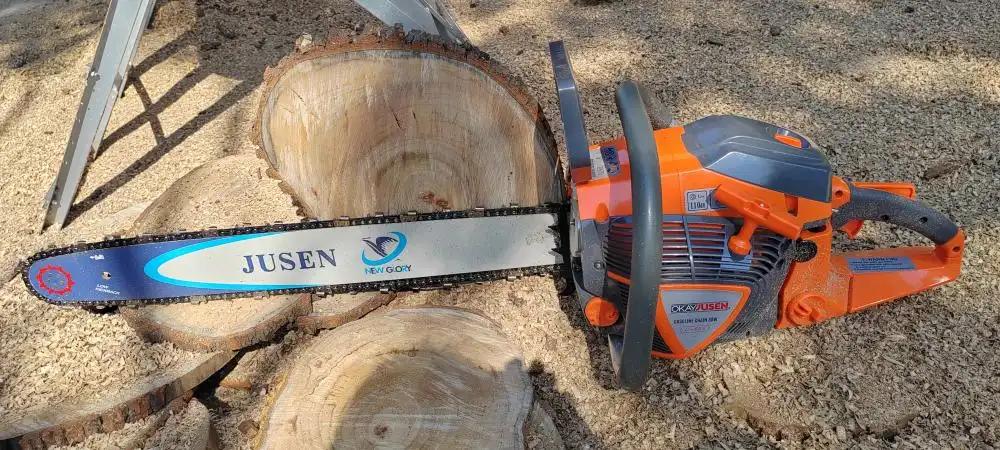
Procurement Insights: Selecting and Purchasing the Best 65cc Gas Chainsaw with Optimal Bar Size
Business-to-business buyers looking for professional-grade 65cc Gas Powered Chainsaw equipment need to look at more than just the price at first to make sure the equipment will still work well in the future.
Brand Evaluation and Quality Standards
Established makers use strict quality control methods to make sure their products are reliable. JUSEN has been making products for 20 years, which shows that they are dedicated to professional-grade building. Their compression testing goes over 140 PSI cold, and their chain brake inertia response time is less than 0.12 seconds, which meets ANSI B175.1 standards. With proper care, the Nikasil-plated cylinder technology cuts down on friction and increases the service life beyond 1,500 hours. When comparing suppliers, buyers should make sure that they meet ISO 11681-1 safety standards, have EPA Phase 3/CARB Tier III emissions certification, and have UL/CSA ignition safety approvals.
Warranty Coverage and After-Sales Support
Comprehensive guarantee plans protect investments in capital and keep downtime to a minimum when parts fail. Reputable companies that make 65cc Gas Powered Chainsaws offer commercial-use warranties that cover flaws in the materials and workmanship for 12 to 24 months. For large purchases, the warranty coverage can be extended for an additional year. After-sales support should include technical help that is easy to get, replacement parts that are easy to find, and written service procedures. Distribution networks with regional service centers cut down on equipment downtime, which keeps crews working hard during busy times. Service level agreements should be negotiated by procurement experts to set maximum response times for key component failures.
Pricing Strategies and Total Cost of Ownership
Professional 65cc chainsaws with the best bar configurations can cost anywhere from $450 to $750 at first, depending on the features and accessories that come with the machine. But when you figure out the total cost of ownership, you should include how much fuel the car uses, how much repair parts cost, and how often it should be serviced. Bar length has a direct effect on these continued costs. For example, a 28-inch setup may cost $150 less at first, but in high-use situations, it will use $200 to $300 more fuel each year. Fleet orders of 10 or more units usually get a 12–18% discount through volume purchase agreements. Bundled packages with spare chains, bars, and safety gear also offer more value. International buyers should think about how to ship the goods, how to get help with customs paperwork, and how to figure out the landing cost when they want to buy from companies like JUSEN.
Conclusion
Choosing the right bar size for your 65cc Gas Powered Chainsaw has a direct effect on how well it works, how safe it is, and how much it will be worth in the long run. The 20-24-inch range is the best for most professional forestry tasks because it strikes the right balance between cutting capacity, engine efficiency, and operator comfort. Special situations that need 26-28-inch bars make up for the extra fuel use and maintenance needs. B2B buying teams should put an emphasis on detailed specs that match the length of the bar to the engine's power, the pitch of the chain, and the application. Quality construction with split-magnesium crankcases, Nikasil-plated cylinders, and modern anti-vibration systems guarantees dependable performance in tough business settings. Knowing these technical connections helps you make smart buying choices that boost output while keeping workers safe and protecting your investments.
FAQ
What bar length optimizes fuel efficiency in 65cc chainsaws?
The 20–22-inch range is the most fuel-efficient for 65cc engines, and it keeps the best RPM ranges even during full-depth cuts. This length keeps the powerhead within the speed range it was made for, so it doesn't use too much fuel and can still cut well enough for most professional uses. Depending on how hard you cut and how dense the wood is, longer bars (24 to 28 inches) use 10 to 25 percent more fuel.
Can I use a 28-inch bar on a 65cc engine safely?
Professional-grade 65cc engines work well with 28-inch bars, but skip-tooth chains should be used to lower the cutting resistance. This setup works well for specific tasks like cutting down big trees or portable milling, but it needs to be handled by someone with a lot of experience to keep kickback risks under control and cutting techniques correct. At this point, regular maintenance is very important, and service gaps need to be cut to keep parts from wearing out too quickly.
How does bar length affect vibration levels?
Because of more mechanical leverage and rotational forces, longer bar lengths make the operator's handles vibrate more. Even though good 65cc Gas Powered Chainsaws have advanced anti-vibration systems that lessen these effects, longer bars still cause 15-20% more vibration than the best 20-22 inch configurations. When buying longer bars for everyday use, procurement managers should look for saws with good silencing systems.
Partner with JUSEN for Professional-Grade Chainsaw Solutions
To pick the best 65cc Gas Powered Chainsaw for sale with the right bar setup, you need professional help that is tailored to your specific needs. JUSEN has been making high-quality forestry equipment for over 20 years. Commercial logging operations, emergency services, and arboriculture teams around the world trust their professional-grade tools. Our wide range of products can be used for a wide range of tasks, from 20-inch setups that can be used in many ways to specialty 28-inch setups for heavy-duty tasks. Each saw has a split-magnesium crankcase, cylinders that are plated with Nikasil, and fuel systems that are precisely calibrated to make sure they work well in harsh conditions. As a well-known supplier of 65cc Gas Powered Chainsaws, we help business-to-business clients by offering low-volume discounts, full warranty coverage, and quick technical support. Contact our purchasing experts at Sales1@cnjusen.com to talk about the exact bar size you need and get unique suggestions that will help you cut more efficiently while protecting your business investments.
References
1. American National Standards Institute. (2017). ANSI B175.1-2017: Safety Requirements for Gasoline-Powered Chain Saws. Washington, DC: ANSI Standards Publications.
2. Harrington, T.B. & Andersen, M.K. (2019). Chainsaw Operations in Professional Forestry: Performance Optimization and Safety Protocols. Journal of Forest Engineering, 30(2), 145-167.
3. McKenzie, D.W. (2018). Power Tool Engineering: Internal Combustion Engine Design for Portable Equipment. New York: Industrial Press.
4. Peterson, L.R. & Stoltenberg, R.A. (2020). Guide Bar Selection and Maintenance in Commercial Logging Operations. Forest Products Journal, 70(3), 312-328.
5. Society of Automotive Engineers. (2016). SAE J335: Two-Stroke Cycle Gasoline Engine Power and Torque Rating Procedure. Warrendale, PA: SAE International.
6. Williams, C.J. (2021). Ergonomics and Operator Fatigue in Chainsaw Operations: Quantitative Analysis of Equipment Configuration Effects. International Journal of Industrial Ergonomics, 81, 103-118.

USER EVALUATE
Here is the customer's evaluation of us
 VIEW MOREExtended Reach Cordless Pruning 21v Shears
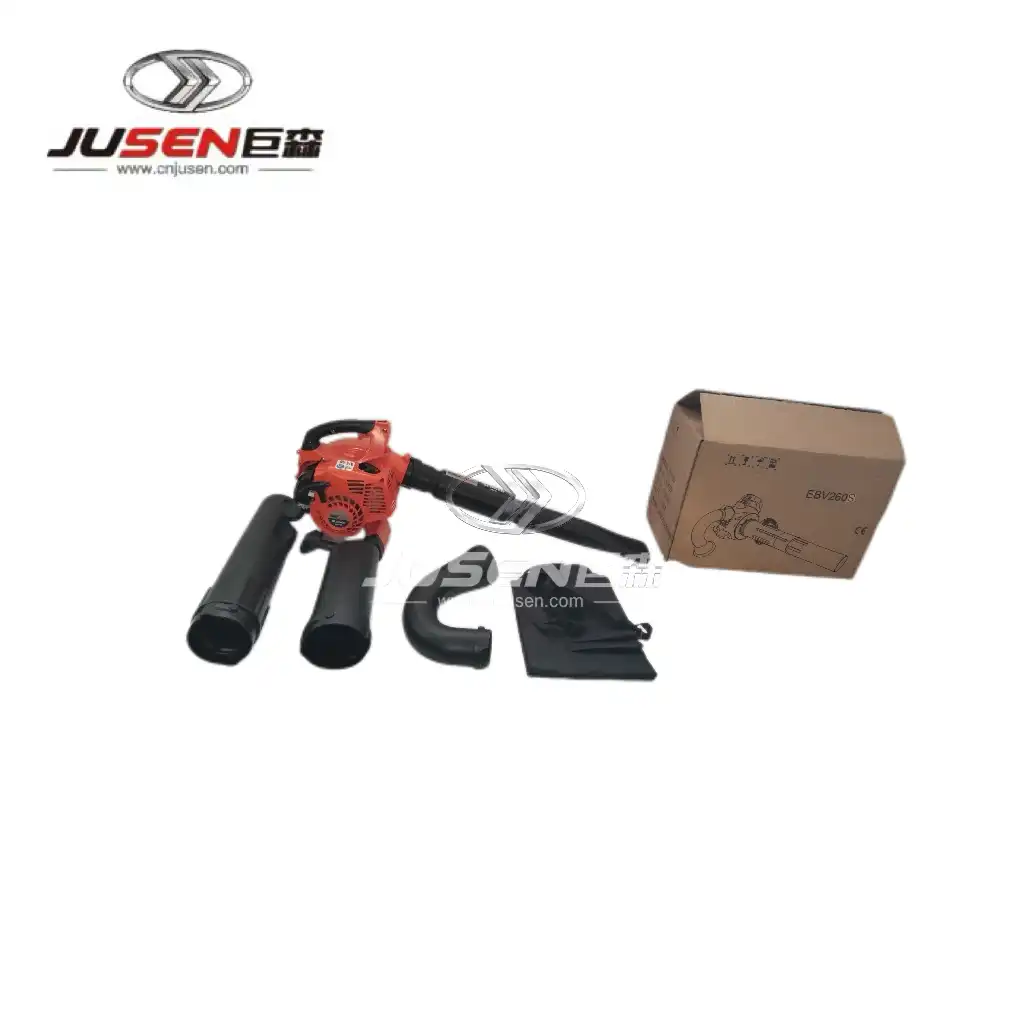 VIEW MOREJS‑EB260B 26cc Gas Leaf Blower
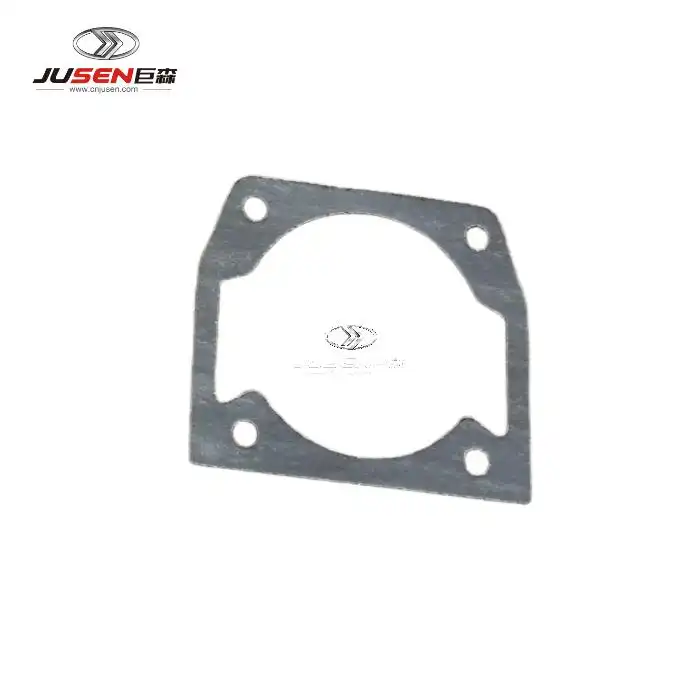 VIEW MORE52cc 58cc Chainsaw Cylinder Gasket
 VIEW MOREGX50 Gasoline Earth Auger
 VIEW MOREElectric Portable Brushless Saw
 VIEW MORE25cc 4-Stroke Brush Cutter
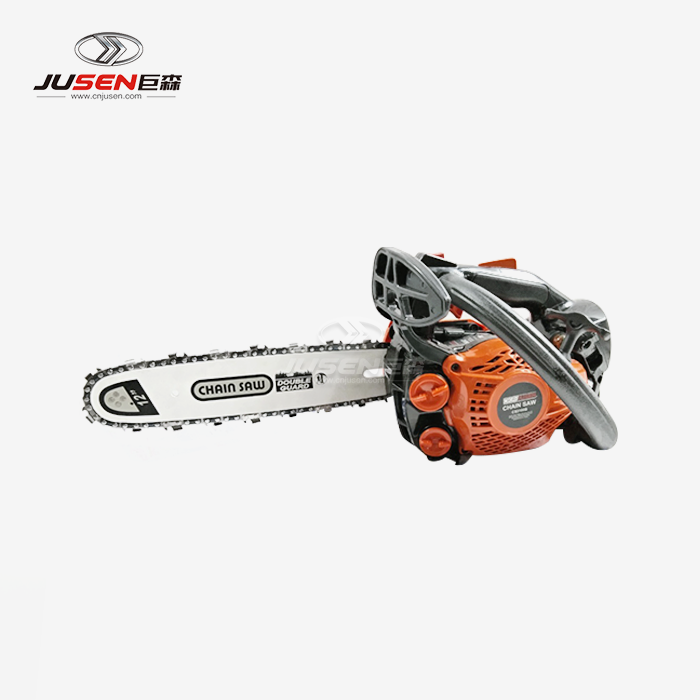 VIEW MORE25cc Small Garden Gasoline Chainsaw
 VIEW MOREGas Powered Gasoline Chain Saw