




58cc Gas Chainsaw Guide: Uses, Benefits, and Buying Tips
The 58cc gas chainsaw is the perfect middle ground for heavy-duty cutting jobs in forestry, landscaping, or property maintenance. The engine displacement provides the torque necessary to slice through dense hardwoods and huge logs without the extra weight and cost of professional-grade forestry equipment. Whether you're dealing with storm cleaning, processing firewood, or maintaining commercial landscapes, knowing how to properly choose and use this versatile instrument may drastically boost productivity and your business's return on investment.
Understanding the 58cc Gas Chainsaw: Features and Uses
What Makes the 58cc Displacement Unique?
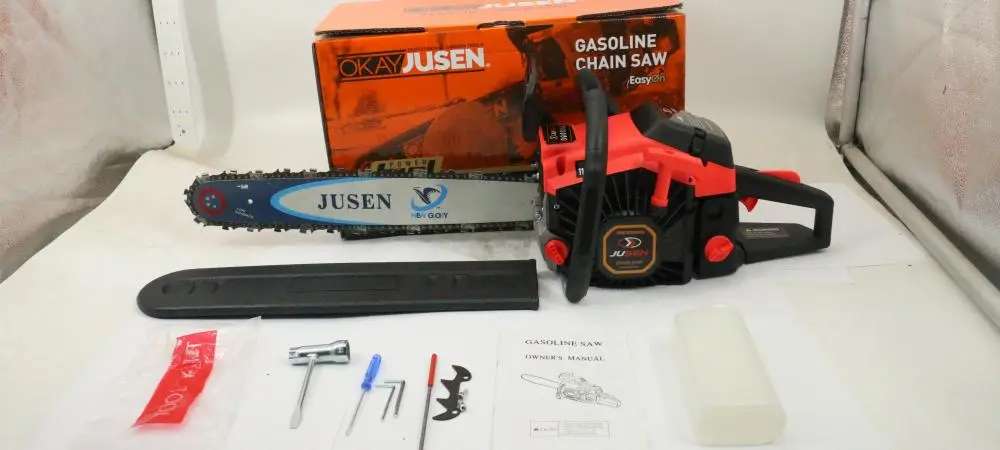
The 58cc gas chainsaw is a decent compromise between consumer-level versions and full-on professional forestry saws. The JUSEN JS-CS5800W, with a rated output of 2.4 kW, is an example of the combination of cutting performance and user comfort in this displacement class. The design of the chrome-plated cylinder and magnesium metal crankcase keeps heat management consistent over lengthy cutting sessions. This avoids the overheating problem that plastic-cased alternatives have.
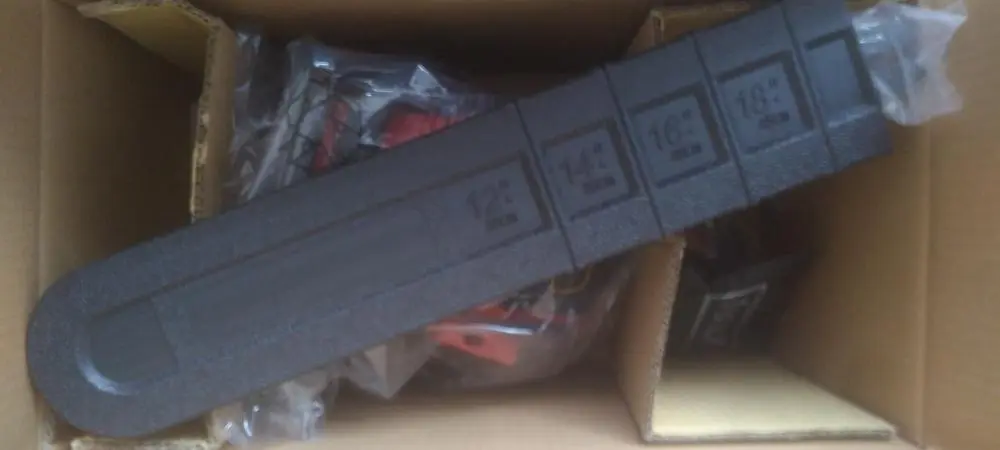
This power class includes guide bar lengths from 18 to 24 inches, enabling operators to select the proper bar size for the operation. Bar lengths of 18 inches or less are ideal for limbing and precision work, while 20- to 22-inch bars are excellent for felling medium-sized trees. The anti-vibration technology in excellent models will prevent fatigue in your hands and arms after extended durations of use. This is a big ergonomic concern for pros who spend hours at the saw.
Major Industrial Applications
Tree service contractors rely on this power category while working on job sites where mobility is a must, yet cutting power can't be sacrificed. High torque output while cutting through 16-20 inch diameter oak, maple, or hickory protects the chain from stopping, a typical problem with consumer saws not strong enough. CDI ignition system, a quick-start CDI ignition system, as it ensures the machine functions dependably even when dealing with wet or twisted wood in a hurry.
This equipment is used by farmers to maintain fence lines, remove overgrown vegetation, and handle woodlots. The all-position carburettor guarantees the same quantity of fuel is delivered regardless of the angle the blade is at. This allows operators to decrease overhead, operate on slopes, and still not lose performance. The continuous RPM stability maintains chain speed stability even under load, which is a boon to firewood processors. This will reduce the time it takes to spin each cord of wood.
Operating Safety and Maintenance Work
The trick to making an engine last a long time is employing the correct fuel mixture ratios. JUSEN standards require a 40:1 or 50:1 gas-to-oil ratio using JASO FD-rated two-stroke oil. This combination prevents carbon build-up on the piston head and gives the connecting rod bearings exactly the correct quantity of oil. Check and clean the air filter after every five hours of usage. Air-to-fuel ratio will be affected by a blocked filter, causing rich running, which wastes fuel and reduces power production.
To keep the chain, you need to get the tightness and sharpness exactly perfect. The automatic oil pump may be set to supply more bar oil while operating in cold weather or cutting resinous softwoods. This ensures that the chain and bar are well greased. Inspect the chain brake operation before each use. The safety function must work within 0.12 seconds of the return event based on ISO 11681-1 requirements.
Benefits and Performance Analysis of 58cc Gas Chainsaws
Power-to-Weight Ratio Advantages
A good model like the JS-CS5800W has a dry weight of about 7.8 kg, which gives it about 0.31kW per kilogram. This is a good number that gives it a lot of cutting power while still being easy to use all day. This balance is especially helpful when working from ladders or overhead, where too much weight can make the person tired and less accurate with their controls. The magnesium parts help to lower the weight without affecting the structure's ability to withstand high-RPM vibration loads.
When you compare this to electric alternatives, you can see that they are very different in how well they work for different uses. Battery-powered chainsaws don't need to be mixed with fuel and make less noise, so they're great for use in homes and other enclosed spaces. But because they have limited runtime and less torque, they can only be used for lighter-duty tasks. Corded electric models fix the problem of runtime, but they make it harder to move around, which isn't good for forestry work or property maintenance that needs to be done from afar.
Real-World Performance in Demanding Conditions
Commercial gardening firms say that this displacement range works better for daily, nonstop use than smaller 45cc models, which tend to overheat when used beyond their intended limits. The chrome-plated cylinder bore keeps compression ratios stable over long service intervals, and the separate cylinder design makes rebuilding the engine when wear happens a cost-effective option. Professional users say that if you keep up with the care, your engine will last longer than 1,000 hours before it needs major repairs.
When testing against bigger 62cc platforms, the speed gap gets a lot smaller when the right-sized guide bars are used. The bigger displacement is better for cutting large-diameter wood with 24-inch or longer bars, but the lighter weight of the 58cc configuration speeds up cutting in smaller pieces where maneuverability is more important than raw power. Because of this, it is the best choice for workers who have to cut things in a variety of situations during the course of their day.
Buying Guide: How to Choose the Best 58cc Gas Chainsaw for Your Business
Critical Evaluation Factors
Specifications for 58cc gas chainsaws should be carefully looked over and not just based on displacement numbers. Check to see how much power it really puts out. Reliable models in this class should have ratings between 2.4 and 2.6kW. Some companies lie about the displacement numbers they give or use good testing settings to make performance claims that aren't true. It's also important to know the idling speed; for optimal performance, the engine should stay at about 3,000 RPM when it's not moving, which is fast enough to keep the clutch disengaged but slow enough to avoid chain rotation.
Professional-grade equipment is different from consumer models because it has safety features. Check to see if the chain brake is properly built so that it covers the whole top handle and keeps the operator's hand safe during kickbacks. A broken or derailed chain won't whip back toward the user because of the chain catcher placed below the bar. When it comes to reducing performance and service life, anti-vibration mounts with steel springs instead of simple rubber isolators are better.
Warranty Coverage and Service Network
Because JUSEN is confident in the quality of the JS-CS5800W's construction, it offers a one-year warranty that covers manufacturing flaws and early component failure. It should be clear in the warranty terms what normal wear and tear is and what defects are covered. Consumables like chains, bars, and air filters are usually not covered. The availability of new parts and skilled service shops in your working region is more important than the length of the guarantee.
Custom orders are made in 20 to 25 business days, which gives procurement managers time to plan their inventory needs and look at OEM customization options. Custom color schemes, changes to the packaging, and changes to the specifications can be made to meet the branding needs of distributors who are just starting to do business. Volume pricing usually starts to apply when you buy more than 50 units, and you can get even bigger savings for shipping by container load.
Matching Features to Operational Requirements
For felling operations, 20- to 22-inch configurations work best because they offer the most raw power and bar capacity. When cutting resinous plants that use up bar oil quickly, the adjustable oil pump is a must. Companies that clear sites for construction work like quick-start systems and settings that are easy for less experienced workers to use. Agricultural users often choose 18-inch bar sets that are lighter so they don't get tired after working on fences and moving brush for hours on end.
Garden shops and stores that sell tools should keep a variety of bar lengths on hand to meet the needs of a wide range of customers. The modular guide bar design lets customers change or upgrade configurations as their needs change, which gives them service options after the sale. Including extra chains, bar oil, and safety gear with purchases raises the initial transaction value and makes sure customers have the supplies they need to start using the goods right away.
Procurement Insights: Where and How to Buy 58cc Gas Chainsaws
Sourcing Through Verified B2B Channels
Buying directly from manufacturers means you'll get the best prices, customisation options and technical support. Throughout its 20-year existence, JUSEN has cooperated with famous foreign names, and this is proof of its competence in the area of OEM manufacturing and quality control requirements. Direct procurement means you don't have to pay markups to distributors, and you can obtain technical advice if you need to adjust the specs to satisfy local standards or for a unique use case.
Online business-to-business (B2B) marketplaces do provide pricing comparisons, but check out the suppliers carefully. Look for a business licence, quality certifications relevant to your target market, and feedback from genuine consumers. If it's a new source, especially, ask for samples before placing big orders. The expense of the sample is repaid by smarter purchase decisions that avoid the rejection of expensive and time-consuming manufacturing runs.
Understanding Total Cost of Ownership
The purchase price is only one part of the costs of the Gasoline chainsaw 58 cc. Long-term operational costs are affected by how much fuel is used, how often it needs to be maintained, and how easy it is to get replacement parts. Models with standard spark plugs, universal air filters, and common chain pitches need less inventory and are easier to buy. Two-stroke engines that are properly tuned usually use between 0.4 and 0.6 liters of fuel per hour. This means that you can plan your budgeting around fuel costs.
When adding new tools to an established business, the cost of training should be taken into account. To cut down on training time, choose models with easy-to-use controls and complete user instructions. Some suppliers, like JUSEN, offer expert consultation services that help with setting up correctly, planning upkeep, and fixing problems. This help is especially helpful for businesses that want to offer more services or enter new market areas.
Conclusion
Finding the right equipment means finding a balance between the amount of power needed, the needs of the operation, and the available budget. The JS-CS5800W is an example of how modern engineering can deliver professional-level performance at a price that most people can afford. Its 2.4kW output, ability to work with a variety of bars, and long-lasting build meet the main needs of industrial landscapers, farmers, and property care workers. If you carefully look at the engine's specs, safety features, and the supplier's history, you can be sure that your investment will give you good service and a good return over its useful life. For businesses that care more about long-term value than short-term cost, this type of displacement offers the best mix of capability, sturdiness, and operational efficiency.
FAQ
What fuel mixture ratio should I use for my chainsaw?
For modern two-stroke engines to work, the gasoline-to-oil ratio needs to be either 40:1 or 50:1. They also need high-quality JASO FD two-stroke oil. Never use motor oil from a car. It doesn't have the right ingredients for two-stroke engines and will break down quickly. Mix fuel in containers that are approved, and use it within 30 days to keep it from breaking down.
How does this compare to battery-powered alternatives?
For difficult tasks, gasoline engines have longer run times and more power. Battery models are good for light-duty home use, but they don't have the long-lasting power that is needed for business logging or cutting all day. Gas-powered tools are necessary for professional work because they can be refueled quickly, instead of having to wait hours for batteries to charge.
What maintenance schedule should I follow?
Every five hours, check the air filter and clean or replace it if it needs it. Sharpen the chain every time you cut a cord of wood or whenever you notice that it's not cutting as well. Check the spark plug every three months and replace it once a year. To keep the exhaust from getting clogged, clean the spark arrestor screen once a month. When not in use for a long time, store equipment with a fuel stabilizer.
Partner with JUSEN for Professional-Grade Chainsaw Solutions
Since 2004, JUSEN has been making high-quality yard tools and outdoor power equipment for professional landscapers, distributors, and forestry businesses around the world. Our JS-CS5800W model has both modern tech and low prices. It also comes with a one-year guarantee and full quality control. As a well-known company that makes 58cc Gas Chainsaws for sale, we offer bulk orders, OEM customization, and private labeling programs that help new brands get a foothold in the market.
Purchasing managers looking for dependable suppliers will like that we have a history of working with international brands and can adapt our specifications to meet the needs of different regions. You can email our technical team at Sales1@cnjusen.com to talk about your specific needs, get more information about a product, or get a quote for your next order in bulk. We'd love the chance to show you how our manufacturing skills and dedication to stable quality can help your business grow.
References
1. International Organization for Standardization. (2011). ISO 11681-1: Machinery for forestry – Portable chainsaw safety requirements and testing – Part 1: Chainsaws for forest service. Geneva: ISO Publications.
2. American National Standards Institute. (2017). ANSI B175.1-2012: Safety Requirements for Gasoline-Powered Chain Saws. New York: ANSI Standards Committee.
3. Forest Products Laboratory. (2010). Wood Handbook: Wood as an Engineering Material. Madison, WI: United States Department of Agriculture Forest Service.
4. National Institute for Occupational Safety and Health. (2014). Logging Safety Manual: Chainsaw Operation and Maintenance. Atlanta: Centers for Disease Control and Prevention.
5. Society of Automotive Engineers. (2018). SAE J1349: Engine Power Test Code – Spark Ignition and Compression Ignition. Warrendale, PA: SAE International.
6. Portable Power Equipment Manufacturers Association. (2019). Two-Stroke Engine Maintenance and Troubleshooting Guide. Cleveland: PPEMA Technical Publications.

USER EVALUATE
Here is the customer's evaluation of us
 VIEW MORE2‑Gears Adjustable Opening Garden Tree Cutter
 VIEW MORE2T BLADE
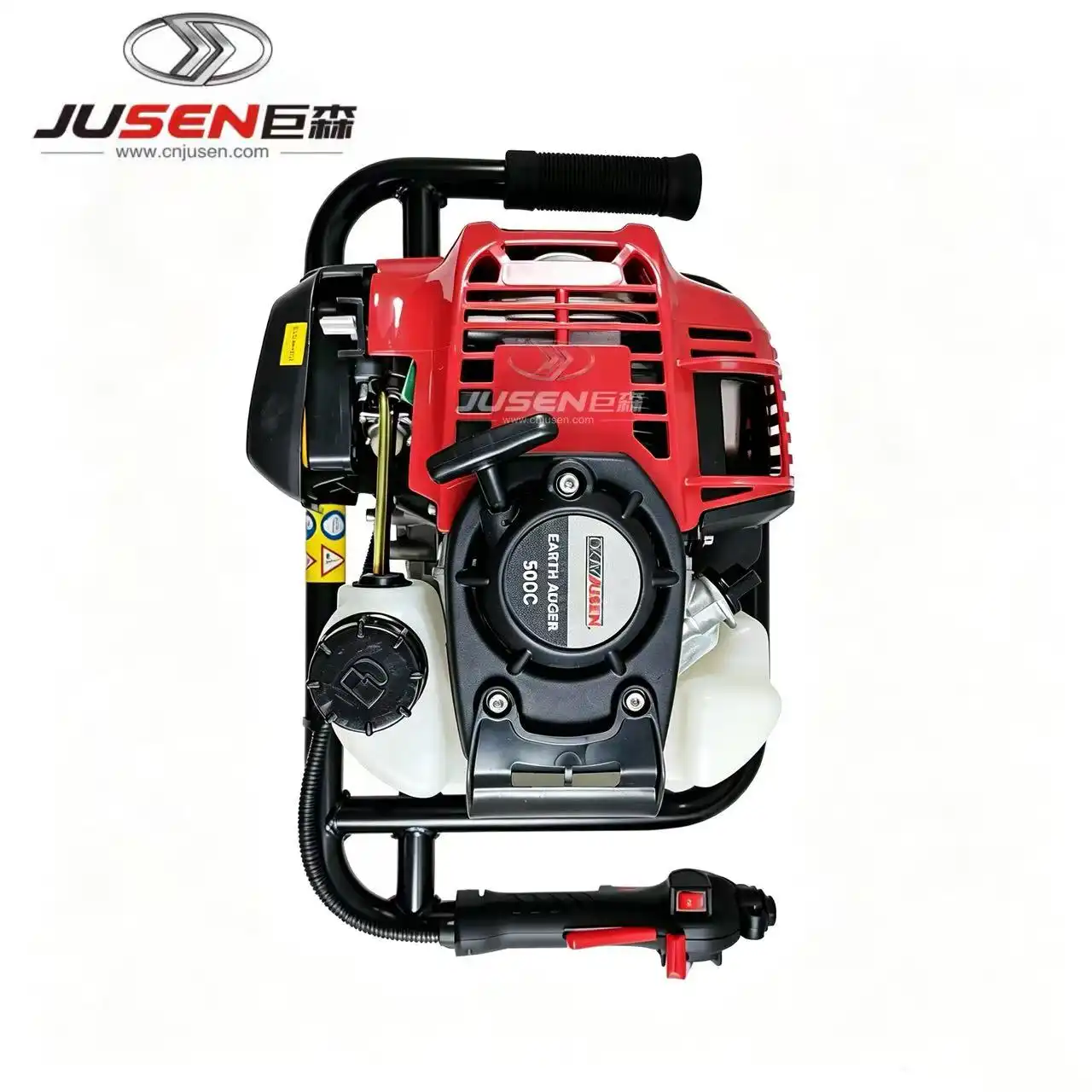 VIEW MOREGX50 Gasoline Earth Auger
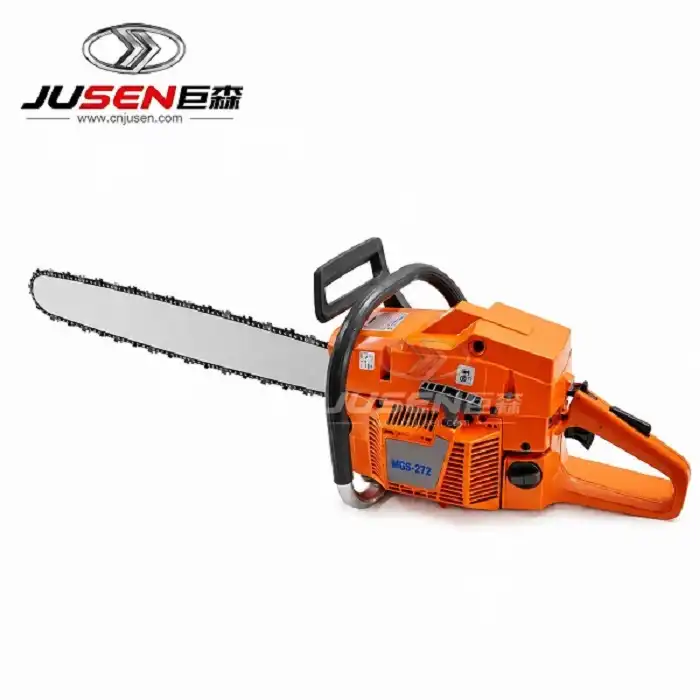 VIEW MOREH61 chainsaw 2 stroke high power
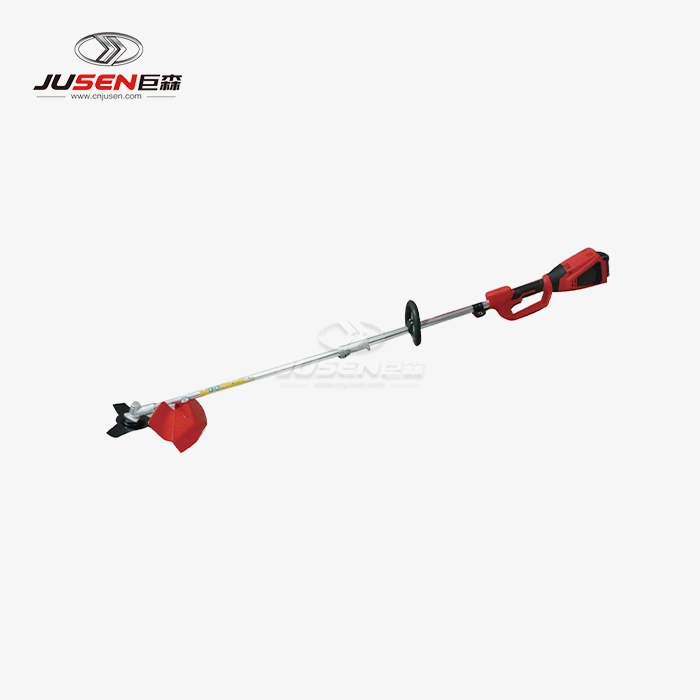 VIEW MOREElectric Grass Brush Quotation
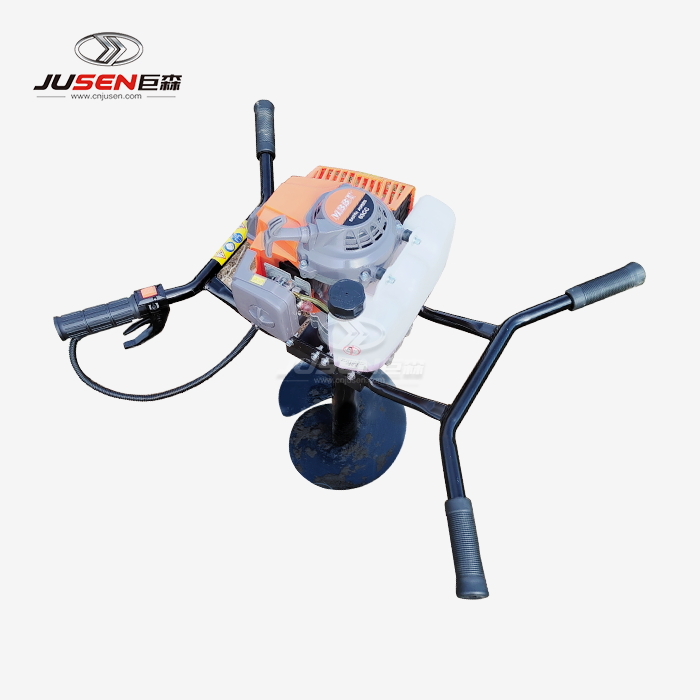 VIEW MORE63cc Double-Handed Grip Handle Earth Auger
 VIEW MORELightweight And Portable Lithium-Ion Battery Powered Branch Pruner
 VIEW MORE42.7 2-Stroke Gas Weed Eater