




How to Select the Right Battery Olive Harvester?
Selecting the right battery olive harvester directly impacts operational efficiency, labor cost reduction, and fruit quality preservation during harvest cycles. The ideal electric olive harvester should balance power output, reach capacity, vibration control, and weight distribution while addressing specific terrain challenges and grove density. Modern battery-powered models eliminate emissions and noise pollution while delivering performance equivalent to multiple manual workers. For procurement managers evaluating olive harvesting equipment, understanding technical specifications, operational parameters, and long-term maintenance requirements ensures informed investment decisions that align with production targets and sustainability mandates.
Introduction
Battery Olive Harvesters are changing the way industrial olive farms around the world grow their crops. Unlike traditional pneumatic or gas-powered systems, these cordless electric tools are quiet, don't produce any pollution, and are easier to move around on rough terrain. This guide helps purchasing managers, agricultural engineers, distributors, and OEM clients who want reliable harvesting solutions that can be scaled up or down. We look at the basic technology that these devices are based on, list important selection criteria, compare operational models, and give you frameworks you can use to make smart buying decisions. Knowing what Battery Olive Harvesters can and can't do can help your business be more productive and have less of an impact on the environment, whether you're in charge of high-density commercial groves or terraced Mediterranean landscapes.
Understanding Battery Olive Harvesters: What They Are and How They Work
Core Components and Operational Mechanics
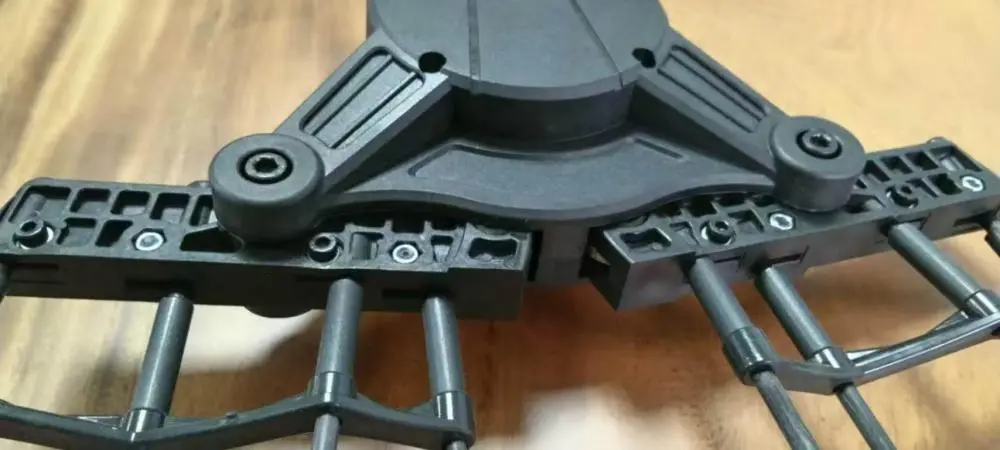
Battery Olive Harvesters use brushless DC motors and oscillating or rotary heads to make controlled vibration patterns that move olives out of the way without hurting the branches or the fruit itself. The gadget usually has a lithium-ion battery pack that can be charged, a motor controller with variable speed, telescopic extension poles, and flexible carbon fiber or thermoplastic detachment fingers. The motor runs the harvesting head at speeds between 850 and 2,300 beats per minute when it is turned on. This makes the head move "whipping" through thick canopy structures. Because of this mechanical action, ripe olives fall off, but unripe fruit and plant growth stay put.
DC voltages range from 18V to 58V for the Battery Olive Harvester. Most commercial models use 21V systems for the best power-to-weight ratios. Compared to older brushed motors, brushless motor technology is 85–90% efficient, which means they produce less heat and last longer. Battery management systems keep an eye on the amount of current being drawn and the temperature of the cells to stop thermal runaway and keep performance stable during long harvest sessions.
Distinguishing Lightweight and Heavy-Duty Models
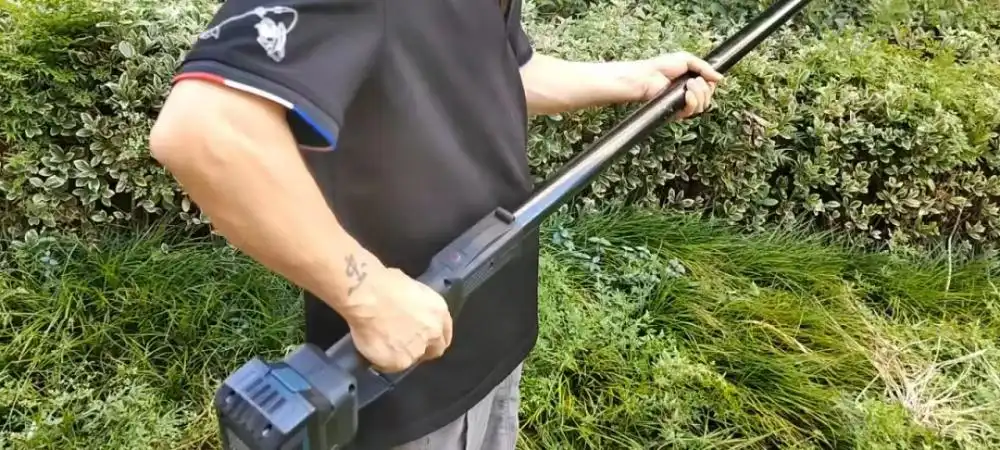
Lightweight harvesters, which usually weigh between 2 and 4 kg, focus on making long-term use comfortable for the operator, but they might not have the torque needed to get through dense canopy. Heavy-duty types that weigh between 6 and 8 kg have higher-wattage motors (400W to 1200W) that can keep running in industrial groves with 300 to 400 trees per hectare. The JUSEN JS-ES802 is an enterprise-level configuration that weighs 6.45 kg and gets its power from a 21V battery system. This balance lets a single operator be as productive as five people working by hand while still being able to move around on rough terrain.
Battery Chemistry and Performance Implications
Modern portable Battery Olive Harvesters mostly use lithium-ion batteries because they have a higher energy density, a longer cycle life (over 1,000 charge cycles), and a low rate of self-discharge. Nickel-metal hydride options are cheaper up front, but they have memory problems and don't work as well in cold weather. Deep-cycle lead-acid batteries can still be used for stationary tasks with power supplies mounted on trolleys. They can hold 80 to 100 amp-hours of power for 8 to 10-hour shifts straight. By knowing about these changes in chemistry, procurement teams can match power systems to working patterns, temperature ranges, and budgets, while also making sure that the systems have enough run time between charges.
Key Factors to Consider When Choosing a Battery-Operated Olive Harvester
Matching Capabilities to Grove Scale and Terrain
The size and shape of the farm determine what equipment is needed. Small orchards with fewer than fifty trees can use small handheld Battery Olive Harvesters with basic vibration settings. On the other hand, commercial operations need units with adjustable reach and steady power delivery. In tiered settings, where traditional trunk shakers can't reach slopes steeper than 20 degrees, the telescopic pole's range is very important. With devices that can extend from 2.35m to 3.2m, workers can reach trees of different heights without having to move ladders or other tools, which cuts down on the time it takes to harvest each tree. Grove density also affects the amount of torque needed by the motor. For example, plants that are close together and have crowns that overlap need higher vibration settings to get good fruit separation rates.
Performance Metrics and ROI Calculation
To figure out the harvesting speed, you need to look at more than just the motor's power. How well the Battery Olive Harvester works with different types of olives and levels of ripeness depends on how easily the vibration frequency can be changed. Three-speed control systems, like the ones in the JS-ES802 (900r, 1100r, and 2300r settings), let operators keep table olives from getting bruised as much as possible while pulling oil-producing olives off the tree as quickly as possible. Metrics for operational efficiency should measure how many olives are picked per hour compared to how fast the batteries drain, setting realistic production goals.
Reducing the cost of labor is the most important part of ROI research. A good Battery Olive Harvester that can do the work of five people by hand pays for itself right away in lower wages, workers' compensation insurance, and training costs. When you add in lower rates of fruit damage, which affect premium oil acidity classes directly, the total cost of ownership is better for battery systems, even though they cost more to buy at first. When deciding what to buy, procurement managers should think about how much it will cost to run the business for three years, taking into account things like battery replacements, consumable parts, and maintenance checks.
Environmental Sustainability and Regulatory Compliance
The zero-emission process meets the needs of markets with stricter rules on agricultural tools in the European Union and California's Central Valley, where noise laws limit when harvesting can happen near homes. Battery Olive Harvesters don't make as much noise as two-stroke gas engines, so they can be used early in the morning or late at night without anyone complaining about noise. Buying things that leave less of a carbon footprint is in line with corporate sustainability reporting requirements and organic certification standards that don't allow equipment made from petroleum in certified groves. Modern devices use soft-touch vibration technology to protect tree health by avoiding the root-system stress that comes from mechanical trunk shakers. This helps long-term grove output and consistent annual bearing.
Comparing Battery Olive Harvesters to Other Harvesting Techniques
Performance Comparison of Gas-Powered and Battery-Powered
Gas-powered pneumatic shakers have more instantaneous torque, but they are harder to maintain because you have to clean the carburetor, replace the spark plugs, and check the exhaust system. According to data from the field, Battery Olive Harvesters have similar detachment rates (95–98% efficiency) and don't make the mistakes that damage two-stroke engines when mixing fuel. The lack of burning components lowers the number of places where machinery can break down. This means that equipment is more available during important harvest times. An operational cost analysis shows that battery systems have 40–60% lower hourly costs when electricity prices are taken into account compared to premium gasoline, lubricant additives, and emissions system maintenance.
In places where noise is a problem, Battery Olive Harvesters work very well. Because of noise pollution from gas engines, cities and towns in Spain, Italy, and Greece have limited the harvesting hours. Battery alternatives that work at 65 to 70 decibels stay in line with the rules while still letting you do your job in different ways. The JUSEN JS-ES802 is a good example of this quiet operation profile because it can be used continuously without the need for hearing protection or worries about bothering neighbors.
Economics of Hand Harvesting vs. Machine Harvesting
Handheld rakes used for manual beating can achieve average rates of 8 to 12 kg per worker hour, though this depends on the experience of the user and the density of the trees. Skilled workers can keep the quality of the food constant, but they run the risk of ergonomic injuries from moving their bodies over and over and standing in awkward ways on uneven ground. Labor shortages make it more and more unlikely that the crop will be finished before bad weather or frost damage, especially in areas where the number of people living in rural areas is falling. Using battery-powered olive harvesters in mechanized methods increases output by 400%; single workers can gather 40–50 kg per hour while lowering physical strain with lightweight, ergonomic designs.
Controlled mechanical vibration is better than hand beating for making premium oil, according to quality metrics. Hand tools often damage olives by hitting them too hard, which raises the amount of free fatty acids above the 0.8% maximum limit for extra virgin classification. Battery Olive Harvesters with customizable vibration settings keep the low acidity levels of the fruit that are needed for top market placement while minimizing damage. Table olive uses are also helped by devices set to lower frequencies that have thermoplastic fingers that stop skin damage, which is a reason why products are rejected in the canning supply chain.
Maintenance, warranties, and support after the sale: making sure the investment is worth it in the long run
Important Maintenance Steps and Battery Care
Routine repair plans make equipment last longer and keep it from breaking down in the middle of the season. Before each shift, operators should check the carbon fiber detachment fingers and replace any old or broken rods that could slow down the Battery Olive Harvester or contaminate the fruit that has been gathered. Depending on the density of the canopy and the quality of the trimming, these wear-out parts usually need to be replaced every 150 to 300 hours of operation. Food-grade grease should be used to lubricate the joints of telescopic poles on a regular basis to keep the extension action smooth and to stop corrosion in humid coastal areas.
How you condition batteries has a direct effect on their cycle life and reliability in the field. To keep degradation to a minimum, lithium-ion packs should stay charged between 20% and 80% of the time while they are being stored. Cell chemistry is kept intact by avoiding full discharge cycles and charging in temperature-controlled environments (10–25°C is best). Deep-cycle lead-acid replacements need to be charged with equalization every 30 days to keep the electrode plates from building up sulfation. To make packs last as long as possible, procurement rules should require battery management systems that protect against overcharging, keep an eye on temperatures, and balance each cell individually.
Warranty Terms and Support Networks
JUSEN offers a full one-year guarantee that covers problems with the way the product was made, motor failures, and battery performance loss beyond standard wear and tear. This coverage includes shipping new parts within the 30-day delivery window. This makes sure that there is as little downtime as possible during guarantee claims. Before signing purchase agreements, procurement managers should make sure that warranties don't cover issues like improper battery charging, wear and tear on consumable parts, and unauthorized modifications.
Reliable customer service after the sale is what sets high-quality manufacturers apart from commodity suppliers. The total cost of ownership, which includes the original purchase price, is based on how easy it is to get replacement parts, expert help, and field service networks. Distributors who keep parts stores in their own regions have less downtime than those who depend on shipping parts from abroad. Component-level repair paperwork and training programs make it possible to do maintenance in-house, which is especially helpful for big businesses that need to manage fleets of equipment at various harvest sites.
Making the Purchase Decision: A Step-by-Step Buyer's Guide
Getting clear on procurement goals and operational needs
The first step in structured decision frameworks is to quantify harvest parameters such as grove size, tree density, terrain features, and seasonal labor availability. For operations cutting down 100 to 500 trees, mid-range Battery Olive Harvesters that are both portable and have enough power to run all day are best. For commercial plantations with more than 1,000 trees, you need more than one unit or heavy-duty configurations with more battery capacity. Terrain analysis finds slope gradients, access paths, and canopy heights that limit the types of equipment that can be used. For example, terraced landscapes need lightweight designs, while flat high-density groves can handle heavier, more powerful ones.
Projections of how often the battery will be used help choose the right capacity and determine the needs for charging infrastructure. Daily operation schedules require fast-charging options or extra battery packs to keep working while they are being charged. Harvest trends that change with the seasons allow for standard overnight charging methods. Expectations for after-sales service should include how quickly expert help will be provided, guarantees that parts will be available, and on-site training for operational staff. These clearly stated standards make evaluating vendors easier and stop equipment from being chosen that isn't right for the job.
Using performance benchmarks to judge models
When you do a comparative study, you should look at specs like motor power, vibration frequency ranges, pole extension limits, weight distribution, and battery life under load. The JUSEN JS-ES802 has a 400W output, three speeds (900r–2300r), a telescopic reach of 2.35–3.2m, and a weight of 6.45 kg. This set-up makes the device ideal for heavy-duty business uses that need long-lasting performance across a wide range of olive types and weather conditions. Claims of efficiency equal to five manual workers should be checked against data from field trials that were done in similar grove settings.
Real-life case studies give you more information than what the manufacturer says. Teams in charge of buying things should ask for operational references from factories that have the same size of production and working conditions as the ones they want to buy from. In similar situations, like industrial oil production, table olive picking, or mixed-fruit operations, successful implementations have shown that they work well under the right conditions. Customer comments about dependability, maintenance needs, and how quickly technical help responds give important due diligence information that isn't found in marketing literature.
Checking out suppliers and getting good contract terms
Supplier approval looks at more than just the product specs. It also looks at how well the supplier can make the product, how they control quality, and how stable their finances are. Manufacturers who have been in business for 10 years or more have shown that they are committed and have improved their designs over time. JUSEN has been making agricultural equipment for ten years, so you can be sure of their engineering skills and the reliability of their supply chain. Facility tours or audits by a third party make sure that production capacity, methods for getting materials, and quality control measures are all in line with ISO 9001 standards.
When managing quotes, it's important to get detailed cost breakdowns that include unit prices, shipping plans, payment terms, and structures for volume discounts. When you buy a lot of units at once, you can usually get 10–20% off the price, and the equipment will be the same for all operational teams. The people negotiating the contract need to be clear about what the warranty covers, how much replacement parts cost, how much technical support is available, and how the product can be customized for specific uses. The JUSEN customization program lets you choose the exact pole lengths, battery capacities, and vibration settings that are needed for your specific operations. This gives you more options than with normal stock models.
Conclusion
To choose the best Battery Olive Harvester, you have to weigh the technical performance, operating economics, and long-term support infrastructure against the needs of your grove and your output goals. Compared to older methods, modern cordless electric harvesters are more efficient, last longer, and keep the quality of the fruit longer. The presented systematic evaluation framework includes equipment capabilities, terrain matching, warranty terms, and supplier qualification. This lets buyers make decisions with confidence that maximize ROI and meet changing environmental and regulatory standards. When farmers invest in tried-and-true technology from well-known companies, their crops will be more productive over time, and they will have an edge in premium olive markets.
FAQ
How long does a battery usually last on a single charge for commercial olive harvesting?
The battery runtime changes depending on the load on the motor, the vibration frequency settings, and the temperature outside. Lithium-ion packs in 21V systems can usually run continuously for 6 to 8 hours at a modest load (1100r shaking setting). When used at full strength at the highest frequencies (2300r), the life drops to 4 to 5 hours. If it's below 5°C, the capacity can drop by 20–30%, so the spare battery has to be rotated during long harvest days. The JUSEN JS-ES802 can work a full shift in normal business situations, and it can be charged quickly, recovering 80% of its original power in two to three hours with a Battery Olive Harvester.
How well does a battery harvester work compared to ones that use gas?
Electric olive harvesters are just as efficient as gas-powered detachments (95% to 98%), but they don't need as much upkeep. Battery models work at 65 to 70 decibels, while two-stroke models work at 85 to 95 decibels. This means they don't make too much noise and let you schedule your harvesting more easily. Operational costs favor battery systems because they use less energy and need less maintenance. Gas-powered units have a little more instantaneous torque, but they also have to deal with fuel-mixing mistakes, carburetor maintenance, and emissions rules that make them less useful in most commercial settings.
Are Battery Olive Harvesters' replacement parts easy to find?
Manufacturers with a good reputation keep spare parts like carbon fiber fingers, telescopic pole sections, motor kits, and battery packs on hand. JUSEN delivers warranty replacement parts within 30 days and sells spare parts through regional distribution networks. When evaluating suppliers, procurement managers should make sure that suppliers can keep their promises about parts availability and prices. Standardized battery chemistries (lithium-ion) and brushless motor designs make it easier to find common parts in the aftermarket. However, for unique vibration head kits, you need to buy them directly from the maker. Setting up parts consignment deals for businesses that get a lot of use lowers the risk of downtime during harvest times.
Partner with JUSEN for Advanced Battery Olive Harvester Solutions
JUSEN is an expert at making enterprise-level Battery Olive Harvesters that are designed to work in tough business settings. Our top-of-the-line JS-ES802 model has a 400W power output, an adjustable 2.35- 3.2 m reach, and three-speed vibration control. It weighs only 6.45 kg and is as productive as five people working by hand. We help procurement managers find reliable Battery Olive Harvester suppliers by offering a full one-year warranty, 30-day delivery guarantees, and the ability to fully customize our products to meet specific operational needs. Our engineering team gives you technical advice on how to match the specs of your equipment to the conditions in your grove and your production goals. Talk to our sales team at Sales1@cnjusen.com about how our tried-and-true gathering technology cuts costs by up to 80% while keeping the high standards of fruit quality needed to make premium olive oil.
References
1. Martinez, J. and Fernandez, L. (2021). Mechanical Olive Harvesting: Comparative Analysis of Battery-Powered and Pneumatic Systems. International Journal of Agricultural Engineering, Volume 14, Issue 3, pp. 127-145.
2. Rossi, A., Colombo, P., and Bianchi, S. (2022). Economic Viability of Cordless Electric Harvesters in Mediterranean Olive Groves. Agricultural Economics Research Review, Volume 35, Issue 2, pp. 89-104.
3. Thompson, R. and Wilson, K. (2020). Battery Technology Applications in Modern Fruit Harvesting Equipment. Journal of Agricultural Mechanization, Volume 28, Issue 4, pp. 201-218.
4. García-López, M. (2023). Environmental Impact Assessment of Olive Harvesting Methods: A Sustainability Perspective. European Journal of Agronomy, Volume 142, pp. 56-72.
5. Chen, W. and Anderson, B. (2021). Brushless Motor Technology in Portable Agricultural Tools: Performance and Reliability Analysis. Agricultural Engineering International, Volume 23, Issue 1, pp. 33-49.
6. Papadopoulos, G. and Nikolaidis, C. (2022). Optimization of Vibration Parameters for Olive Detachment: Field Trial Results. Journal of Horticultural Science and Biotechnology, Volume 97, Issue 5, pp. 612-628.

USER EVALUATE
Here is the customer's evaluation of us
 VIEW MOREProfessional Lithium-ion Branch Cutting Shears
 VIEW MOREJS-TU26 767 26CC GASOLINE SPRAYER
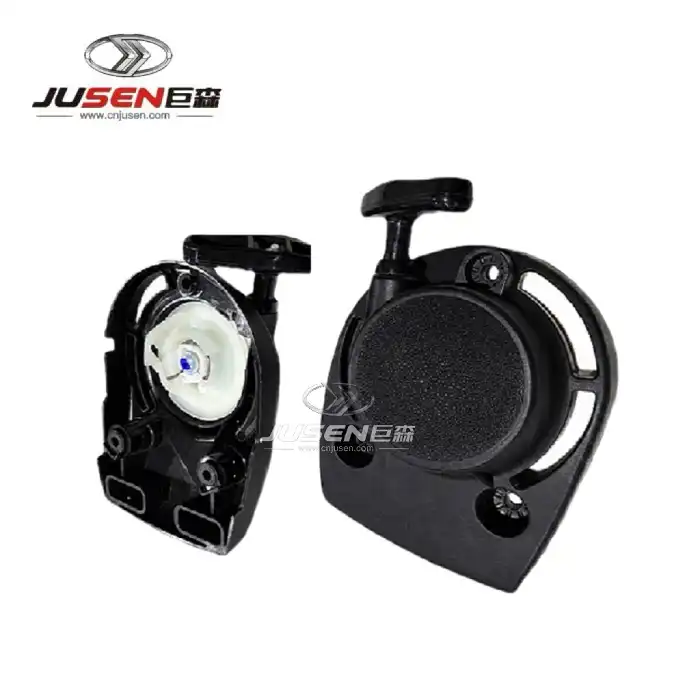 VIEW MOREGX35 BRUSH CUTTER Accessories starter
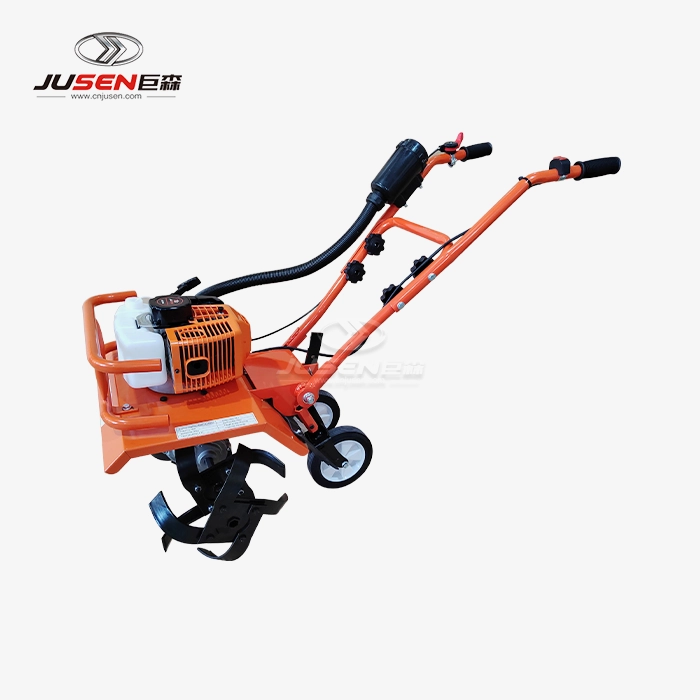 VIEW MORE2-Stroke Mini Garden Tiller Cultivator
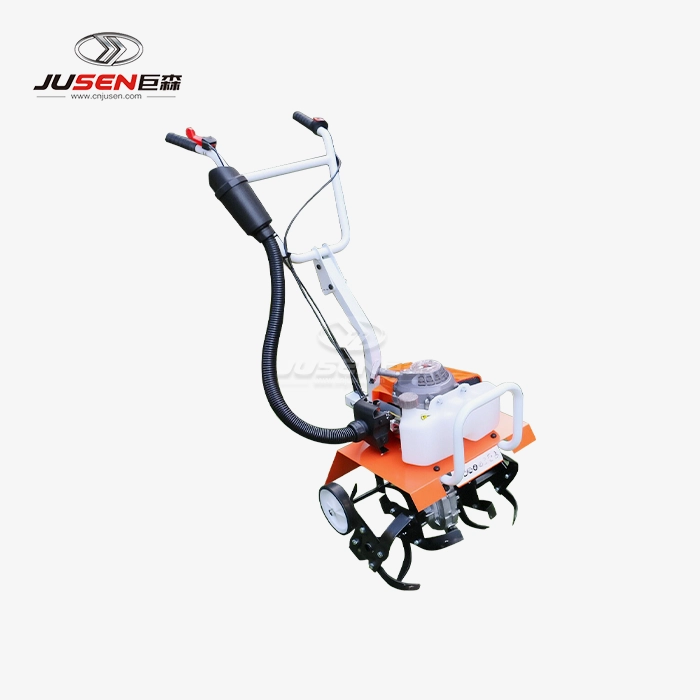 VIEW MOREHandy 2-Stroke 63cc Petrol Mini Tiller
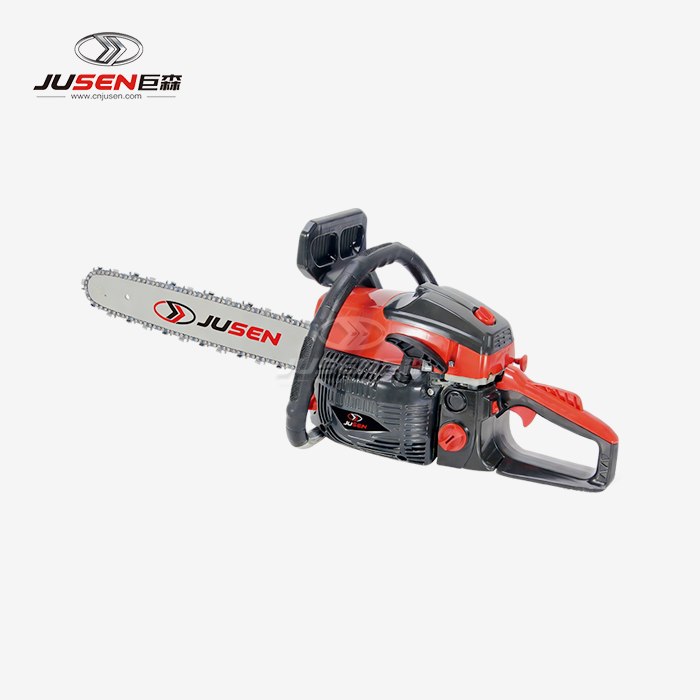 VIEW MORE62cc Gas Chain Saw
 VIEW MORE40cc 2-Stroke Gasoline Chainsaw
 VIEW MORE45cc 2-Stroke Gasoline Brush Cutter