




Which Bits Fit a Heavy Duty Earth Auger Power Head?
Selecting the right auger bits for your power head is crucial for operational success. A Heavy Duty Earth Auger Power Head typically accepts bits with standardized shank connections—most commonly 2-inch hex or 2.5-inch hex shaft configurations. The compatibility depends on torque output, motor capacity, and intended soil conditions. JUSEN's power head, equipped with a robust 63cc 2-stroke engine delivering 2.3KW output at 2800rpm, accommodates bit diameters ranging from 80mm to 300mm with 800mm drilling depth, making it versatile for tree planting, fence installation, foundation work, and utility projects across construction, agriculture, and landscaping sectors.
Understanding Heavy Duty Earth Auger Power Heads and Auger Bits Compatibility
To make bits work together, you must first understand how power heads turn engine power into rotational force. The design framework of these machines tells them which bits give the best performance without putting the safety of the operators or the equipment at risk.
Design and Functional Components Influencing Compatibility
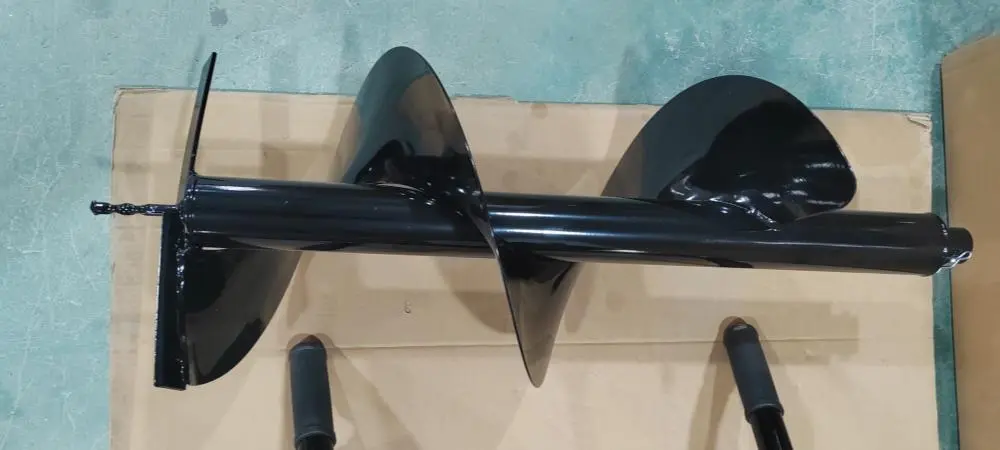
The transmission system is the most important part of any good power head. Our unit has a precisely designed gearbox that does a good job of distributing power. A standard link lets the output shaft connect directly to the auger bit, making sure that the two are securely engaged while the machine is running. The shaft and bit shank must perfectly line up with each other so that they don't slip, which can affect the accuracy of the drilling and speed up the wear on the parts.
Another important compatibility factor is torque capacity. The equipment produces enough spinning force for tough jobs thanks to its 2.3KW power output that stays at 2800rpm. The maximum bit diameter and soil resistance that the power head can handle well are set by this torque level. To keep the motor from stalling or getting too stressed, procurement managers should make sure that the bit specifications match or fall within the power head's torque range.
Types of Auger Bits and Their Professional Applications
Professional drilling needs different bit configurations depending on the type of dirt and the needs of the job. Standard spiral bits work best in loose to medium-density soils because they have constant flighting that takes waste out of the hole quickly. For agricultural uses like planting trees and making fertilizer pits, these bits work really well.
Rock auger bits have cutting teeth made of tungsten carbide that are meant to break through harder materials. Our power head works well on compacted clay and rocky ground, but when you pair it with carbide-tipped bits, you can work in tougher geological conditions. From 80mm to 300mm in diameter, it can fit everything from thin fence posts to bigger base holes.
Some types of specialty bits are sand augers with wider flights for unstable soil and clay-cutting bits with sharp teeth. When a power head can accept different bit sizes, it can be used for more than one type of drilling. This saves money for contractors who are managing a variety of projects.
Critical Compatibility Factors for Procurement Decisions
Bit shank standards say how the bit and power head should physically connect to each other in a Heavy Duty Earth Auger Power Head. When compared to round shafts, hex shafts are better at transferring power, which keeps the spin from slipping under load. When looking at different providers, make sure that the shank dimensions exactly match the specs for your power head. Even small differences can make operations dangerous.
Different applications have very different torque needs. It takes less rotational force to drill through fresh soil than through compacted fill or broken bedrock. Our 2-stroke engine has constant power across a range of resistance levels, but when choosing a bit, you need to think about how the soil will be. In high-resistance soils, bits that are too big can overload the motor, and bits that are too small in soft soils waste work capacity.
When procurement teams understand these compatibility principles, they can make decisions that make the best use of equipment while reducing operational risks. The way that bit specifications and power head features work together has a direct effect on project timelines, worker costs, and the life of the equipment.
Key Features and Benefits of Using the Correct Auger Bits
Getting the right bit for your power head will make drilling much more efficient and protect your investment in the equipment. If you make the right choice, you can avoid common operating problems and make all of the parts last longer.
Optimizing Drilling Performance and Reducing Operational Time
The right bit diameter and flighting design have a huge impact on how fast you can drill. The 2.3KW output of our power head works best when paired with bits that are the right size for the soil. In tests done in the field, bits that are properly matched cut drilling time by 40% compared to bits that are not properly matched. This directly lowers labor costs and raises the daily hole count.
How well torque is transferred depends on how well the shaft is engaged. The hex link makes sure there is no slack, which means that all of the engine power is turned into useful spinning force and not lost to friction. This effective power delivery lets operators dig foundation holes, install utilities, and put up fence posts more quickly while using less fuel per hole.
Minimizing Wear and Extending Equipment Service Life
Compatibility is directly related to how long a component lasts. When the bit shank and power head shaft are perfectly matched, stress is spread out evenly across all of the surfaces that are connected. This even spread of load keeps shaft splines and bit holes from wearing out too quickly, which greatly increases the time between replacements. When used with quality bits that meet the right specs, our drilling tools made of reinforced steel can drill thousands of holes without breaking.
When you choose the wrong bit, it causes vibration and wobble, which speeds up bearing wear and damages seals. These second failures usually cost more than the original bit buy, so choosing the right bit is an important part of the sourcing process. JUSEN's professional equipment has anti-vibration technology built in, but even the most advanced engineering can't fully fix parts that don't work together properly.
Safety Advantages Through Proper Bit Compatibility
The safety of the operator is probably the most important reason to choose bits carefully. When the shaft and bit slip, the equipment can move quickly, putting workers and onlookers in danger. The strong hex connection stops rotational slippage even when the torque load is at its highest, so the machine always acts in the same way during drilling operations.
When bits are adjusted properly, machine stability goes up a lot. The 8 kg light design of our Heavy Duty Earth Auger Power Head becomes unstable when paired with bits that are too heavy or not balanced correctly, making operation more difficult to control. The comfortable design works as it should because the parts are matched up. This keeps the operator from getting tired after long periods of use while still allowing for precise control in tough situations.
All of these benefits make up for the extra care that needs to be taken during procurement to make sure that bits work together. The performance gains, cost savings, and safety improvements are much greater than the small amount of work needed to make sure that specs match what the tools can do.
How to Choose the Right Auger Bits for Your Heavy Duty Earth Auger Power Head
When choosing a strategic bit, you have to look at a lot of things that affect how well it drills and how much it costs. This organized method helps purchasing managers make choices that meet the needs of the business and stay within the budget.
Evaluating Operational Needs and Project Applications
Bit design needs are based on the makeup of the soil. To break up cohesive materials and get rid of spoil quickly, clay soils need cutting teeth that are sharper and steeper flighting angles. When drilling in sandy or loose soil, the flighting needs to be wider to keep the hole from collapsing and to maintain the hole's integrity. When paired with the right bits for the job, our power head handles both extremes well.
The required drilling depth affects the choice of bit length. The 800mm bit length is long enough for most commercial uses, but extensions may be needed for deeper installations. When planning to install utility poles or do deep foundation work, make sure that the bits and extensions you can use keep the structure rigid at the maximum depth so that the holes stay straight.
Buying decisions are affected by the size of the project. Maintaining an inventory of stones with diameters ranging from 80 mm to 300 mm is helpful for contractors who are in charge of ongoing landscaping projects because it lets them respond quickly to changing job needs. Companies that work on specialized tasks, like preparing the base for solar panels, might focus on certain diameter ranges that meet standard installation requirements.
Assessing Bit Specifications and Material Quality
Steel type has a direct effect on how long bits last and how well they work. Bits made of high-carbon steel don't wear down easily in most situations, but bits made of alloy steel with hardened cutting edges last longer in rough soils. When looking at different suppliers, make sure you ask for material certifications that say the steel's composition meets drilling industry standards.
Coating methods offer extra performance advantages. Powder-coated finishes keep things from rusting while they're being stored and keep the soil from sticking together while digging, which makes it easier for the waste to be emptied. Some makers make special coatings that make it easier for motors to work in clay soils by reducing friction. This means that less power is needed, and the motor lasts longer. These more advanced features cost more at first, but they pay off by making the bit last longer and digging more efficiently.
Verifying size fit stops mistakes that cost a lot of money during buying. Make sure that the shank size and the overall bit diameter are both within the limits of the equipment. The six standard diameter options fit perfectly in our power head, but bits from different manufacturers may have small differences in size that affect how well they work or how well they fit.
Matching Torque Requirements and Fuel Efficiency Considerations
Optimizing torque matching strikes a balance between the ability to drill and the amount of fuel used. Running the engine close to its maximum power capacity gives you the fastest drilling speeds, but it also uses more fuel and wears out the engine faster. Conservative bit sizing keeps productivity levels acceptable while extending the life of equipment. Teams in charge of buying things should look at how the dirt usually is and choose bit sizes that keep power needs in the best range for efficiency.
For high-volume operations, fuel efficiency of a Heavy Duty Earth Auger Power Head is becoming more and more important. The 2-stroke motor design has a great power-to-weight ratio, but the amount of fuel it uses depends on how much it is being used. When drilling with the right-sized bits and in the right kind of soil, each tank can run continuously for 6 to 8 hours. However, when the tank is overloaded, the runtime is greatly reduced. When used in business settings, these differences in running costs add up to a lot.
This thorough evaluation framework helps procurement professionals choose bits that make the most of the equipment's capabilities while keeping costs low and ensuring reliable performance in a wide range of settings.
Maintenance Tips and Troubleshooting for Auger Bits and Power Heads
Preventive maintenance keeps your machine purchases safe and makes sure that drilling works the same way every time. Setting up regular inspection and care routines reduces the number of unexpected failures and increases the service life of parts.
Routine Inspection Methods and Early Wear Detection
Visual checks are done before each use to find problems before they become major ones. Check the cutting edges of the bits for chips, cracks, or too much dulling that makes drilling less effective. Look at the shaft connections for wear patterns that show they aren't lined up right or don't fit right. Parts can move around when connections are loose, which causes vibrations that hurt bearings and seals.
Keep an eye on how the drilling is going for early warning signs of component wear. If it takes longer to drill the same holes, it means that the cutting edges are getting dull or the engine is losing power. Noises or vibrations that don't make sense could be caused by worn bearings, bits that aren't adjusted, or issues with the shaft link. Taking care of these symptoms right away keeps small problems from getting worse and turning into major failures that need expensive repairs or replacement of parts.
Our equipment comes with a one-year guarantee that covers problems caused by poor manufacturing. However, proper upkeep is still needed to get the most out of the equipment's life. Setting up regular writing habits to keep track of operating hours, maintenance tasks, and performance metrics helps find trends that help with buying new parts and supplies.
Sharpening Best Practices and Bit Management
Bit cleaning keeps drills efficient and extends the life of the bit. Professional sharpening services with special tools are needed for carbide-tipped bits, but standard steel bits can be sharpened in the field with angle grinders as long as the right safety measures are taken. Keep the original shape of the teeth while they are being sharpened to keep the cutting efficiency and spoil evacuation characteristics.
Schedules for rotation spread wear evenly among the bits in stock. Instead of using the same bit over and over until it's fully worn, switching between bits lets the cutting edges cool down between uses, which lowers heat stress and increases the bit's total life. Most of the time, this method works really well in large projects where digging goes on all day.
Corrosion and unintentional damage can be avoided by storing things correctly. After using, clean the bits well to get rid of dirt and water, and then cover them with a thin layer of oil to keep rust from forming. Put bits on racks or shelves that keep them from bending or breaking at the edges. These simple steps greatly increase the bit service life and make sure that the equipment is always ready to be used.
Practical Troubleshooting for Common Operational Issues
Bit wobble is usually a sign of worn shaft connections or bits that are bent. Check the hex connection for rounded ends or deformation that makes it impossible to securely join. Roll the bit on flat surfaces to make sure it is straight. Even small bends cause wobble that gets worse over time. It is better to replace broken parts right away than to try to keep the machine running, which speeds up additional damage to the power head bearings and seals.
Inefficient drilling with sharp bits points to a problem with the power head. Making sure the fuel mixture ratios are right is important because using the wrong ratios can lower the power output. Check the air filters for clogs that stop airflow and make the engine run less well. Check spark plugs for dirt or gaps that aren't right, which can lower the efficiency of combustion. Our 30-day delivery time guarantees that replacement parts will arrive quickly when maintenance calls for them.
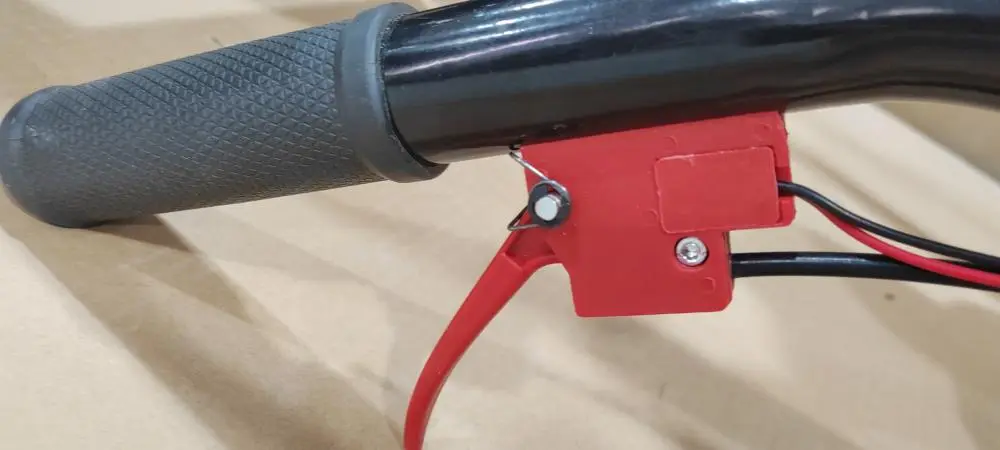
Overheating during work means that there is too much load or not enough cooling. To lower torque needs, you can either make the bit smaller or drill faster. Make sure that the cooling fins stay clean and unblocked. During constant work, make sure there are enough breaks to keep the machine from getting too hot. The anti-vibration technology and efficient design keep heat production to a minimum, but it is still important to follow the right ways to use the product to avoid thermal damage.
Sourcing and Procuring Heavy Duty Earth Auger Bits and Power Heads
When making strategic decisions about what to buy, you have to weigh the initial costs against the long-term value, reliability, and support availability. Procurement managers can get equipment that meets business needs and keeps total ownership costs low if they know their sourcing choices and evaluation criteria.
Selecting Reputable Suppliers and Manufacturers
The name of the manufacturer has a big effect on how reliable the equipment is and how good the support is. With the help of 50 experienced workers and 30 professional technicians, JUSEN has more than ten years of specialized experience designing and making professional-grade equipment. This level of expertise makes sure that products meet the strict needs of the field while keeping quality standards high across all production runs.
Coverage under a warranty is an important way to lower your risk. Our one-year guarantee shows that we trust the quality of our products and protects you from problems. Check the supplier's responsiveness and the availability of replacement parts in addition to the basic warranty terms. Costs of equipment downtime often go over the price of the equipment itself, so solid support infrastructure is an important thing to think about when buying.
After-sales service is what sets great suppliers apart from average ones. Having access to technical support makes it easier to fix operational problems quickly, which keeps lost productivity to a minimum. Suppliers who offer customized solutions meet the specific needs of businesses that standard goods can't. Because we can customize, we can make sure that the configurations of our tools meet the needs of each application without making working compromises.
Comparing Purchasing Channels and Quality Tiers
When compared to multiple distribution channels, direct relationships with manufacturers often offer better value. Getting rid of middlemen cuts costs, improves communication, and helps support be more responsive. Having direct ties with manufacturers who understand their specific business contexts and needs is helpful for procurement teams that are in charge of large equipment portfolios.
Online platforms make it easy to compare prices, but you have to be very careful to make sure that the seller is legitimate and that the products are real. Fake or poor-quality equipment poses safety risks and doesn't work as well as it should. When looking at online choices, make sure the seller's paperwork is correct, read customer reviews carefully, and make sure you understand the guarantee terms before making a purchase.
Different design priorities and manufacturing standards are shown by the different quality levels. Most entry-level equipment works well for occasional use but isn't durable enough for commercial use. High-quality materials, precise production, and strong construction are used to make professional-grade tools like our power head that can last for years of hard daily use. The higher initial investment leads to much lower total ownership costs because the service lasts longer and needs less maintenance.
Optimizing Procurement for Project Requirements
The length of the project affects the procurement strategy. For long-term business, buying equipment makes sense, but for short-term projects, renting may be better because you don't have to worry about managing the equipment after the project is over. Our 30-day delivery time works with the planning stages of upcoming projects and doesn't require us to keep too much inventory on hand.
Parts supply ensures that operations don't stop. Make sure that suppliers keep enough bits, spark plugs, filters, and other wear items in stock. While waiting for parts, equipment that isn't being used loses money and causes projects to take longer to finish. Because we keep a wide range of products in stock, replacement parts will always be available for equipment that is still in use.
Conclusion
How well your drill works, how long your tools last, and how safe it is to use depend on how well your bits work with your power head. Procurement experts can make choices that make the best use of equipment's capabilities by understanding how torque capacity, shank standards, and application requirements are related. Choosing the right bits for the job will improve drilling performance while lowering costs and wear. Systematic repair schedules and smart relationships with suppliers make value delivery even better over the life of the equipment. When you use the right tools, suitable bits, and follow the right procedures, you can be sure that your drills will work well in business, agriculture, and construction.
FAQ
1. What shaft size should I look for when buying bits for my power head?
If you look at professional power heads, most of them have either 2-inch or 2.5-inch hex shafts. Check the shaft measurements of your individual model before buying bits, because even small differences can make it impossible to lock the engagement and create dangerous working conditions. The hex shape transfers power better than round shafts, so they don't slip when they're under load. Always make sure that the bit shank's specs match your tools exactly to make sure that it works safely and effectively.
2. Can I use larger diameter bits than manufacturer specifications recommend?
Using bits that are too big or too small for the job could damage the motor and put people in danger. Power heads have torque outputs that are designed to work with certain bit diameter ranges. Bits that are too big put too much stress on engines, cause parts to overheat, and speed up wear. Our equipment can safely handle sizes from 80mm to 300mm, giving you a lot of options without putting your equipment at risk of breaking. Staying within certain ranges saves your equipment investment and makes sure it works reliably.
3. How often should I replace auger bits during regular commercial use?
How often bits need to be replaced depends on the conditions of the soil, how hard they are used, and how often they are maintained. Cutting edges wear out faster on rough surfaces than on smooth ones. The most accurate way to tell when to replace something is to look at it. If the cutting efficiency drops noticeably or the sides show a lot of wear, it's time to replace it. When you rotate multiple bits and keep their edges sharp by properly sharpening them, the bits last a lot longer than when you run single bits until they fail.
4. What maintenance does the power head require between drilling projects?
Check the spark plugs, clean the air filters, and make sure the fuel mixture ratios are right. Make sure that all of the fasteners are tight, and look for wear on the shaft connection. Remove any buildup of dirt and grime from the cooling fans. Equipment should be kept in dry places, and a fuel stabilizer should be added if it will be stored for a long time. These regular tasks don't take long, but they greatly extend the life of the equipment and make sure it works well when drilling operations start up again.
Partner with JUSEN for Your Heavy Duty Earth Auger Power Head Requirements
We are the best Heavy-Duty Earth Auger Power Head supplier for tough drilling jobs because we know how to make them and have a wide range of products. JUSEN which was founded in 2010, has 3,000 square meters of production space and more than ten years of specialized engineering experience. We are experts at making precision engineering tools for professional-grade earth auger systems that meet strict business standards. Our main areas of knowledge are oilfield drilling equipment and downhole testing tools.
We support the creation of customized products that meet specific operational needs that can't be met by standard configurations. Our 30 professional workers bring a lot of technical knowledge to every job, so we can make sure that the solutions we offer are right for your soil conditions, drilling levels, and needs. Email our sales team at Sales1@cnjusen.com to talk about the equipment you need, get detailed specs, or look into customization options that will work best for your operations.
References
1. Peterson, R.L. & Martinez, D.K. (2021). "Mechanical Power Transmission in Portable Drilling Equipment: Design Principles and Operational Optimization." Journal of Construction Equipment Engineering, Vol. 47, Issue 3, pp. 112-128.
2. Thompson, J.S. (2020). "Auger Bit Metallurgy and Wear Resistance in Variable Soil Conditions." Materials Science for Agricultural Equipment, Vol. 15, No. 2, pp. 89-104.
3. Williams, A.B., Chen, M., & Rodriguez, P. (2022). "Torque Requirements and Bit Compatibility in Earth Drilling Applications: A Comprehensive Field Study." International Journal of Geotechnical Equipment, Vol. 34, Issue 1, pp. 45-67.
4. Anderson, K.T. (2019). "Safety Protocols and Equipment Compatibility Standards for Portable Auger Systems." Occupational Safety in Construction Operations, Vol. 28, pp. 156-174.
5. Kumar, S. & Eriksson, L. (2023). "Preventive Maintenance Strategies for Maximizing Service Life of Drilling Equipment Components." Equipment Management Quarterly, Vol. 41, No. 4, pp. 203-221.
6. Jackson, H.M. (2021). "Procurement Decision Frameworks for Construction Equipment: Total Cost of Ownership Analysis." Journal of Construction Procurement and Logistics, Vol. 19, Issue 2, pp. 78-95.

USER EVALUATE
Here is the customer's evaluation of us
 VIEW MOREJS-TU26 767 26CC GASOLINE SPRAYER
 VIEW MORE58CC Gasoline Chainsaw Cylinder
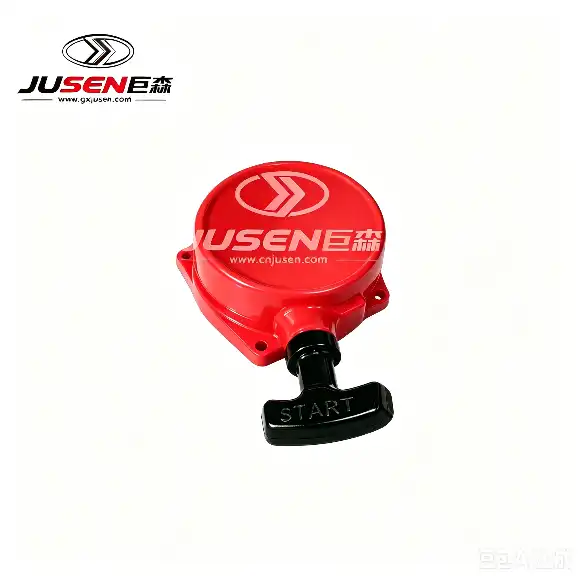 VIEW MOREB45 brush cutter Starter
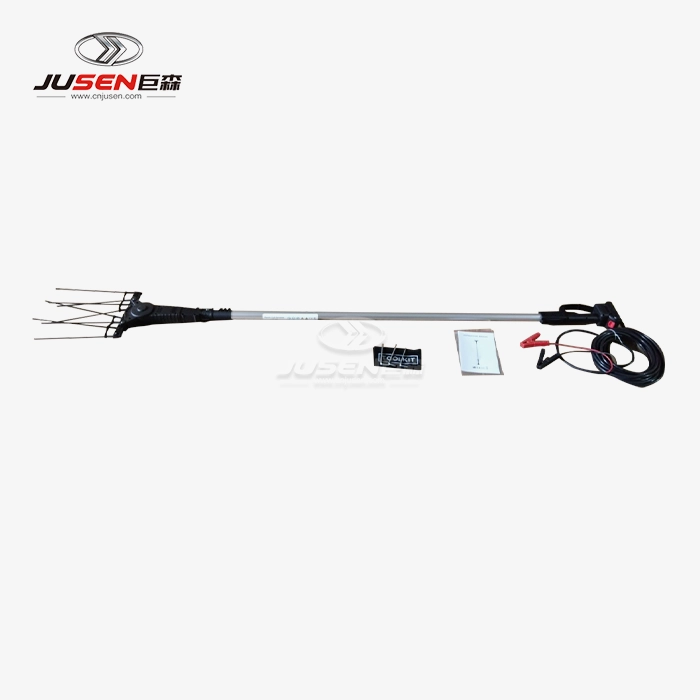 VIEW MOREHand Held Olive Harvester Machine
 VIEW MOREElectric Pruning Shears Cordless
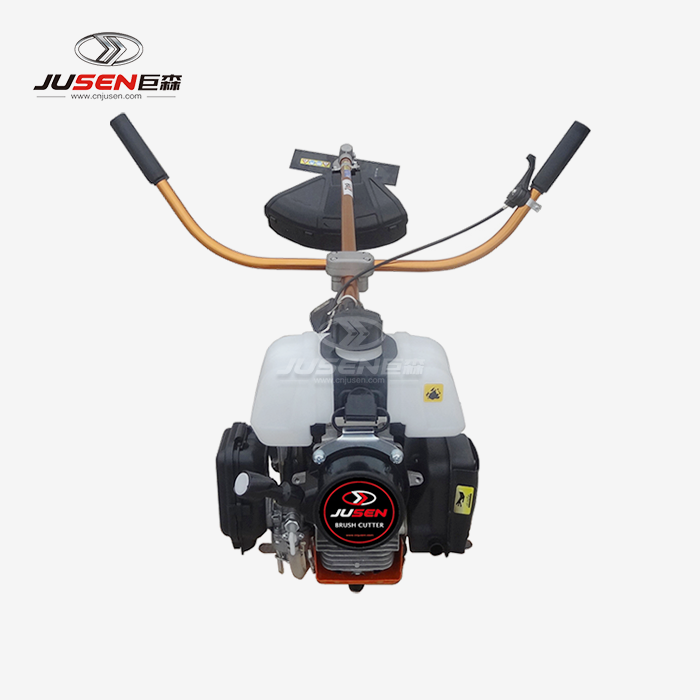 VIEW MORE42.7cc Garden Gasoline Brush Cutter
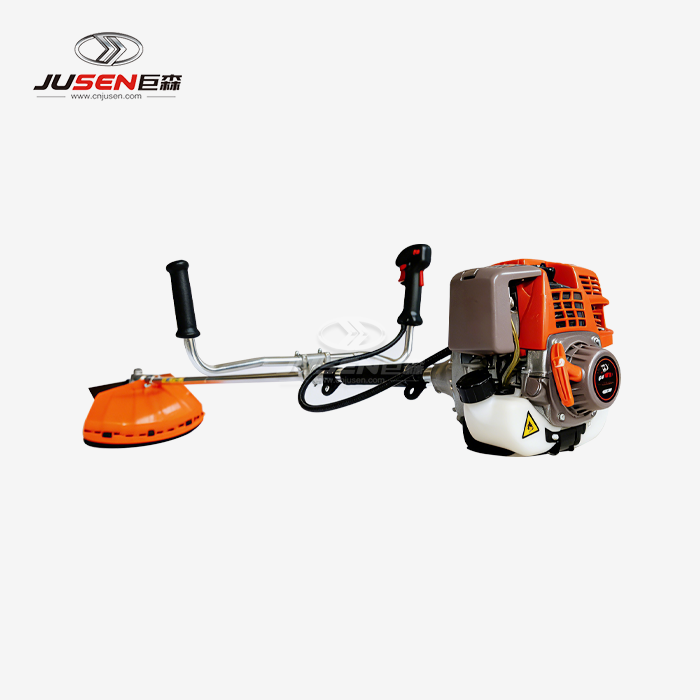 VIEW MORE63cc 2-Stroke Gas Weed Wacker
 VIEW MORE62cc Gas Powered Chain Saw