




What Is an Underground Courtyard Safe Room? Uses Explained
An underground courtyard safe room is a reinforced, below-ground shelter integrated into residential or commercial properties, engineered to protect occupants during extreme emergencies. Unlike conventional basement rooms or above-ground bunkers, this type of shelter combines structural depth with multi-layer protective design, delivering resistance against blast waves, hazardous gas intrusion, fire, flooding, and radiological threats. These shelters serve families, government facilities, corporate campuses, and military installations seeking dependable long-term refuge solutions. Understanding what an underground courtyard safe room does—and how it works—helps procurement professionals and property owners make smarter, better-informed safety investments.
What Defines an Underground Courtyard Safe Room?
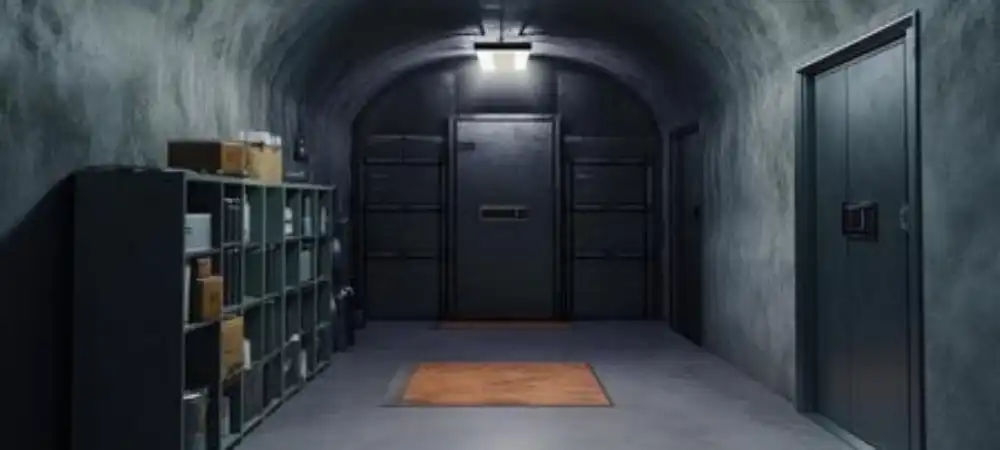
An Underground courtyard safe room is below ground level, usually in a hallway or outside the building's footprint. The thing that makes it unique is its multi-layer protection shell, which is made up of structural steel, blast-resistant plating, waterproofing layers, and fire-resistant insulation all stuck together. A proper shelter is different from a basic storm cellar or reinforced basement, which are usually built from a single material, because they are built with layers.
Modular assembly methods are used in the design so that units can be made off-site and put together precisely. This method cuts down on construction times while still maintaining strict structural tolerances. When engineers design these shelters, they take into account things like soil pressure, water table depth, blast loading, and seismic activity to make sure the structure can handle more than one type of threat at the same time.
Key Benefits and Safety Features
Why Multi-Layer Protection Matters
In an approved Underground courtyard safe room, the four-layer composite protective structure provides overlapping defense mechanisms. Each layer protects against a different threat, and when they work together, they provide a level of protection that no single material could match. These are the main layers of protection that this method has:
- 100mm all-steel main framework: Absorbs and redistributes external impact loads while keeping the structure's shape under dynamic stress conditions like blast overpressure or seismic displacement.
- 5mm high-strength steel plate layer: Protects against direct ballistics and shrapnel, strengthening the main structure against entry and surface distortion.
- Professional waterproofing layer: Keeps air out and stops groundwater from getting in, which is important for NBC (Nuclear, Biological, and Chemical) closing performance.
- Fire-resistant and thermal insulation layer: Slows the flow of heat during a fire, making it safer to leave and protecting the structure's integrity at high temperatures.
These different layers of protection work together to keep people inside safe from tornado debris, explosive shockwaves, chemical gas leaks, and long-term fire exposure. When procurement professionals look at blast-resistant housing options, they can be sure that this building will meet strict safety standards at the project level.
NBC Filtration and Air Quality Systems
In addition to protecting the structure, a high-specification Underground courtyard safe room must also keep the inside airy so that people can stay there for a long time. When you pair a separate NBC (Nuclear, Biological, and Chemical) air filter system with a fresh air ventilation circuit, you get rid of airborne pollutants, toxic agents, and contaminants before they get to the filled area. A dangerous pressure rise can't get in through the air path because of an overpressure explosion-proof valve.
This life-support feature turns a static shelter into a long-term refuge where people can live. It helps families and emergency workers during long-lasting emergencies where conditions on the ground are still dangerous.
Design, Construction Process, and Maintenance
Building a Reliable Subterranean Refuge
Effective Underground courtyard safe room building follows an organized process that includes site evaluation, drilling to the proper depth, the modular steel framework assembly, the installation of multi-layer cladding, the integration of the NBC system, and the final safety inspection. Modular prefabrication cuts down on the time needed for work on-site and makes sure that the quality is the same at every structural part and sealed surface.
A full set of standard equipment includes a blast-proof entrance door, a cleaning room at the entrance, and a separate emergency exit path with a ladder. These parts must be included in every compliant underground refuge shelter. Each one is needed for a different emergency situation where getting people out or controlling contamination is very important.
Routine maintenance keeps the shelter operational. On inspection schedules, the condition of the structural surface, the performance of the drainage system, and the integrity of the door seals should all be checked. With proactive upkeep, you never have to worry about finding broken parts during an emergency.
Comparing Underground Courtyard Safe Rooms With Alternative Options
Safe rooms that are above ground are easier to get to and cost less to build, but they aren't as strong as an Underground courtyard safe room. Walls and roofs that are exposed at grade level are hit hard by tornado debris, blast waves, and fire because they don't have the soil to protect them. Even though basement safe rooms are better than this, they can still fall apart if the host building is severely damaged.
The earth's pressure acts as a passive shield for a shelter that is completely underground and enclosed in a strengthened shell. More than any other above-grade material assembly, soil mass lessens the effects of blast overpressure, heat radiation, and electromagnetic pulses. When looking at nuclear fallout shelters, tornado-proof bunkers, or multi-hazard refuge systems, putting them in an underground patio always gives the best overall security at a reasonable cost per level of protection.
Procurement and Choosing the Right Underground Courtyard Safe Room Supplier
Picking out the right Underground courtyard safe room manufacturer checks to see if a project meets its safety goals on time and within budget. Before agreeing to a partnership, procurement managers should look at a list of seller requirements that can't be changed:
- Verified manufacturing capability: Direct makers with in-house steel fabrication, NBC system assembly, and final testing infrastructure can track the quality of every part of the unit, from the raw materials to the finished product.
- Customization depth: Each project has its own space limitations, threat profiles, and occupancy needs. Custom sizes, interior layouts, smart control systems, and finish requirements can all be met by a skilled provider.
- Flexible production scheduling: The number of orders changes as the project progresses. When suppliers adjust their production schedules based on the size of the order, they avoid costly delays in important procurement cycles.
- International project experience: Suppliers with a history of working with the government, the military, energy, and homes show that they have the technical knowledge to handle settings with lots of rules and standards.
These criteria narrow the field to manufacturers who offer consistent quality rather than one-time performance.
Practical Applications of Underground Courtyard Safe Rooms
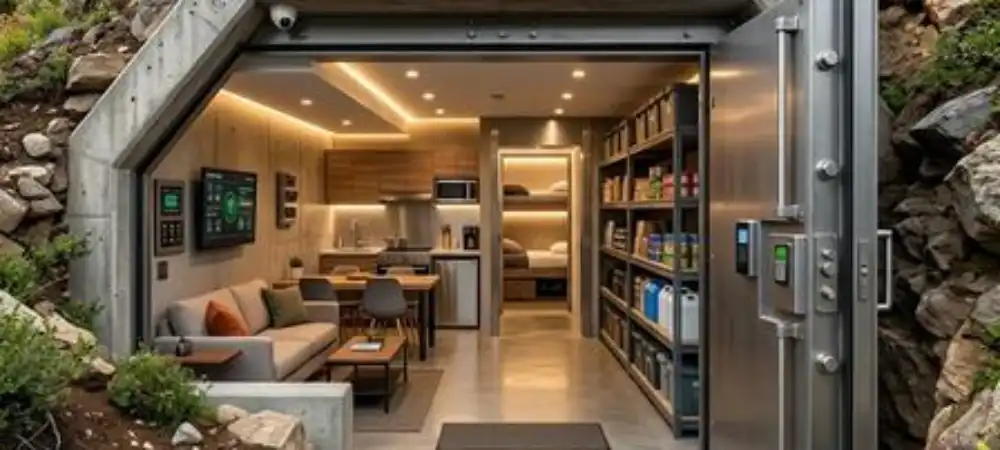
Underground courtyard safe rooms can be used for more things than most buyers think at first. In addition to protecting homes from tornadoes and nuclear fallout, these bunkers help with government emergency continuity programs, corporate crisis response infrastructure, hardening military facilities, and protecting high-value private estates. Because they can filter out NBC, they are also useful in industrial areas where chemical accidents are a real possibility.
The United States' high-risk areas are where most deployments happen. These areas include those near industrial chemical sites or in storm alleys. According to FEMA's safe room construction guidelines, below-grade shelters always do better in tornado survivability tests than above-grade shelters. Adding a certified underground safe room to a building's disaster plan changes the level of preparation from being reactive to being proactive.
Conclusion
One of the best investments you can make in your own and your business's safety right now is an Underground courtyard safe room. It can protect against all kinds of modern threats thanks to its four-layer structure, NBC air filtration system, blast-resistant entry, decontamination chamber, and emergency escape route. It doesn't matter if the purpose is to protect a family from nuclear fallout, keep a business running during an emergency, or make a government building more resilient; a properly designed underground refuge shelter provides long-term safety value that can be measured. The most important thing to do to get a reliable result is to choose a qualified manufacturer with a track record of being able to customize products and strict quality control.
FAQ
What makes an underground courtyard safe room different from a basement shelter?
An Underground courtyard safe room is a dedicated, multi-layer reinforced steel structure built as a stand-alone unit below grade. Most basement shelters are made from the foundation of an old building, which might not meet standards for blast, NBC, or waterproofing. The system that works on its own lets engineers do precise work for certain types of threats.
Can the shelter dimensions be customized?
Yes. Custom sizes, interior layouts, functional module choices, smart control system integration, and finish specifications can all be accommodated by a qualified manufacturer. This adaptability meets the needs of domestic, business, government, and military projects.
How long can occupants remain safely inside?
With an active NBC filter system, fresh air ventilation, and well-kept supplies, a well-equipped underground refuge haven can hold people for days or weeks, based on the provisions that were installed.
What maintenance does an underground courtyard safe room require?
Replacement of the NBC filter, review of the blast door seal, checks on the drainage system, and evaluation of the structure's surface are all part of routine maintenance. Regular checks keep parts from breaking down and make sure they are ready for use.
Is this shelter suitable for nuclear fallout protection?
Yes. It is a certified nuclear fallout shelter for family and institutional use because of its four-layer composite structure, NBC air filtration, overpressure valve, and airtight sealing design. These features make it perfect for situations where there is nuclear fallout.
Ready to Source a Certified Underground Courtyard Safe Room? Contact JUSEN Today
Underground courtyard safe room solutions from JUSEN are made with a four-layer composite structure, independent NBC filtration, and the ability to be fully customized. We support procurement timelines, unique specifications, and high-quality standards as a direct manufacturer with experience working on international projects. Email our team at Sales1@cnjusen.com to talk about the needs of your project and get a custom product proposal.
References
1. Federal Emergency Management Agency (FEMA). Taking Shelter from the Storm: Building a Safe Room for Your Home or Small Business. FEMA, 2021.
2. National Storm Shelter Association (NSSA). NSSA Standard for the Design, Construction, and Performance of Storm Shelters. NSSA, 2020.
3. U.S. Army Corps of Engineers. Structures to Resist the Effects of Accidental Explosions (UFC 3-340-02). Department of Defense, 2008.
4. International Code Council (ICC). ICC 500: ICC/NSSA Standard for the Design and Construction of Storm Shelters. ICC, 2020.
5. National Institute of Building Sciences. Whole Building Design Guide: Blast Safety of the Building Envelope. NIBS, 2019.
6. Centers for Disease Control and Prevention (CDC). Radiation Emergencies: Shelter-in-Place Guidance. CDC, 2022.

USER EVALUATE
Here is the customer's evaluation of us
 VIEW MORECG430 brush cutter Flywheel
 VIEW MOREProfessional Garden Branch Scissors for Fruit Tree Pruning
 VIEW MORE40T Alloy Blade
 VIEW MOREJS-BAT431-W Cordless Hedge Trimmer with External-Rotor Motor (21V/29.4V)
 VIEW MOREGasoline Demolrtion Hammer
 VIEW MORELightweight Petrol Brush Cutter
 VIEW MORE52cc Strong Power Garden Gasoline Chainsaw
 VIEW MORE58cc Gasoline Chain Saw