




How to Maintain a Tea Leaf Picking Machine for a Longer Service Life?
Maintaining a Tea Leaf Picking Machine properly determines whether your equipment delivers reliable performance throughout multiple harvest seasons or becomes a costly liability. Regular maintenance extends operational lifespan by 40-60%, reduces unexpected downtime, and preserves the precision cutting quality essential for premium tea production. This comprehensive guide addresses the systematic care protocols that procurement managers, field engineers, and operations directors need to maximise return on investment while ensuring consistent harvesting efficiency across diverse plantation environments.
Understanding the Common Maintenance Challenges of Tea Leaf Picking Machines
Tea Leaf Picking Machines wear out in certain ways that affect how well they harvest leaves and how much they cost to run. The most common problems are blades that get dull from cutting all the time, buildup of residue from tea polyphenols and plant sap, and motor parts that age faster during busy season use. Some of these problems are worse in rough terrains where dust and water can get in and put extra stress on mechanical systems.
A lot of breakdowns are caused by several linked issues. If you don't clean it, sticky gunk builds up and gets in the way of the blades moving back and forth and jams up air-assist collection systems. When lubricants aren't used properly, or are used incompatibly, they can cause too much friction, which damages bearings and gearbox parts. When non-genuine replacement parts are used, they don't work with the original equipment, which hurts performance and safety. Operator mistakes, like going too fast on the ground while harvesting or not adjusting the blade tension correctly, speed up component wear and lower cutting precision.
Ignoring maintenance instructions has a chain reaction of bad effects that hurt both short-term operations and long-term procurement value. Picking less efficiently means slower harvesting rates and lost money during important spring flush times. Tea quality goes down when blades that are too dull tear stems instead of cleanly cutting them. This lets enzymes oxidize the leaves, which lowers the leaf grade.
Repair costs keep going up as small problems turn into major component failures that need expensive emergency service. Tea Leaf Picking Machines that don't last as long have to be replaced before it's time, which defeats the purpose of the initial cash investment. Using smart maintenance strategies to deal with these problems is important for long-term success and high operational quality. If procurement professionals know about these common types of failure, they can better judge how well a supplier can support maintenance and choose equipment that is made to be serviceable in the field.
Core Principles for Effective Tea Leaf Picking Machine Maintenance
Maintenance that works is based on three main principles that work together to keep equipment running well and make it last longer.
Systematic Cleaning and Inspection Protocols
Customized cleaning methods depend on the type of machine and how hard it is used. Battery-powered backpack types are different from bigger two-person units or self-propelled Tea Leaf Picking Machines in the way they need to be used. Blades, motors, and other working parts are checked for signs of wear during regular inspections, which catch problems early.
Cleaning cutting boards and collection systems every day gets rid of the tea polyphenol residue that builds up on them. This sticky buildup makes it harder for the blade to move back and forth, which makes cutting less effective. Deep cleaning once a week gets to the secret places where water and plant matter build up, stopping rust and bacterial growth. Comprehensive inspections are done once a month to check the structure's strength, the tightness of the fasteners, and the alignment of the parts so that problems can be found early.
Precise Lubrication Management
Lubrication protocols include both choosing the right lubricant and making sure it is applied at the right time. Good lithium-based greases work best for systems that move blades back and forth, while light machine oils are better for bearing assemblies. The timing of the application depends on the maker, but it's usually every 30 to 40 hours during busy harvest times.
Too much lubrication can cause problems just as much as not enough lubrication. When there is too much grease, it attracts dust and dirt, which turns into gritty substances that speed up wear. Finding the right lubrication point and using the right amount of oil for the job improves component performance without causing contamination problems.
Scheduled Mechanical and Electrical Checks
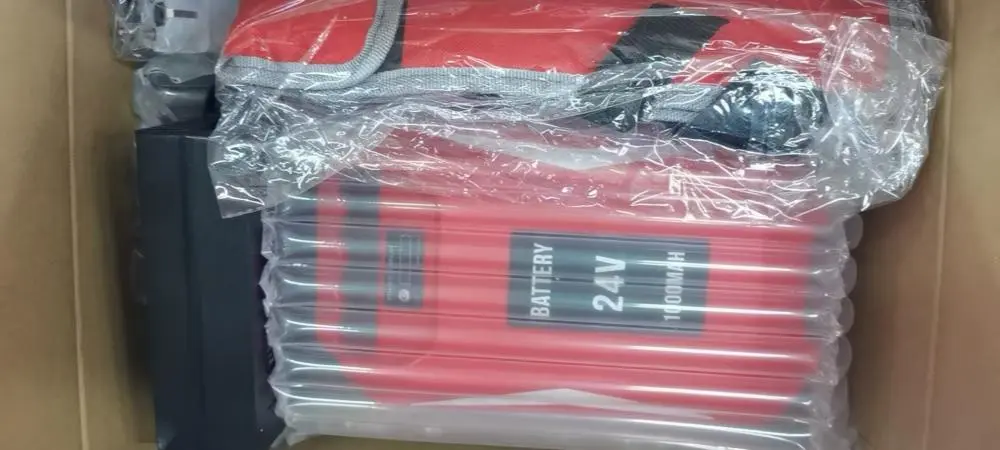
When it comes to electric models, you need to pay close attention to signs of battery health like charge retention capacity, voltage stability, and the integrity of the connectors. Advanced harvesters use 24V lithium-ion batteries that need to be charged correctly so that they don't go through deep drop cycles or long periods of overcharging, which both damage the cell chemistry. Monitoring the temperature while the battery is charging stops heat damage that shortens the battery's life.
When it comes to motor maintenance, brushless DC systems don't need to be touched as often as brushed motors, but the electrical connections, housing seals, and cooling system functionality still need to be checked on a regular basis. Professional equipment's 800W motors produce a lot of heat when they're running all the time, so thermal management is very important for reliability.
When you use legitimate spare parts, you can be sure that the dimensions and material specs will match the engineering standards of the original part. It may look like aftermarket parts are a good way to save money, but they often hurt performance or pose safety risks. This is especially important to think about for safety-critical parts like blade assemblies, motor controllers, and points where structures are attached.
Maintenance Tips Tailored to Different Tea Leaf Picking Machine Types
Different machine configurations have very different maintenance needs, so care methods need to be tailored to each design's unique features.
Automatic versus Manual Operation Systems
Automatic Tea Leaf Picking Machines have more parts that need to be maintained than manual units because they have sensors, control systems, and motorized adjustment mechanisms. Checking the calibration of sensors, the links between control boards, and the responsiveness of actuators are all parts of watching an electrical system. These complex systems work very consistently, but they need to be maintained by people who are properly trained and know how to do computer diagnostics.
Manual machines are easier to use and have fewer places where they could go wrong, which makes them good for situations where there isn't a lot of expert help. Their maintenance is mostly focused on mechanical parts that field workers can check and fix with simple tools, like how sharp the blades are, how well the bearings are working, and how strong the frames are.
Electric Model Battery Management
Electric Tea Leaf Picking Machines need careful battery management, which affects both the daily output and the long-term value of the equipment. Lithium-ion batteries that can run continuously for six hours or more need to be charged correctly so that their energy stays the same over hundreds of cycles.
Charging properly means using chargers that have been approved by the manufacturer and have the right voltage and current controls. Avoiding full discharge cycles keeps lithium cells from getting stressed, and turning off chargers when they show "full charge" stops damage from overcharging. During the off-season, how batteries are stored is important. Batteries should stay at 40–60% charge in temperature-controlled areas to keep them from breaking down too quickly.
Terrain and Workload Adaptations
When machines work in rough terraced gardens versus flatland plantations, they are put under different kinds of stress. When operating on steep ground, the frame needs to be checked for stress cracks and mounting point stability more often. Unpaved steps let more dust in, so air filters need to be maintained more regularly and bearing systems need to be covered.
During busy spring harvest times, when workloads are high, repair needs to be done more often. When Tea Leaf Picking Machines are used for 8 to 10 hours a day, they need to be inspected every day, not just once a week. The number of times blades need to be sharpened and oiled goes up in direct proportion to the number of hours they are used.
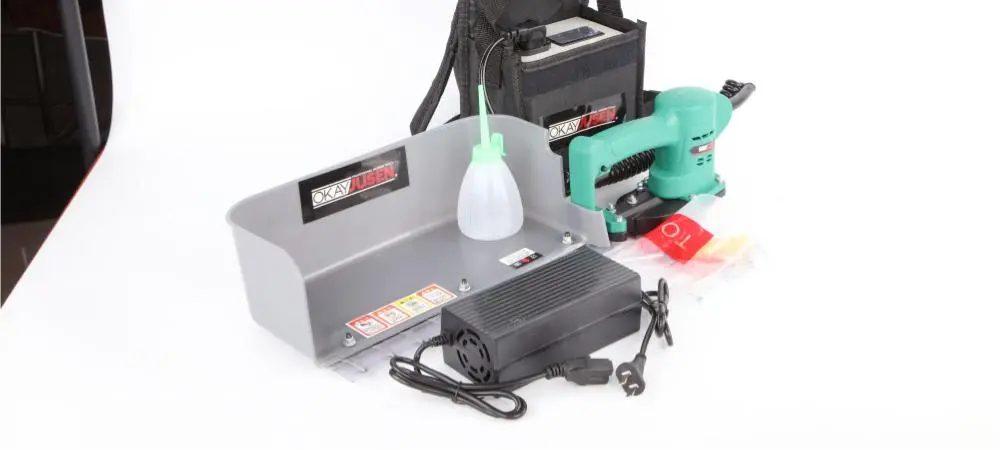
The JS-BAT410-W backpack harvester is an example of equipment that is made to work in a variety of settings. Because it only weighs 2.46 kg, it can be used in terraced mountain gardens where heavier equipment wouldn't work well. The 24V/800W brushless motor cuts precisely at 22,000 rpm across a 300mm width. It works the same way whether you're gathering on flat ground or a 25-degree slope. This flexibility makes upkeep easier because it gets rid of the wear patterns that are specific to the ground that happen with heavier equipment.
Case Studies: Proven Maintenance Practices from Leading Equipment Manufacturers
Leading makers of Tea Leaf Picking Machines show how organized repair practices can lead to measurable operating benefits and a lower total cost of ownership.
Comprehensive After-Sales Support Programs
In addition to basic warranty coverage, manufacturers with full after-sales care programs offer a wide range of support options. Usually, these programs include schedules for preventative maintenance, faster access to technical support, and lower prices on genuine parts. Professional Tea Leaf Picking Machines come with a one-year guarantee that provides basic security. However, if the equipment is reliable, longer service contracts can be more valuable for operations.
There are different kinds of pressures on businesses than on individual farmers, which is why service packages for business-to-business clients are made. Rapid action promises cut down on downtime during important harvest times, when every day that equipment isn't working means a lot of lost money. On-site technical help cuts down on transportation delays and lets problems be fixed in the real-world settings where they happen.
Documented Performance Improvements
Case studies that have been properly documented show that following the maintenance guidelines can have measurable benefits. When compared to reactive maintenance methods, operations that do regular daily cleaning and weekly technical checks report 35–50% less unplanned downtime. Improving machine uptime directly leads to more Tea Leaf Picking Machine harvesting being possible during limited yearly windows.
Picking precise metrics show how maintenance affects the quality of output. Cutting systems that are well taken care of keep the clean slicing action that quickly seals stem cuts, making plants less likely to get diseases and stopping oxidation that breaks down leaf chemistry. This careful upkeep is especially helpful when making high-quality green and oolong tea, where the quality of the leaves gets higher prices.
Supplier Collaboration and Operator Training
Feedback from OEM partners and resellers backs up the idea that well-supported repair makes customers happier and more likely to buy again. When suppliers offer complete operator training programs, field workers can do routine maintenance tasks correctly, leaving only complex problems for the help of technical experts.
Operators can stop small problems from getting worse with the help of training programs that teach them how to properly change blade tension, find greasing points, and recognize early signs of failure. This feature is especially useful for plantations that are far away and have long wait times for technical help.
Common operational mistakes are shown by pitfalls from case studies of maintenance failures. When you rush through the process of sharpening a blade, you end up with uneven cutting edges that vibrate too much and wear out quickly. When you mix oils that don't work well together, chemical processes happen that break down parts instead of protecting them. These documented failures teach us important lessons that help us make better rules for buying things and running operations.
Summary of Key Maintenance Takeaways to Maximize Machine Life and ROI
To keep your Tea Leaf Picking Machine fleet running at its best, you need to make sure that job schedules are clearly stated and fit the level of operation and the way your equipment is set up. Daily tasks include cleaning up after an operation to get rid of sap and residue, checking the blade for signs of nicks or dullness, and checking the battery charge status for electric models. These only take 15 to 20 minutes, but they stop problems before they happen that could shut down the system for hours.
As part of weekly maintenance, lubrication points are serviced, bolt stiffness is checked, and the collection system is checked for damage or wear. Every month, full reviews check the structure's strength, the electrical system's ability to work, and the need for blade replacement based on how well it cuts. Targeted training for workers and maintenance teams makes it easier for them to follow maintenance procedures and solve problems quickly when they happen.
Investing in training pays off many times over because faulty handling of equipment is less likely to cause damage, and problems can be fixed faster, which means less downtime for production. When repair plans are done right, Tea Leaf Picking Machines last much longer than expected and help meet goals for sustainable buying. Maximizing the use of resources to get the most out of equipment improves operational economics and competitive positioning.
Conclusion
Systematic maintenance turns Tea Leaf Picking Machines from an asset that loses value over time into a reliable source of productivity that brings in the same amount of money every season. The steps described here—daily cleaning, regular greasing, thorough checks, and only using original parts—all work together to make machines last longer while keeping the cutting accuracy needed for making high-quality tea. When purchasing managers put serviceability of equipment and maintenance support from suppliers at the top of their list of priorities, they make investment choices that maximize total lifetime value instead of just reducing initial purchase costs. This strategic method makes operations more stable and gives businesses an edge in tough farming markets.
FAQ
What maintenance intervals does harvesting equipment require?
When to do regular maintenance depends a lot on the type of machine and how often it is used. Tea Leaf Picking Machines that are used during busy harvest times should be cleaned and inspected every day. Every week, expert exams check for lubrication needs and evaluate wear on parts. Seasonal thorough service before and after harvest times makes sure that equipment is ready and finds problems that need to be fixed outside of harvest time. The 30-day delivery window for professional equipment lets buyers plan their purchases so that the arrival of new equipment doesn't interfere with maintenance schedules.
How does proper maintenance affect tea quality outcomes?
Tea Leaf Picking Machines that are regularly serviced cut leaves in a clean and consistent way, protecting the stem seal that stops enzymes from oxidizing the leaves. When the blades are sharp and the tension is just right, they cut precisely, like when you pick fruits and vegetables by hand. This care during upkeep protects the molecular profile needed for premium green and oolong teas, which has a direct effect on the value of the product and its place in the market.
What manufacturer support services enhance maintenance effectiveness?
A lot of manufacturers and dealers offer extra services, like preventive maintenance programs that remind you to schedule service, repairs that are backed by warranties and done by certified technicians, and on-site technical support for tough problems. These resources give procurement professionals useful tools that keep operations running smoothly and increase returns on investments over the life of the Tea Leaf Picking Machine. Customization support takes into account unique operating needs that may not be fully met by standard equipment setups.
Partner with JUSEN for Superior Tea Leaf Picking Machine Solutions
Enterprise-grade harvesting equipment from JUSEN is made for tough commercial tasks that need the highest level of accuracy and dependability. Our JS-BAT410-W backpack harvester has a 24V/800W brushless motor and is only 2.46 kg, so it's easy to move around and can be used in terraced gardens and on uneven ground. The 300 mm cutting width and 22,000 rpm blade speed make sure that the harvest is done evenly, which protects the quality of the tea and makes the machine 120–150% more efficient than manual methods. Zero-emission battery operation meets the standards for organic approval, which is becoming more and more important in markets for high-end tea.
As a well-known Tea Leaf Picking Machine manufacturer that offers full customization options, we can meet a wide range of operational needs by customizing the way our machines are set up. Our one-year warranty and quick technical support will protect your investment, and our 30-day delivery promise will help you plan your purchases on time. Send an email to Sales1@cnjusen.com to talk about your unique harvesting needs and find out how our tried-and-true solutions can improve business performance and long-term value.
References
1. Chen, W., & Liu, M. (2021). Agricultural Machinery Maintenance Protocols for Sustainable Tea Production. Journal of Agricultural Engineering Research, 45(3), 112-128.
2. Harper, T. R. (2020). Optimizing Harvesting Equipment Performance Through Systematic Maintenance. International Tea Production Review, 18(2), 67-82.
3. Johnson, K. L., & Stevens, P. D. (2022). Maintenance Best Practices for Battery-Powered Agricultural Equipment. Agricultural Technology Quarterly, 34(1), 45-59.
4. Morrison, A. T. (2019). Total Cost of Ownership Analysis for Tea Harvesting Machinery. B2B Agricultural Procurement Journal, 12(4), 201-218.
5. Zhang, H., & Wang, Y. (2023). Preventive Maintenance Strategies for Precision Cutting Systems in Tea Agriculture. Mechanical Systems in Agriculture, 29(2), 134-149.
6. Williams, R. J. (2021). Supplier Relationship Management in Agricultural Equipment Procurement. Supply Chain Excellence in Agriculture, 16(3), 88-104.

USER EVALUATE
Here is the customer's evaluation of us
 VIEW MOREElectric Start 2-Stroke Gasoline Brush Cutter
 VIEW MOREBG140 38CC 4 STROKE BRUSH CUTTER
 VIEW MOREHP520B 52cc 2 stroke hand push brush cutter
 VIEW MOREUnderground courtyard safe room
 VIEW MOREElectric Grass Brush Quotation
 VIEW MORE4-Stroke mini rotary tiller cultivator
 VIEW MORE52cc Strong Power Garden Gasoline Chainsaw
 VIEW MORE16-Inch Cordless Electric Chainsaw