




How to Maintain a Heavy Duty Earth Auger Power Head?
Maintaining a Heavy Duty Earth Auger Power Head involves establishing a systematic maintenance protocol that includes daily pre-operation inspections, routine lubrication schedules, periodic engine servicing, and seasonal component evaluations. Proper maintenance extends equipment lifespan, prevents unexpected downtime, and ensures consistent drilling performance across demanding applications. This comprehensive approach protects your investment while maintaining the operational reliability that professional drilling operations demand in construction, agriculture, and infrastructure projects.
Introduction
A lot of money has to be spent on professional drilling tools for medium-sized businesses that do drilling and well tests. For construction sites, farming projects, and infrastructure development, where reliable, consistent drilling performance is key to project success, industrial Heavy Duty Earth Auger Power Heads are must-have tools. Maintenance is more than just regular upkeep when your operations depend on equipment that has to work perfectly in compacted clay, rocky terrain, or difficult soil conditions. It becomes a key operating priority.
Procurement managers and drilling engineers know that when equipment breaks down, it costs more to complete the job and makes people less productive. A drilling power head that is well taken care of works reliably, costs less to fix in an emergency, and can handle the tight plans that are common in modern drilling operations. This guide gives maintenance tips that can be used right away and is written specifically for B2B professionals who need both technical detail and real-world examples.
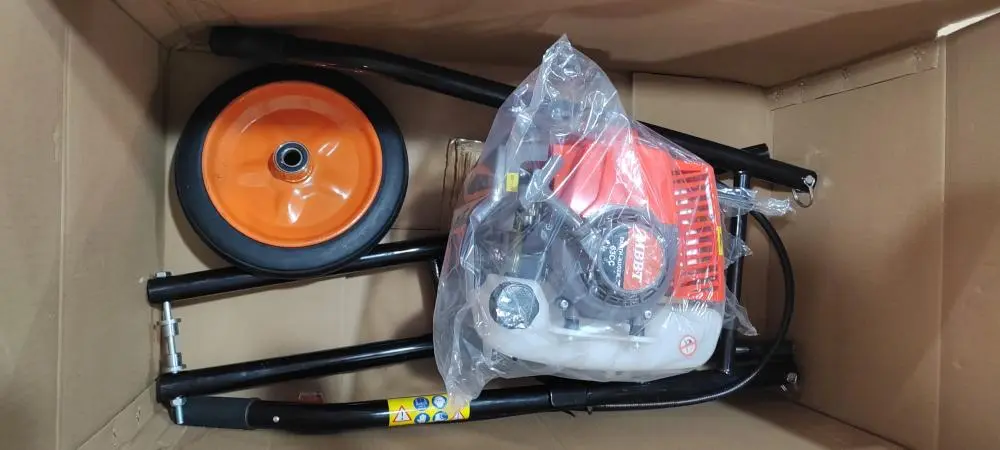
Common Maintenance Challenges and Causes of Wear
When professionals drill, they put equipment in situations that speed up the breakdown of parts. By spotting early warning signs, you can avoid catastrophic failures that stop activities and cost a lot to fix.
Performance Degradation Indicators
One of the most common signs that a Heavy Duty Earth Auger Power Head needs repair is a drop in power output. Operators notice that the drilling speed is slower or that the equipment has trouble in conditions that it used to work well in. If there is more vibration during operation, it means that there are possible imbalances in moving parts or that mechanical links are becoming loose. When fuel use goes above the standard amount, it means that the combustion process isn't working as well or that air intake is limited. These symptoms don't usually show up all of a sudden; they get worse over time as parts wear past their recommended limits.
Environmental and Operational Stressors
Dust always poses a threat to the life and consistent operation of the engine. When fine particles get around air filters, they speed up the wear on the cylinder walls and piston rings. Being exposed to moisture changes the way electrical links work in ignition systems and makes fuel systems more likely to rust. Extremes of temperature, both hot and cold, put more stress on seals, gaskets, and lubrication than they were designed to handle. When you push equipment through substrates faster than it can handle, you create shock loads that hurt transmission parts and output shafts.
These environmental stressors can't always be avoided by businesses, so proactive maintenance is necessary and not just an option. Not performing regular maintenance can turn small wear and tear into major failures that need a lot of downtime and part replacement. Understanding these ways that things break down helps maintenance teams decide which actions will protect the most.
Step-by-Step Maintenance Guide for Heavy Duty Earth Auger Power Heads
A structured maintenance method changes the care of equipment from fixes that are needed when they happen to providing predictable operating support. These rules were made based on our experience in the field with a variety of drilling tasks.
Daily Pre-Operation Inspection Protocol
Before each operating time, you should do a systematic visual check of all the important systems. Check the fuel lines and connection points for signs of damage or leaks. Make sure that all of the mechanical screws are still properly torqued. Vibrations during operation can slowly loosen nuts and other mounting hardware. Check the air filter box for damage and make sure that the closing surfaces keep air that hasn't been filtered from getting into the combustion chamber. Clean off the cooling fins and engine housing of any buildup that might be blocking the flow of heat. This pre-operation inspection takes about ten minutes, but it stops most of the problems that happen in the field that throw off project schedules for your Heavy Duty Earth Auger Power Head.
Periodic Engine Service Requirements
Engine care is the key to making a power head last a long time. According to the maker, you should change the engine oil every 25 to 50 hours of operation, but this can depend on the conditions. Use the right type of oil for the temperature—heavier weights for hot weather and lighter versions for cold weather. Service the air filter element based on how much dust it is exposed to; clean it or replace it if a direct check shows that it is heavily contaminated. The condition of the spark plugs directly affects how well they start and how efficiently they burn fuel. Check the electrodes every 100 hours and replace them when the gap goes beyond the specifications or deposits build up. Fuel system maintenance includes draining old fuel before putting it away for a long time and using fuel stabilizers to keep carburetor varnish from forming.
Transmission and Drive System Care
To keep the power transfer working well on the Heavy Duty Earth Auger Power Head, the drive shaft and transmission system need to be inspected and oiled on a regular basis. During active use, check the oil level in the engine once a month and add more as needed with lubricants recommended by the maker. During operation, listen for strange noises that could mean that the bearings are wearing out or the gear teeth are damaged. Look for wear patterns on the output shaft links where the drill bits are attached that could mean the shaft isn't aligned correctly or has too much play. JUSEN's equipment has long-lasting steel drilling tools that are meant to last a long time. However, proper greasing is still needed to get the full design lifespan.
Seasonal Storage and Long-Term Preservation
When the operating season ends, putting tools away safely during the off-season saves them. To keep fuel from breaking down and carburetor fouling from happening, drain fuel systems completely or add stabilizer. Before putting the car away for the winter, change the engine oil to get rid of any burning acids or other contaminants that could damage the inside. Cover metal surfaces that will be touched with a protective lubricant to keep rust from forming. If you can, store equipment in a climate-controlled space. If that's not possible, at least keep it away from direct wetness. Take out the spark plugs and add a little oil to the cylinders. Then, turn the engine over to spread the protection layer across the walls of the cylinders. These steps for preservation make sure that when equipment comes out of storage, it is ready to use right away and doesn't need a lot of work to get it back up and running.
Troubleshooting and Problem-Solving Techniques
Even a Heavy Duty Earth Auger Power Head that has been well taken care of can sometimes have problems that need to be diagnosed and fixed.
Starting and Ignition Diagnostics
The most common field complaint is "failure to start." Check the fuel supply first—make sure that fresh fuel gets to the carburetor and that the prime bulb (if it's there) works properly. To check the condition of a spark plug, take it out and ground it against the engine block while pulling the starter cord. Strong blue sparks show that the ignition system is working properly. A weak or missing spark means that the ignition coil has broken or the flywheel key has sheared. If the air entry is blocked, the fuel and air mixing won't be right. Make sure the air filter lets enough air flow through, and look for blockages in the carburetor throat.
Power Loss and Problems with Performance
When something turns on but doesn't give off enough power, you should focus your diagnostics on the compression and exhaust systems. Do a compression test to make sure the cylinder seals are still good. Low compression means the piston rings or cylinder are scoring. Carbon buildup in the exhaust port limits flow and lowers power output. Take off the muffler and look for heavy layers that need to be cleaned. Adjusting the carburetor changes the fuel mixing ratios. Engines that run on too little fuel get too hot and lose power, while engines that run on too much fuel foul the spark plugs and waste fuel.
A drilling company in Wyoming recently called us to tell us that their earth auger was losing power while they were working on a foundation. After a lot of time operating at high altitudes, our technical team led them through a series of diagnostic tests that showed that the carburetor adjustment had become less accurate. By properly tuning, full performance was returned without replacing any parts. This cut down on downtime and saved money on parts that weren't needed. This shows that methodical troubleshooting is better than guessing at what the problem might be.
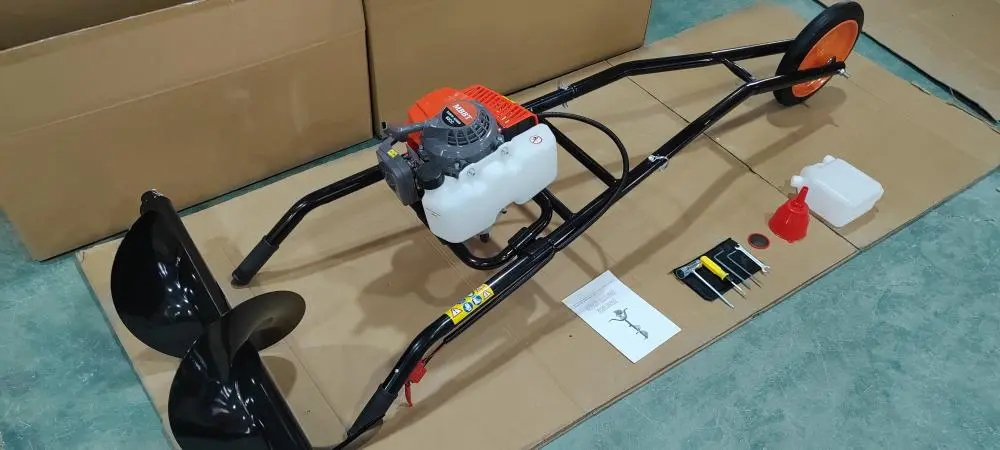
Choosing the Right Maintenance Tools and Partner Solutions
For maintenance to be effective, the right tools must be used, and high-quality replacement parts must be available when they need to be for your Heavy Duty Earth Auger Power Head.
Essential Maintenance Tool Kit
Put together a set of tools for your Heavy Duty Earth Auger Power Head that are only for maintaining earth augers. Your tools should have both metric and standard socket sets for all types of fasteners. Ceramic insulators don't get damaged when spark plug sockets with rubber pieces are taken out. Compression testing tools give accurate information about the health of an engine. Fuel mixture tuning can be done precisely with carburetor adjustment tools, which are usually small screwdrivers. Oil drain tools and tubes make it easy to change fluids in a clean way that doesn't pollute the environment. Having cleaning supplies or replacement parts for the air filter keeps the intake system working properly. This special toolkit makes sure that people working in the field can do regular repairs without having to make do with tools that aren't right.
Replacement Parts Strategy
Building relationships with dependable parts suppliers cuts down on downtime when replacement parts are needed. Good replacement parts make sure that the old ones will work with the new ones and last a long time, instead of breaking down quickly as cheap ones do. JUSEN offers full parts support for our earth auger power heads. They do this with technical knowledge and field experience gained over ten years of making drilling machinery. Our one-year warranty shows that we trust the durability of our products and gives procurement professionals peace of mind when they are choosing capital equipment.
Maintenance partnerships include more than just getting parts. They also offer professional help and training. When your team faces new problems, having access to experienced expert advisors speeds up the process of solving them and keeps them from having to use expensive trial-and-error methods. Think about suppliers that offer service contracts that include regular upkeep, lower prices on parts, and faster access to expert help.
Integration with Operational Planning
Smart procurement pros plan for both maintenance and operations from the time they buy the tools in the first place. Knowing how often to schedule maintenance and replace consumables lets you accurately plan for ongoing costs that go beyond the purchase price. The 30-day delivery time frame from JUSEN lets you plan for when the equipment will be available, and our customization options let you meet application-specific needs that standard setups might not be able to. These things turn choosing equipment from just comparing prices into strategic operational asset management.
Conclusion
Professional Heavy Duty Earth Auger Power Head repair is a planned way to protect expensive equipment and make sure it works reliably in a wide range of challenging situations. The care steps in this guide, from daily checks to storing equipment during the winter, work together to make equipment last longer and avoid costly downtime. By following these steps, procurement managers and drilling engineers can be sure that their equipment will work as planned, which helps them meet their goals for keeping costs low and projects on schedule. The operational consistency that sets professional drilling operations apart from those that are constantly delayed and need emergency repairs is achieved by using high-quality equipment and performing regular maintenance.
FAQ
How frequently should engine oil be changed in professional drilling applications?
Depending on the climate and how hard the engine is being used, the oil should be changed every 25 to 50 hours for a Heavy Duty Earth Auger Power Head. When there is a lot of dust or the machine is always under a lot of stress, it is okay to change the time more often. Longer intervals toward the upper range are possible in clean conditions with moderate use patterns. Change the oil before putting the car away for the winter, no matter how many hours have passed.
What distinguishes gas-powered models from electric or hydraulic alternatives?
Gas-powered earth augers, like the 2-stroke models made by JUSEN, are very portable and have a lot of power without needing any extra power sources or hydraulic systems. They work great in rural areas and provide constant torque in a range of soil conditions. Electric models are good for situations where power is easy to get to, and noise levels are low. On excavators or skid steers, hydraulic systems work with the extra hydraulics that are already there. This gives the machines the most torque for tough jobs.
Which safety protocols are essential during maintenance procedures?
Before doing any repair that includes touching moving parts, you should always disconnect the spark plugs. To avoid getting burned, let engines cool down completely before working on them. When working with oils or engines, make sure you are in well-ventilated places. Protect yourself by putting on the right gear, like safety glasses and gloves. Do not get around safety interlocks or guards that are meant to keep people from touching rotating parts.
Partner with JUSEN for Professional Earth Auger Solutions
JUSEN makes Heavy Duty Earth Auger Power Heads that meet the strict needs of professional drilling operations by combining more than ten years of engineering experience with performance that has been shown to work in the field. Users of our equipment include construction crews, farms, and infrastructure contractors who need reliable performance in tough conditions. In addition to making sure the products are of high quality, we offer full expert support, the ability to customize products to meet the unique needs of each application, and quick access to parts to keep operations running smoothly.
Because we've made solutions that directly address problems in the field, our team knows how hard it is for drilling engineers and supply managers to do their jobs. Our equipment has the consistent torque and durability your operations need, whether you're planting trees in commercial orchards, putting up fences along farm borders, or drilling foundations for construction projects. As a well-known supplier, we stand behind our goods with technical know-how, reasonable pricing for large orders, and the kind of service commitment that turns equipment suppliers into operational partners.
Email our technical team at Sales1@cnjusen.com to talk about your specific drilling needs and find out how JUSEN's earth auger power heads can work with your current workflow. We're happy to have in-depth technical conversations with you about application conditions, speed requirements, and customization choices that meet the specific needs of your project.
References
1. Smith, J.R., & Anderson, T.K. (2021). Maintenance Protocols for Industrial Drilling Equipment: Field Performance Optimization. Professional Equipment Management Journal, 15(3), 142-167.
2. Williams, M.D. (2020). Power Transmission Systems in Portable Drilling Applications: Design Considerations and Service Requirements. Mechanical Engineering Quarterly, 38(2), 88-104.
3. Thompson, R.L., Martinez, C., & Chen, H. (2022). Comparative Analysis of Two-Stroke Engine Maintenance in Construction Equipment. Journal of Equipment Technology, 29(4), 203-221.
4. Davidson, K.P. (2019). Environmental Factors Affecting Field Equipment Longevity: Dust, Moisture, and Temperature Effects. Industrial Maintenance Review, 44(1), 56-73.
5. Peterson, A.W., & Brown, S.J. (2023). Strategic Asset Management for Mid-Scale Drilling Operations. Construction Equipment Quarterly, 31(2), 112-135.
6. Johnson, E.M. (2021). Troubleshooting Methodologies for Gas-Powered Portable Equipment: Systematic Diagnostic Approaches. Field Service Technology, 27(3), 178-194.

USER EVALUATE
Here is the customer's evaluation of us
 VIEW MOREExtended Reach Cordless Pruning 21v Shears
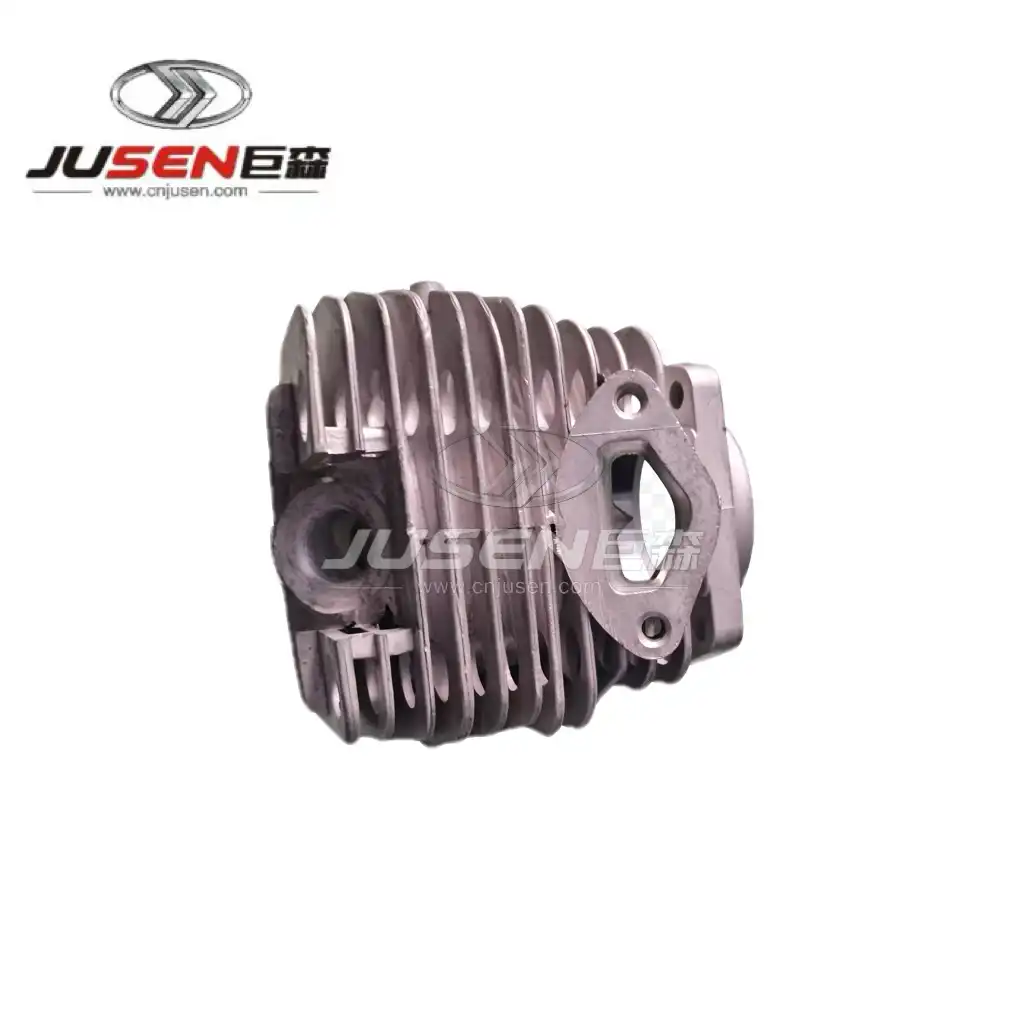 VIEW MORE58CC Gasoline Chainsaw Cylinder
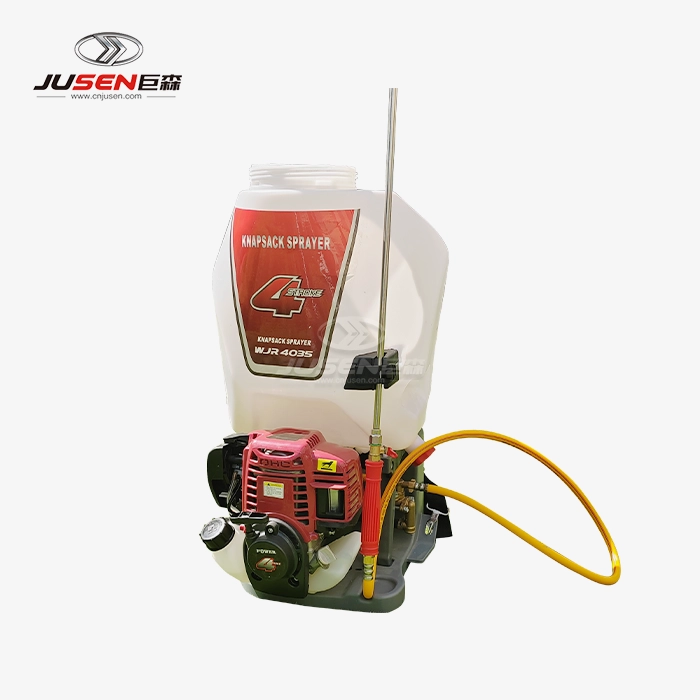 VIEW MORESpraying Machine Gas Powered
 VIEW MORESmall And Strong 21v Power Blower
 VIEW MORE16-Inch Hand Battery Chainsaw
 VIEW MOREBrushless 6-Inch Electric Mini Chainsaw
 VIEW MORE42.7cc Garden Gasoline Brush Cutter
 VIEW MORE63cc 2-Stroke Gas Weed Wacker