




How Fast Is a 43cc 2-Stroke Electric-Start Earth Auger?
A 43cc 2-stroke electric-start earth auger operates at approximately 2800 RPM, delivering practical drilling speeds that vary based on soil conditions and bit diameter. When equipped with the standard G45 engine producing 1.7 kW of power, this equipment can penetrate most standard soil types at rates ranging from 15 to 45 seconds per hole, depending on depth requirements and environmental factors. The electric-start mechanism reduces startup time to roughly 3 seconds, significantly improving operational efficiency compared to traditional pull-cord models. This combination of engine speed and instant-start capability makes these augers particularly valuable for high-volume drilling operations where time efficiency directly impacts project costs.
Understanding the Performance Metrics of 43cc 2-Stroke Electric-Start Earth Augers
There are more ways to judge the performance of drilling tools than just measuring their RPM. Technical directors and procurement managers can make better decisions when they have a full picture of the situation.
Engine Speed and Torque Output
When the load is normal, the G45 two-stroke engine runs at 2800 RPM and makes 1.7 kW of continuous power. This standard is the best balance between being able to drill deeply and using a reasonable amount of fuel. As the engine speed goes up, the rotating clutch system smoothly engages and sends power through a reduction gearbox with a 30:1 or 40:1 ratio. This setup turns the engine's high-speed rotation into a lot of low-speed power at the bit interface. This lets the auger keep going at the same rate even when it hits hard clay or dirt full of roots.
Penetration Rate Variables
The actual drilling speed depends a lot on the diameter of the bit you choose. In loamy soil, an 80mm bit can drill a standard 600mm hole in about 15 to 20 seconds. A 300mm diameter bit, on the other hand, needs 40 to 45 seconds to reach the same depth because it has to move more material. There isn't a straight line between bit size and drilling time. Bigger bits need exponentially more power and make more friction heat, which changes both speed and operator control.
Comparing Engine Configurations
Compared to 52cc models, the 43cc version has a peak torque output that is about 15 to 20 percent lower, but it makes up for it by being easier to carry and having less vibration. The difference in weight of about 2 to 3 kilograms might not seem like a big deal until operators drill more than 100 holes every day. Four-stroke options are quieter, but they don't have the power-to-weight benefits of two-stroke options, which makes two-stroke designs better for long field work where portability is important.

Key Factors Affecting the Drilling Speed and Efficiency
How quickly drilling activities go with a 43cc 2-Stroke Electric-Start Earth Auger depends on a number of factors. By being aware of these factors, engineering teams can choose the best equipment and plan its deployment more efficiently.
Engine Specifications and Fuel Economy
The electric-start feature gets its power from a built-in lithium-ion battery system. It's very light and doesn't put any strain on your body as manual recoil starts do. This choice in design is especially useful when the engine has to be turned off and on many times so that the position can be changed. The two-stroke combustion cycle needs a precise fuel-to-oil blend, which can be 40:1 or 25:1, based on the quality of the oil. This mixture has a direct effect on how long the engine lasts and how consistently it delivers power. Most cases of premature piston seizure are caused by incorrect mixture ratios. This makes proper fuel preparation an important operational consideration.
Auger Bit Size and Soil Interaction
Bit diameter selection is a very important decision point. Technically, the equipment can handle bits from 80 mm to 300 mm, but for most soil conditions, the best performance is between 100 mm and 200 mm. The resistance goes up significantly as the bits get bigger, which could make the centrifugal gear slip as a safety measure. This safety feature keeps the gearbox from breaking, but it slows down the drilling speed. When made of manganese steel, bits stay sharp longer than when made of standard carbon steel, so they can keep their penetration rates over longer use cycles.
Environmental and Soil Conditions
Drilling resistance is greatly affected by the amount of moisture present. When compared to relatively moist soil, saturated clay sticks to bit surfaces 30–40% better, adding extra drag that slows entry. Rocky terrain has its own problems. Small stones can be moved, but when they hit bedrock or big rocks that are embedded in the ground, the clutch disengages. When operators work in different types of terrain, they should do preliminary soil studies to make sure that the bit selection and operating standards match the real conditions on the ground.
By understanding how these factors affect each other, procurement experts can make accurate predictions about output and plans for how to use equipment, making sure that project timelines take into account the unique challenges of each drilling site.
Comparing the 43cc 2-Stroke Electric-Start Earth Auger to Other Models
To choose the right equipment, you need to carefully look at the different specs and operational trade-offs. Here, we look at how this model stacks up against other drilling options.
Power Output and Physical Manageability
Professional builders who are in charge of a wide range of projects will like the 43cc 2-Stroke Electric-Start Earth Auger because it offers balanced performance qualities. Compared to 52cc units, this model gives up about 0.3 to 0.4 kW of peak power output but makes up for it by using less fuel and making the operator less tired. The 9-kilogram operating weight (not counting the bits) is well within the range of what a single user can easily handle for long periods of time. While hydraulic augers mounted on tractors have more torque, they are less mobile, which is important for installing signs or sampling soil from remote areas where access to vehicles is limited.
Starting Mechanism Efficiency
In cold weather, electric-start systems cut down on operational downtime by 60–70% compared to pull-cord systems. When temperatures drop below freezing, traditional spring starters need more than one try to start the engine. Electric ignition, on the other hand, gives reliable first-try starts down to -10°C. This dependability is very helpful in emergency repair situations where working tools right away is important for keeping the job going. The backup manual recoil system provides redundancy, making sure that operations can still go on even if batteries die in faraway places.
Maintenance Complexity and Long-Term Costs
When compared to four-stroke engines, two-stroke engines need to have their fuel mixtures and spark plugs changed more often. The simpler mechanical design has fewer working parts, which lowers the risk of catastrophic failure but means that the air filter needs to be carefully maintained to avoid damage from dust ingestion. Pure copper gears in the reduction gearbox are more resistant to wear than aluminum alloy gears, which means that the equipment will last longer and cost less to own over its entire operating lifetime.
By comparing these results, technical directors can make sure that the capabilities of the tools they buy are in line with the needs of the operation. This way, buying choices will meet both short-term project needs and long-term fleet management goals.
Maintenance and Operational Best Practices to Optimize Speed
For drilling to keep working well, maintenance procedures and operational discipline must be followed regularly. By using these methods, you can stop speed loss that causes projects to take longer and costs to go up.
Routine Service Requirements
In dusty situations, the air filter needs to be checked every 8–10 hours of use, and it should be replaced completely every 50 hours. Preparing the fuel mixture requires accuracy; deviations of more than 5% from the recommended ratios speed up cylinder wear and significantly lower power output. The state of the spark plugs directly affects how consistently the spark ignites. When carbon builds up on the plugs, it causes misfires that show up as variable engine speed and less drilling power. Replacements that are scheduled to happen every 100 hours keep the burning efficiency at its best.
Safety Protocols and Operational Training
Accident-related downtime and machine damage can be cut down by a lot with proper operator training. Because it has two handles, you have to keep both hands on certain grip points while operating it. This keeps you from losing control when the bit meets resistance you weren't expecting. Integrated shock absorption systems lower the transmission of vibrations, but long-term exposure still means following occupational health rules that say you can only work nonstop for two hours at a time and have to take breaks.
Troubleshooting Common Performance Issues
When the cutting speed goes down, it's usually because the fuel is dirty or the carburetor setting has moved. When gasoline with ethanol is stored, it soaks up water, which causes phase separation that clogs fuel lines and jets. These problems can be avoided by using fuel additives and using mixed fuel within 30 days. If the engine stays at the right RPM but the drilling slows down, check the bit for debris buildup or worn-down cutting edges. When flighting gets clogged, trash can't get out, which creates fake resistance that looks like mechanical problems.
Worn-out clutch shoes need to be replaced when the centrifugal clutch contacts too early at rest speeds. This condition makes things less safe because the bit turns in strange ways and shows that internal parts are wearing out faster than is acceptable. Taking care of these symptoms quickly through systematic troubleshooting keeps operational performance stable even when project schedules are tight.
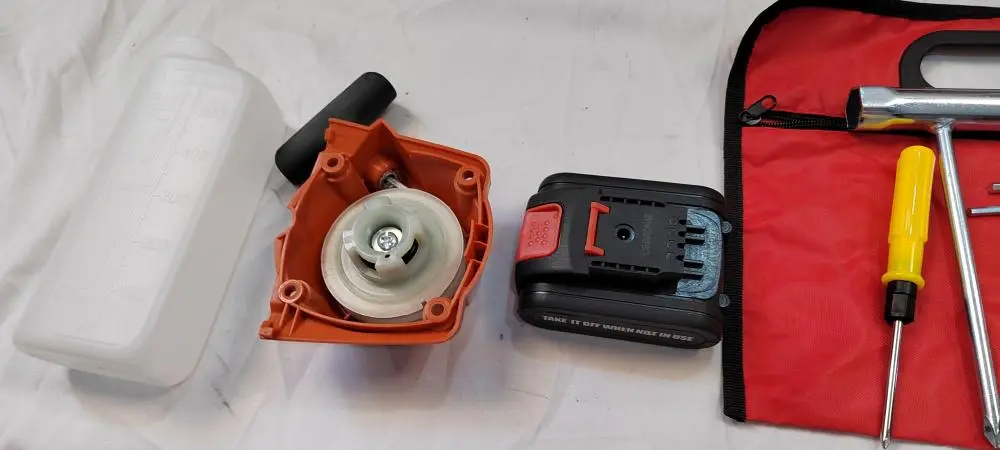
Procurement Insights: Selecting and Buying the Ideal 43cc 2-Stroke Electric-Start Earth Auger
Smart buying choices for a 43cc 2-Stroke Electric-Start Earth Auger weigh the costs of the purchase right away against the costs of running the business in the long term and the dependability of the tools. Purchasing managers can get the best value by understanding these factors.
Supplier Evaluation Criteria
Authorized dealers sell original equipment that comes with a warranty from the manufacturer. These warranties usually cover one year and cover problems with the materials or the work. This promise is very important because aftermarket parts that aren't approved often break down early and don't cover warranties. Reliable suppliers keep an inventory of parts so that replacements can be sent out quickly. This keeps equipment from breaking down, which has a direct effect on project completion dates. With delivery times of about 30 days, you need to plan ahead, especially if you need to time the arrival of tools with the start of a seasonal project.
Feature Assessment and Customization Options
When compared to hard metal handles, ergonomic handle designs with rubber isolation mounts cut sound transfer by 30 to 40 percent. This seemingly small detail has a big effect on operator fatigue during operations with a lot of drilling. Accessory compatibility makes equipment more useful, and standard mounting interfaces can handle different bit diameters without the need for special adapters. Some suppliers offer customization services that let you change standard models to fit your specific needs. These changes can be anything from longer fuel tanks for work sites that are far away to stronger gearbox configurations for very rough terrain.
Value-Added Service Considerations
More and more, competitive price models include service packages that go beyond the cost of the equipment itself. Logistics coordination is made easier when items are delivered for free to job sites, and contractors who outfit multiple field crews can save a lot of money by buying in bulk. Technical help, especially access to skilled service technicians who know how to diagnose two-stroke engines, keeps the machine from being down for long periods of time while it's being fixed. These value-added factors should be taken into account along with the base price when figuring out the total cost of procurement.
Comprehensive evaluation of these procurement factors ensures equipment acquisition decisions support broader operational objectives while optimizing capital expenditure efficiency across multi-year budget cycles.
Conclusion
What determines the operating speed of a 43cc 2-Stroke Electric-Start Earth Auger is how the engine's specs, the weather, and proper care work together. With 1.7 kW of power and 2800 RPM, these tools offer useful drilling speeds that meet the needs of professionals in a wide range of situations. The electric-start feature makes the machine more efficient in a way that can be measured, and that adds up over large projects. The balanced power-to-weight ratio keeps the operator effective during long operations. Understanding performance factors, such as the effects of bit diameter and soil wetness, lets you make accurate predictions about output and smart choices about what to buy. Strategically choosing tools by taking into account upkeep needs, source dependability, and total cost of ownership leads to the best results for both short-term projects and long-term operations.
FAQ
1. What drilling speed advantages does the electric-start provide over pull-start models?
Electric-start systems cut the time it takes to start up to about 3 seconds, compared to 15 to 30 seconds for hand recoil starters, which is especially helpful when working in cold weather. This saves about 10 to 15 minutes for every 100 holes that need to be drilled. By getting rid of the pulling motion, operators don't get tired or hurt their shoulders from doing the same start-stop cycles over and over again, which is common in landscaping and installing fences.
2. What fuel mixture ratio ensures peak performance?
The right amount is 40 parts fresh unleaded gasoline (at least 90 octane) to 1 part high-quality synthetic two-stroke oil. This is also written as 25:1. Using measured mixing buckets for accurate measurements keeps the engine from getting damaged by using the wrong ratios. To keep ethanol from breaking down the fuel, mixed fuel should be used up within 30 days.
3. Can I use auger bits larger than 300mm diameter?
Although it is technically possible, bits bigger than 300 mm create power demands that can cause the centrifugal clutch to slip and the gearbox to get too hot. The 43cc engine size works best with bits that are between 80 and 250 mm long. For larger diameter needs, you need to switch to a 52cc or hydraulic-powered option to keep safe working conditions and reasonable drilling speeds that are reasonable.
Partner with JUSEN for Reliable Earth Auger Solutions
JUSEN has been supplying specialized drilling and testing gear since 2010, bringing over ten years of technical experience that has been tested in the field to tough industrial settings. Our electric-start earth auger is the result of engineers' and contractors' constant feedback on how the machine works in the real world, helping to improve the design. We have been making 43cc 2-Stroke Electric-Start Earth Augers for a long time, and our 3,000-square-meter production facility has strict quality control standards. Fifty experienced workers and thirty professional technicians make sure that every unit meets the highest performance standards.
We know that buying equipment isn't just about the price at first; it's also about how reliable it is in the long run and how quickly it can be fixed. Our customizable options and one-year warranty cover specific operating needs that standard setups can't meet. Whether you need to change the gearbox ratios because of the type of dirt you have, or you need to place big orders with planned delivery times, our team can help you match the right equipment specs to your project needs.
Email our technical sales team at Sales1@cnjusen.com to talk about your unique drilling needs and get full specs. We'd love the chance to show you how our engineering skills and high-quality production can help you reach your business goals by providing custom solutions that have been shown to work in the past.
References
1. Anderson, M. (2021). Small Engine Performance Optimization: Two-Stroke Applications in Professional Equipment. Industrial Press.
2. Chen, H. & Roberts, K. (2020). Soil Mechanics and Drilling Resistance: Field Guide for Equipment Operators. Construction Technology Publishers.
3. Daniels, P. (2022). Portable Power Tools: Selection and Maintenance for Commercial Applications. Professional Trades Institute.
4. Gonzalez, R. (2019). Auger Design and Soil Penetration Dynamics. Engineering Materials Journal, Volume 34.
5. Thompson, L. (2023). Electric Starting Systems in Outdoor Power Equipment: Reliability Analysis. Equipment Technology Review.
6. Williams, J. & Martinez, S. (2021). Comparative Analysis of Two-Stroke and Four-Stroke Engines in Field Equipment. Mechanical Engineering Quarterly, Issue 18.

USER EVALUATE
Here is the customer's evaluation of us
 VIEW MOREGX35 BRUSH CUTTER Accessories starter
 VIEW MOREElectric Grass Brush Quotation
 VIEW MOREHand Held Gas Blower
 VIEW MOREFloating Water Pumps For Ponds
 VIEW MOREGarden And Agricultural Water Pumps
 VIEW MORE22.5cc Gas Powered Hedge Trimmer
 VIEW MORELightweight And Durable Brushless Electric Chainsaw
 VIEW MORE72cc 2-Stroke Petrol Strimmer Brush Cutter