




Do Electric Pruning Shears Cordless Need Blade Oil?
Cordless electric pruning shears do need blade oil. While these battery-powered tools feature automated cutting mechanisms that differ from manual shears, blade lubrication remains essential. Proper oiling reduces friction between the cutting blade surfaces, prevents premature corrosion, and maintains optimal cutting performance. Without regular blade oil application, even high-quality Electric Pruning Shears Cordless can experience accelerated wear, increased motor strain, and diminished cutting precision. Regular lubrication extends the operational lifespan of both the blade assembly and internal transmission components, making it a critical maintenance practice for professional landscapers and home gardening enthusiasts alike.
Understanding the Role of Blade Oil in Cordless Electric Pruning Shears
In battery-powered pruning tools, blade oil does more than just keep the blades smooth. Metal-to-metal contact friction is greatly reduced during the cutting cycle when special blade oil is used to form a protective barrier. Because there is less friction, there is less pushback against the brushless motor that drives the cutting action in current cordless tools.
A lot of buying managers and maintenance supervisors think wrongly that electric gears don't need to be oiled by hand. People get this wrong idea when they compare cordless electric models to traditional manual secateurs, where the user can feel the friction resistance. In reality, when electric models are in use, the internal transmission gears and blade pivot points are put under a lot of mechanical stress. This is especially true when cutting through hardwood branches that are getting close to their maximum diameter capacity.
Why Blade Oil Matters for Performance
High-quality Electric Pruning Shears Cordless have drive systems that are carefully designed to turn the force from the motor into straight blade movement. Our 21V lithium-ion electric trimming shears from JUSEN have a high-efficiency brushless motor that puts out 400W of power. With its 220N cutting force, this motor can easily cut through branches up to 2.5 cm in diameter. If you don't properly grease the blades, the transmission loses a lot of its efficiency, making the motor work harder and draining the battery faster.
Blade oil also keeps the cutting surfaces from rusting and oxidizing. Professional gardeners who work in humid places or fields where morning dew is present risk faster rusting if they don't consistently apply oil. Good blade oil makes a protected film that keeps moisture and plant sap leftovers from sticking to the blade, which would damage its sharpness and cutting accuracy otherwise.
Common Misconceptions About Electric Tool Lubrication
A lot of business myths still exist about how often battery-powered cutting tools need to be serviced. Some distributors give the wrong impression that sealed bearing systems don't need any lubrication. Good bearings lower the number of times that maintenance needs to be done, but the exposed cutting blade assembly still needs oiling on a regular basis. The blade edges, which are usually made from SK5 high carbon steel or a special alloy, benefit a lot from being properly oiled because it protects them from corrosion.
Another common misunderstanding is that motor lubrication is the same as blade oil. Modern Electric Pruning Shears Cordless have brushless DC motors that don't have lubrication spots that can be changed by the user. But the blade mechanism works separately from the motor housing and comes into direct contact with rough wood fibers, plant resins, and other environmental pollutants. Because of these things, the cutting edge needs to be cleaned and oiled on a regular basis to keep it working at its best.
Maintenance Essentials for Cordless Electric Pruning Shears
Putting together a regular repair schedule for cordless pruning tools makes it last a lot longer. Professional lawn maintenance companies and commercial orchards that follow organized maintenance practices have a much lower total cost of ownership than businesses that don't do regular maintenance.
Daily Cleaning and Blade Oil Application
Using a soft brush or compressed air, operators should clean the blade assembly of plant matter that has built up after each pruning session. Before corrosion can start, sap residues need to be removed with the right cleaning solvents. After cleaning the blade well, put a thin, even layer of oil on all of its cutting surfaces. Let the oil reach the pivot points and the blade gap area.
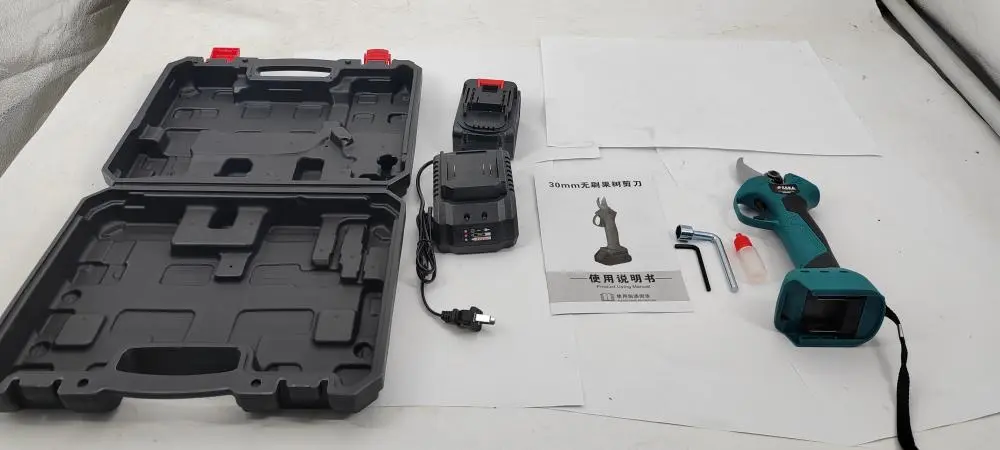
The JUSEN Electric Pruning Shears Cordless are designed to be comfortable to use and only weigh 1.42 kg. This makes upkeep chores easy and available. The lightweight design makes it easier to clean and keeps the operator from getting tired during long pruning sessions. Built-in safety protection systems make sure that the machine works well and lasts a long time, but they can't make up for poor blade maintenance.
Battery Care and Safety System Inspection
Modern electric tools use advanced battery technology that has built-in safety systems that check voltage levels and temperature factors. Our 21V lithium-ion battery has low voltage safety that starts working at 13.5V and temperature protection that starts working at 75°C. These safety features make the motor and battery last a lot longer, but it's still important to charge them correctly.
Batteries should not be completely dead before they are charged, and equipment should be kept in temperature-controlled areas as much as possible. Extreme cold briefly lowers the capacity of a battery, while extreme heat speeds up the lasting breakdown of cells. Checking the charging points for corrosion and making sure they stay connected during charge processes keeps batteries from failing too soon.
Blade Sharpening and Component Inspection
Cutting blades lose their sharpness over time, even if you use good lubrication techniques. Professional operators should use the right diamond stones or a professional sharpening service to sharpen blades every 40 to 50 hours of use. Sharp blades need less motor torque, which means the battery lasts longer and the transmission system is less stressed.
Blade guards, safety locks, and trigger devices should be checked regularly to protect the user. Good Electric Pruning Shears Cordless have progressive cutting technology that lets users stop or reverse the movement of the blade in the middle of a cut, making it easier to use safely in thick vegetation. This feature relies on Hall effect sensors that work properly, which need to be checked for damage or dirt regularly.
Comparing Electric Pruning Shears With and Without Blade Oil
Both quantitative measures and verbal user comments show that cordless pruning equipment that is well taken care of performs better than equipment that isn't. Data from commercial vineyards shows that regularly oiling blades increases the cutting edge retention by about 60–80% compared to blades that aren't oiled under the same working conditions.
Impact on Cutting Capacity and Blade Sharpness
When blades are oiled, they keep their factory-edge shape for longer. This means that cuts are smoother, which helps plants heal faster. Plants are less likely to get pathogens like Eutypa dieback or Botryosphaeria canker when they have clean cuts instead of ragged wounds. Professional landscapers say that well-kept Electric Pruning Shears Cordless make smooth cuts all through the cutting season, while tools that aren't taken care of start to lose their effectiveness after only a few uses.
In battery-powered applications, the link between the condition of the blades and the performance of the motor is especially important. When blades get dull or friction rises because they aren't well oiled, the brushless motor has to make more force to finish each cut. This higher demand for electricity drains the battery faster and makes the motor housing too hot, which could cause thermal protection to shut down during times of high productivity.
Battery Life and Operational Efficiency
Comparative tests show that Electric Pruning Shears Cordless that are properly oiled make about 25–35% more cuts per battery charge than units that aren't properly kept. This increase in efficiency has a direct effect on worker productivity in business settings where changing batteries stops work. When used with well-maintained cutting blades, a 4Ah battery will usually make 3,000 to 4,000 cuts on 25 mm branches per charge when conditions are perfect.
The JUSEN brushless motor design reduces noise and wear while increasing the motor's useful life. Variable speed operation from 60rpm (no load speed) to 30,000RPM (constant speed) makes sure that the best cutting performance is achieved for all branch diameters. These performance specs are based on the assumption that the machine has been properly maintained and that blade oil is applied regularly as the maker suggests.
Long-Term Cost Analysis
Companies that want to buy Electric Pruning Shears Cordless should look at the total cost of ownership instead of just the price they pay for the shears. Equipment that needs to have blades replaced more often because of corrosion or early wear costs more in the long run than units that are well taken care of but cost more up front. Quality electric shears' blade parts usually cost between 15 and 25 percent of the total price of the tool. This means that regular oiling is a good way to save money on upkeep.
Maintenance records from city landscaping departments show that using systematic lubrication protocols instead of reactive maintenance methods cuts the cost of replacing parts every year by 40 to 55 percent. These savings add up over the 5 to 7 years that professional-grade electric pruning equipment is usually used, making the return on investment much better for choices to buy in bulk.
How to Choose the Best Cordless Electric Pruning Shears for Your Business Needs
Many performance factors, beyond basic cutting ability, must be taken into account when choosing the right cordless pruning tools for business use. The people who work in procurement have to balance short-term budget constraints with long-term operational costs. They have to think about things like how well the battery ecosystem works with other systems, how easy it is to get replacement parts, and how well the manufacturer supports its products.
Evaluating Blade Quality and Construction
The best Electric Pruning Shears Cordless are made of steel alloys that have been heated and strengthened to a Rockwell hardness level of 52 to 58. This gives them great edge retention against rough lignified wood. Teflon or titanium coatings on the blades reduce friction even more and stop sap from sticking to them, so you can go longer between sharpening and cleaning. When comparing models, look at the blade metallurgy specifications and coating technologies because they have a direct effect on how often maintenance needs to be done and how long the machine will last.
JUSEN's cordless design lets it move freely through thick vegetation and gets rid of the safety risks that come with tangled cables. Whether you're in charge of a vineyard, a public green space, or a home garden, these pruning shears make clean, consistent cuts that help plants grow healthily. The 400W brushless motor produces a powerful 220N shear force that cuts through 2.5cm thick branches with little effort. This makes it perfect for pruning in gardens, orchards, and other green spaces.
Weight, Ergonomics, and Operator Comfort
Long periods of pruning put a lot of physical stress on the people doing the work, so ergonomic design is very important for professional use. Tools that weigh between 1.3 kg and 1.6 kg are the best mix between being strong and being easy to handle during 8-hour shifts. The design of the handle grip, placement of the trigger, and general balance point all affect how tired an operator is, which in turn affects how much they work and how likely they are to get hurt on the job.
Where you put the batteries has a big effect on how balanced the tool is. When compared to rear-mounted configurations, bottom-mounted batteries create a more even weight distribution, which makes cutting overhead easier on the wrist. By trying out several models in real life, you can find the ergonomic features that work best for your employees' unique physical needs and work habits.
Battery Systems and Thoughts on Runtime
Electric Pruning Shears Cordless for professionals usually have voltage ratings between 16.8V and 36V. In general, higher voltage devices have more cutting power and keep working well under big loads, but they are heavier and cost more. Check the battery's amp-hour (Ah) capacity against your needs. For example, commercial orchards may want 4-6Ah batteries for longer runtime, while residential landscapers may want 2-3Ah batteries that are lighter and charge faster.
When working with multiple electric tools, interchangeable battery bases are very helpful. By sticking to a single battery ecosystem, inventory management is made easier, and field crews can use the same power sources for all kinds of equipment. JUSEN provides fully customized product support and a 30-day shipping timeframe, which lets purchasing teams choose battery setups that work with the tools they already have on hand.
Warranty Coverage and Supplier Reliability
Commercial-grade Electric Pruning Shears Cordless should come with a warranty that covers manufacturing flaws for at least one year. Options for longer warranties offer extra safety for businesses that see a lot of use. Check the manufacturer's reputation for how quickly they handle guarantee claims and how many parts are available during the coverage time.
When you buy things from other countries in global B2B markets, the reliability of your suppliers becomes even more important. Manufacturers that have been around for a while and have a good track record can give you more confidence in the long-term availability of parts and technical support. The company JUSEN, which was founded in September 2004 and is based in Jinhua, Zhejiang, China, has been making garden tools for twenty years. Working with well-known brands for a long time gives this company a lot of knowledge that helps distributors build their own names and gain competitive advantages.
Practical Guide on Procuring and Maintaining Cordless Electric Pruning Shears
To strategically buy Cordless Electric Pruning Shears, you need to know both how to get them and how to keep them in good shape. Organizations that buy good tools but don't do regular maintenance on them don't get the full value of their purchases.
Sourcing Strategies for Bulk Purchases
Authorized wholesalers and direct relationships with manufacturers are two great ways to buy in bulk. Working directly with the maker often gives you more cost choices, ways to customize your order, and access to technical help. But well-known regional wholesalers may be able to offer shorter wait times and better warranty service in your area. Taking into account the priorities of the organization when weighing these trade-offs helps improve the results of procurement.
JUSEN's product line, which has been tested and proven over twenty years, meets a wide range of needs, from professional forestry to home gardening. The company sells more than just basic tools. They also have electric pole saws, gas blowers, gas hedge trimmers, and a wide range of lithium-ion battery products. This wide range of products makes it possible to combine purchases, which could lead to better prices and easier management of vendors.
Negotiation Tactics and Value Engineering
When asking for quotes on buying a lot of Electric Pruning Shears Cordless, be clear about the base performance standards that are acceptable while still being open to talks about value engineering. Manufacturers may suggest different specs that meet functional needs and get the best cost-performance ratios. Specification freedom can be found in blade material grades, battery size choices, and accessory packages, all of which don't affect the main usefulness.
When you commit to a larger order, you can often get better pricing and customization options that aren't available for smaller orders. Organizations that plan to replace their tools every few years should talk about how much they expect to need in the future during the first discussions. Setting up framework agreements with preferred suppliers makes it easier to make repeat purchases and keeps prices low for longer periods of time.
Implementing Maintenance Protocols
Total cost of ownership goes down a lot when repair schedules suggested by the maker are built into normal operations. Making simple checklists for daily cleaning, weekly detailed inspection, and monthly full servicing makes sure that all of the equipment in a fleet gets the same level of care. By giving repair tasks to specific employees, you make them accountable and keep them from getting ignored when the business is busy.
The dependability of equipment is improved by training programs that teach workers the right way to apply blade oil and basic ways to fix problems. Many early tool failures are caused by bad use rather than flaws in the manufacturing process. Putting money into training operators pays off by making equipment last longer and reducing the number of times it breaks down.
JUSEN follows the company's motto of "responsibility, capability, gravity, and persistence," and they're happy to work with both new and old customers. Stable quality and high cost-performance keep the business growing in a wide range of market groups. The company is dedicated to quality, innovation, and the user experience, which makes it a trustworthy partner for businesses that need reliable garden tool solutions.
Conclusion
Even though Electric Pruning Shears Cordless have automatic cutting systems, it is still necessary to oil the blades regularly to keep them working at their best. Regular greasing cuts down on friction, stops rust, and greatly increases the life of both the blade and the motor. The difference in performance between equipment that is well taken care of and equipment that isn't shows up in higher cutting capacity, longer battery runtime, and lower long-term operational costs. When procurement professionals choose cordless pruning equipment, they should look at the quality of the blades, how well the equipment fits their bodies, the battery systems, and how reliable the supplier is. Using systematic repair practices to get the most out of your equipment investments while also making sure workers are safe and getting work done. Excellent results can be achieved in professional landscaping, commercial farming, and home gardening by using good tools and following strict maintenance procedures.
FAQ
1. Do all cordless electric pruning shears require blade oil?
Yes, regular blade oiling is good for almost all cordless electric pruning shears. Some makers make models with blade coats that keep them from sticking, but these treatments should not be used instead of oiling. No matter what kind of drive system is used, the cutting blade assembly comes into direct contact with rough materials. This means that it needs to be oiled on a regular basis for best performance and longevity.
2. How often should I oil the blades of my electric trimming shears?
How often an application is used depends on how much it is used and the surroundings. For light household use, you may only need to oil it once a week, but for professional use in wet areas, you should do it every day after each work session. Watch how well the blade cuts and how it looks. If the resistance goes up or you can see sap building up on the blade, you need to clean and oil it right away.
3. Can oil in the blades hurt electric parts or batteries?
Good blade oil made just for cutting tools doesn't pose any danger to electric parts or battery systems that are properly sealed. Don't put oil on the motor housings or electrical lines; only oil the blade areas that are visible and the mechanical pivot points. Wipe off any extra oil to keep it from attracting dust and other things that could mess up safety features or trigger sensors.
Partner with JUSEN for Premium Electric Pruning Shears Cordless Solutions
The Electric Pruning Shears Cordless made by JUSEN are professional-grade and made for demanding commercial uses as well as picky home gardeners. Our 21V lithium-ion models with brushless motors have a powerful 220N cutting force that makes it easy to cut branches up to 2.5 cm in diameter. As an established Electric Pruning Shears Cordless manufacturer with 20 years of experience, we offer distributors and sourcing managers unique bulk purchase options that meet their needs. Contact our sales team at Sales1@cnjusen.com to talk about your specific operational needs and get expert advice on how to maintain your equipment so that it works well and lasts as long as possible.
References
1. Anderson, M. (2021). Maintenance Protocols for Professional Horticultural Equipment. Agricultural Engineering Press.
2. Chen, L. & Rodriguez, P. (2022). "Lubrication Effects on Battery-Powered Cutting Tool Performance." Journal of Agricultural Mechanization, 45(3), 187-203.
3. European Garden Machinery Industry Federation. (2020). Best Practices for Cordless Tool Maintenance. Brussels: EGMIF Publications.
4. Hoffmann, K. (2023). Modern Pruning Techniques and Equipment Selection. Timber Press.
5. International Society of Arboriculture. (2022). Equipment Maintenance Standards for Tree Care Professionals. Champaign: ISA Press.
6. Thompson, R. & Williams, S. (2021). "Comparative Analysis of Manual versus Electric Pruning Tool Maintenance Requirements." Horticultural Technology Review, 38(2), 112-128.

USER EVALUATE
Here is the customer's evaluation of us
 VIEW MOREBAT460 Outer-rotor lithium-powered tea harvester
 VIEW MORE43cc Brush Cutter Carburetor
 VIEW MORESpraying Machine Gas Powered
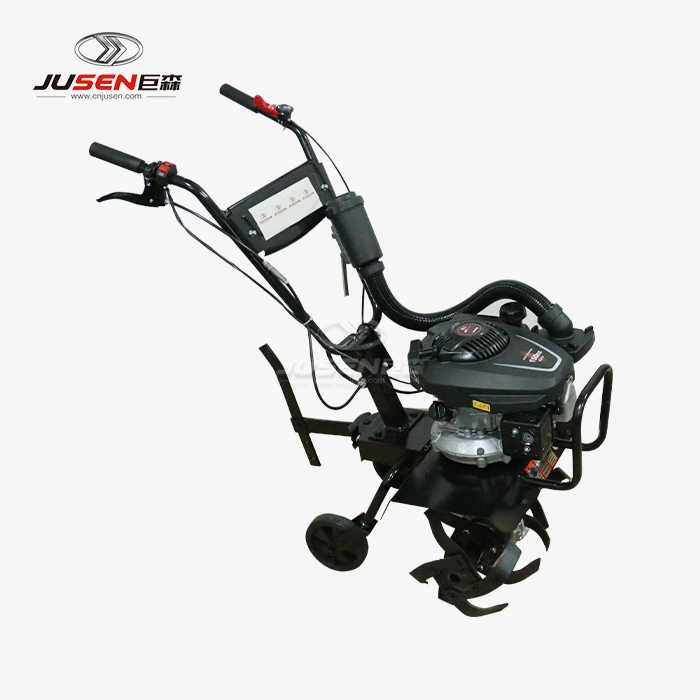 VIEW MORE4-Stroke mini rotary tiller cultivator
 VIEW MOREElectric Pruning Shears Cordless
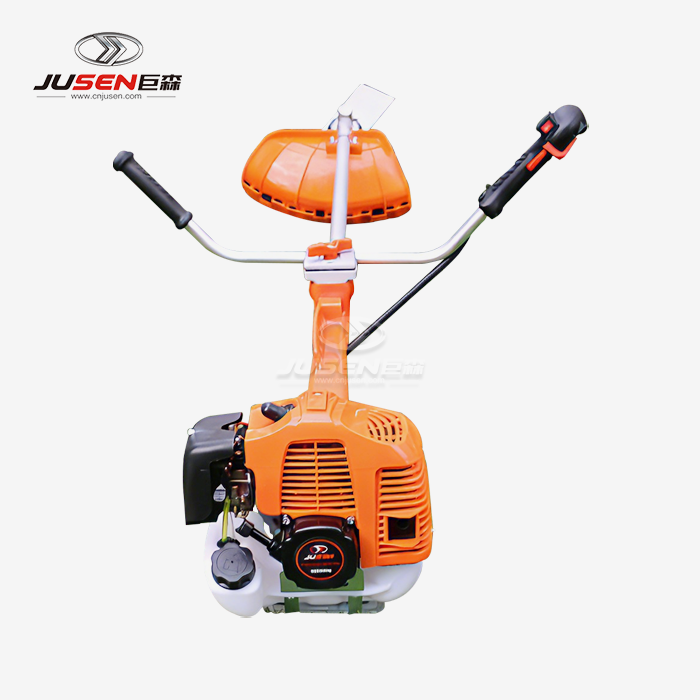 VIEW MORE72cc 2-Stroke Petrol Strimmer Brush Cutter
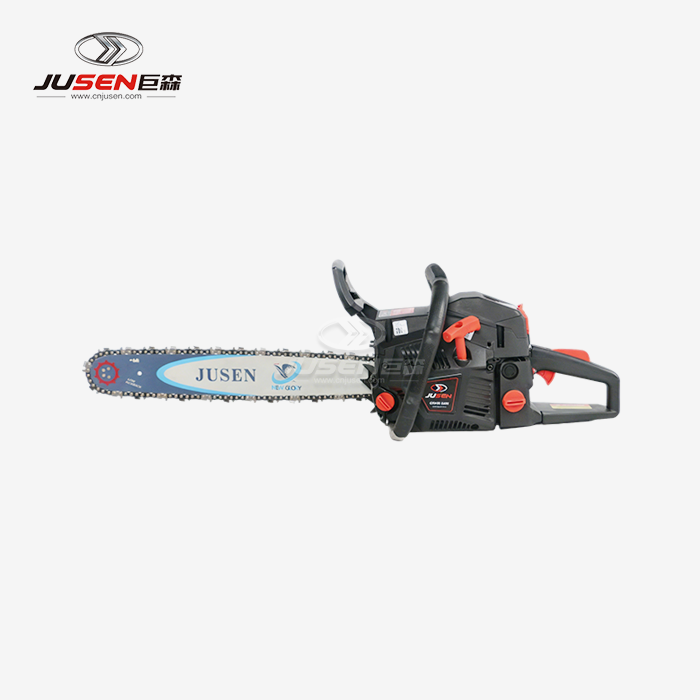 VIEW MORE58cc 2-Stroke Gas Chainsaw
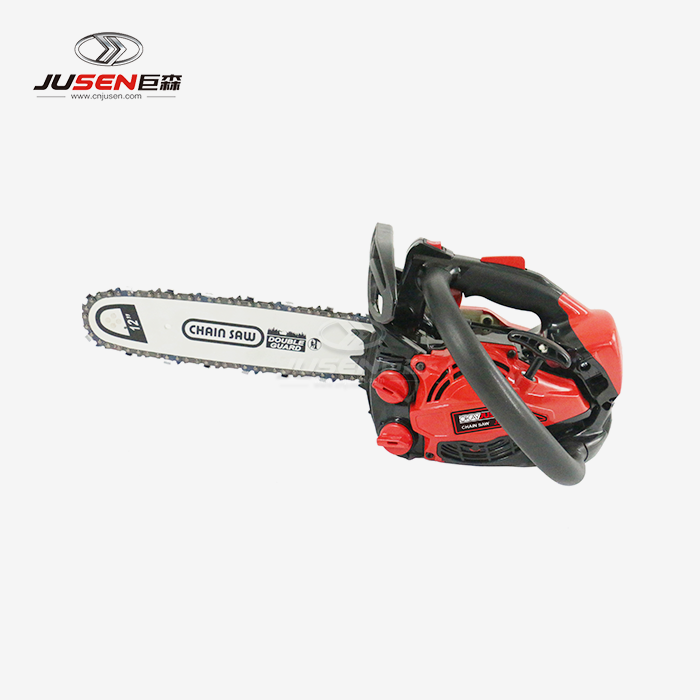 VIEW MORESmall Lightweight Gas Chainsaw